Česká republika
 Deutschland
 Österreich
 United Kingdom
 Suomi
 France
 Magyarország
 Italia
 Polska
 România
 Україна
 Europe

Hardtack: The Military Biscuit That Lasts for Years

Hardtack is a simple, extremely hard biscuit made from flour, water and salt. For centuries, it was a staple food for soldiers and sailors who needed provisions that could survive long journeys without refrigeration. Its very low moisture content helps prevent spoilage, allowing it to last for years when properly prepared and stored. Today, hardtack remains a useful option for emergency food supplies and survival kits. You can make it at home with just a few ingredients or buy it ready-made.
TL;DR
- Hardtack is an unleavened biscuit made from flour, water and salt, baked until almost completely dry.
- It was known as ship's biscuit, sea biscuit or army biscuit and fed sailors and soldiers for centuries.
- Stored dry and sealed, traditional hardtack can stay edible for years.
- Modern military biscuits (e.g. British Biscuits Brown, German Hartkeks, Polish Piast SU) come in sealed packs, are clearly labelled and easier to eat.
- Keep biscuits in a cool, dry place, rotate stock by best-before date and check packs for damage.
- Military biscuits are a practical bread alternative for camping and emergency food supplies, but should be part of a varied diet.
What Is Hardtack?
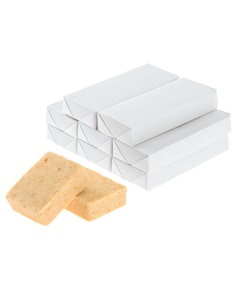
Hardtack (also spelled hard tack) is a traditional type of unleavened bread made from flour, water and sometimes salt. Unlike ordinary bread, it contains no yeast, added fat or sugar. The dough is rolled out, cut into squares or rectangles, pierced with holes and baked thoroughly, sometimes twice, to remove as much moisture as possible. The resulting hardtack biscuits, also known as hard tack biscuits, are extremely hard and dry, allowing them to remain edible for years when stored properly.
Are saltine crackers like hardtack? Although they may look similar, there are important differences. Saltine crackers typically contain fat and leavening agents, which give them a lighter, crispier texture. Hardtack is much denser, harder and designed for long-term storage rather than everyday snacking.
Historically, hardtack bread was widely used by sailors and soldiers because it could withstand long journeys without refrigeration. It became known by several names, including ship's biscuit, sea biscuit and army biscuit. A related, generally less hard version called pilot bread is still available commercially, particularly in Alaska.





From Ship's Biscuit to Army Rations
For centuries, ship's biscuits were an essential part of the Royal Navy's food supplies. Made to withstand long voyages without refrigeration, these hard, dry biscuits could be produced in large quantities and stored for months. By the 18th century, British sailors typically received around a pound (450 g) of biscuit a day, alongside preserved meat and other provisions. Samuel Pepys, who helped improve naval food supplies during the 17th century, played an important role in establishing standards for sailors' rations.
However, the biscuits were not without their problems. Although they kept well when stored in dry conditions, damp shipboard stores could encourage mould and attract pests. Weevils and other insects sometimes infested the biscuits, while their exceptionally hard texture made them difficult to eat. Sailors often softened them in soup or broth before consuming them.
Hardtack later became particularly well known during the American Civil War (1861–1865). Union soldiers carried square hardtack biscuits as a regular part of their rations. They gave them memorable nicknames such as tooth dullers, sheet-iron crackers and worm castles, referring to their hardness and occasional insect infestations. Soldiers commonly soaked the biscuits in coffee, crumbled them into stews or softened and fried them in fat.
Hard ration biscuits also remained part of British military supplies well into the 20th century, including during the First World War, when they provided soldiers with a durable alternative to fresh bread.
Hardtack Today: Military Biscuits in Modern Rations
Although modern armies now rely heavily on ready-to-eat meals and freeze-dried food, military biscuits remain a useful part of field rations. They provide a convenient alternative to fresh bread, require no preparation and can be stored for extended periods.
In the UK, Biscuits Brown have a long history in British Army 24-hour ration packs. These firm, savoury biscuits were traditionally eaten alongside spreads, cheese or other ration components. Modern British ration packs continue to include biscuits and other long-life snacks, although the contents vary between menus.
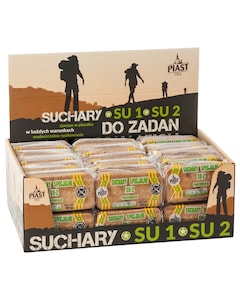
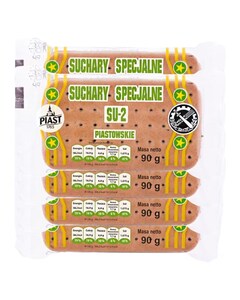
Similar products are used by other European armed forces. Germany's Bundeswehr has long included Hartkeks biscuits in its field rations. Supplied in 125 g packs, they are nicknamed Panzerplatten, meaning "armour plates", because of their hardness. In Poland, Piast SU special biscuits are associated with Polish military food rations and serve as a durable substitute for ordinary bread.
Today's military ration biscuits differ from traditional hardtack in several ways:
- Protective packaging: sealed packs help keep out moisture and contamination, making the biscuits easier to transport and store.
- Clear labelling: modern products provide information about ingredients, allergens, nutritional values and best-before dates.
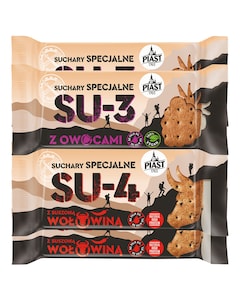
- More variety: unlike traditional hardtack made from flour and water, modern versions may contain fat, sugar, raising agents and additional ingredients. Piast, for example, offers biscuits with caraway seeds, freeze-dried fruit or dried beef.
- Ready to eat: contemporary military biscuits can be eaten straight from the packet. They are generally easier to bite and chew than historical hardtack, although some remain particularly firm.
Modern military biscuits are also popular beyond the armed forces. Their long shelf life and compact packaging make them practical for camping, hiking, survival kits and emergency food supplies.
At MILITARY, you'll find Piast special military biscuits produced by the Polish manufacturer ZPC Piast. Available in several varieties, they offer a modern alternative to traditional hardtack for outdoor activities and long-term food storage.
How Long Does Hardtack Last?
Hardtack shelf life depends largely on its extremely low moisture content. Traditional hardtack is baked until almost completely dry, creating conditions in which mould and bacteria struggle to grow. When properly prepared and stored in a dry, sealed container, it can remain edible for years. However, exposure to moisture, insects or unsuitable storage conditions can significantly shorten its lifespan.
Modern military biscuits are designed for long-term storage, but their shelf life varies depending on the ingredients and packaging. The Piast military biscuits available at MILITARY come in airtight, waterproof packaging that protects them from moisture and allows them to be stored for several years. Always check the best-before date on the individual pack, as this may differ between products and production batches.
How to Store Hardtack at Home
Whether you are stocking up on traditional hardtack or modern military biscuits, proper storage is essential:
- Choose a cool, dry place – a kitchen cupboard or pantry away from direct sunlight and heat sources is ideal. Avoid damp garages, sheds and areas with fluctuating temperatures.
- Keep the packaging sealed – store unopened military biscuits in their original packaging. Homemade hardtack should be completely cool and dry before being placed in an airtight container.
- Rotate your supplies – arrange packs by their best-before dates and use the oldest ones first, replacing them as necessary.
- Check for damage – regularly inspect packaging for tears, moisture or signs of pests. Discard biscuits showing signs of mould or other spoilage.
With the right storage conditions, hardtack and modern military biscuits can provide a practical long shelf life bread alternative for emergency food supplies, camping trips and outdoor adventures.
Why Choose Ready-Made Military Biscuits
If you search for a hardtack recipe, you'll find plenty of ways to make these traditional biscuits at home using little more than flour, water and salt. Baking your own hardtack can be an interesting way to explore military history, but achieving the right level of dryness and ensuring consistent long-term storage can be difficult.
For camping, emergency food supplies or a survival kit, ready-made military biscuits offer a more practical alternative. Here's how they compare:
| Feature | Homemade hardtack | Ready-made military biscuits |
|---|---|---|
| Preparation | Must be baked and thoroughly dried; moisture left inside can cause spoilage. | Produced under controlled manufacturing conditions for consistent results. |
| Packaging | Requires suitable airtight containers or moisture-resistant packaging. | Supplied in sealed, protective packaging suitable for storage and transport. |
| Product information | No standard label unless you prepare one yourself. | Ingredients, allergens, nutritional information and best-before dates provided on the packaging. |
| Shelf life | Difficult to predict without controlled preparation and storage. | Defined by the manufacturer; some products can be stored for several years. |
| Flavour and texture | Traditionally very hard, with a plain, flour-based taste. | Available in different varieties and generally easier to eat straight from the pack. |
Traditional homemade hardtack and modern military biscuits are not exactly the same product. However, both offer a durable alternative to ordinary bread.
If you're looking for hardtack for sale in the UK, ready-made military biscuits are a convenient choice. Products such as Piast special military biscuits, available at MILITARY, are made to consistent specifications, come in protective packaging and are available in several flavours. They're easy to pack in a rucksack or add to your emergency food supplies, without the preparation and storage uncertainties associated with homemade hardtack.
Which Military Biscuit to Choose?
| Product | Pack | Best for |
|---|---|---|
| Piast SU-2 | 90 g, classic with caraway | The traditional army biscuit; goes with tinned meat, soup or cheese |
| Piast SU-3 | 70 g, with freeze-dried fruit | A sweeter snack with tea; suitable for vegans |
| Piast SU-4 | 70 g, with dried beef | The most filling option, with the highest protein content |
| Mixed set | 6 packs, all three flavours | Trying them for the first time – start here |
| Bulk packs | 20–30 packs | A household emergency supply or kit for a group |
Hardtack in Your Emergency Food Supply
Fresh bread has a relatively short shelf life, making it unsuitable for long-term emergency food storage. Military biscuits offer a practical alternative to ordinary bread because they require no refrigeration, cooking or special preparation. These ready-to-eat emergency biscuits can be eaten on their own or paired with tinned meat, fish and other preserved foods.
Their usefulness fits with the UK Government's emergency preparedness advice. On 22 October 2026, the government launched its Be Ready campaign, encouraging households to prepare for at least three days of disruption to essential services. The official guidance recommends keeping non-perishable food that does not require cooking or refrigeration, building up supplies gradually and checking expiry dates every six months.
A well-planned emergency food supply should include different types of long-life food rather than relying on biscuits alone:
- Military biscuits: a compact, ready-to-eat alternative to bread that can be stored for extended periods.
- Tinned food: meat, fish, beans and vegetables that provide variety and can often be eaten without heating.
- Freeze-dried meals: lightweight, long-lasting meals that can provide a more substantial option when safe water is available for preparation. Find out more in our guide to freeze-dried food.
For anyone looking for long life bread alternatives, military biscuits are a convenient addition to a household emergency store. However, they should form part of a varied food supply that provides enough energy and essential nutrients for everyone in the household.
For a complete list of recommended supplies, read our Emergency Kit UK guide. You can also explore the long life food range at MILITARY.
Hardtack – Frequently Asked Questions
Is hardtack healthy?
Hardtack is primarily a source of energy rather than a nutritionally complete food. Modern Piast military biscuits provide approximately 370–405 kcal per 100 g, depending on the variety, mainly from carbohydrates. The dried beef version contains around 11 g of protein per 100 g.
These biscuits are useful for outdoor activities and emergency food supplies, but they should be eaten alongside other foods as part of a balanced diet. Piast biscuits contain gluten, and other allergens vary by product, so always check the packaging.
Are saltine crackers like hardtack?
Saltine crackers are similar in appearance to hardtack, but they have a different texture and recipe. Saltines are thin, crisp American-style crackers that typically contain fat and raising agents.
Traditional hardtack is much denser and harder, usually made from flour, water and salt without added fat or raising agents. This simple recipe and its very low moisture content make it suitable for long-term storage.
Is hardtack the same as ship's biscuit?
Yes. Traditional hardtack was commonly known as ship's biscuit or sea biscuit because it was used to feed sailors during long voyages. Similar biscuits supplied to soldiers were often called army biscuits.
Pilot bread is a closely related product, although it is generally lighter and easier to eat than traditional hardtack.
Where can I buy hardtack in the UK?
You can buy ready-made military biscuits from the rusks and military breads category at MILITARY, with delivery across the UK. Our range includes Piast special military biscuits in different flavours, mixed packs and larger multipacks.
They are a convenient alternative to homemade hardtack for camping, hiking and emergency food supplies.