 Česká republika
  Deutschland
  United Kingdom
  Suomi
Suomi  France
  Magyarország
  Italia
  Polska
  România
  Україна
  Europe
Running gear and accessories: a guide to gadgets that actually help
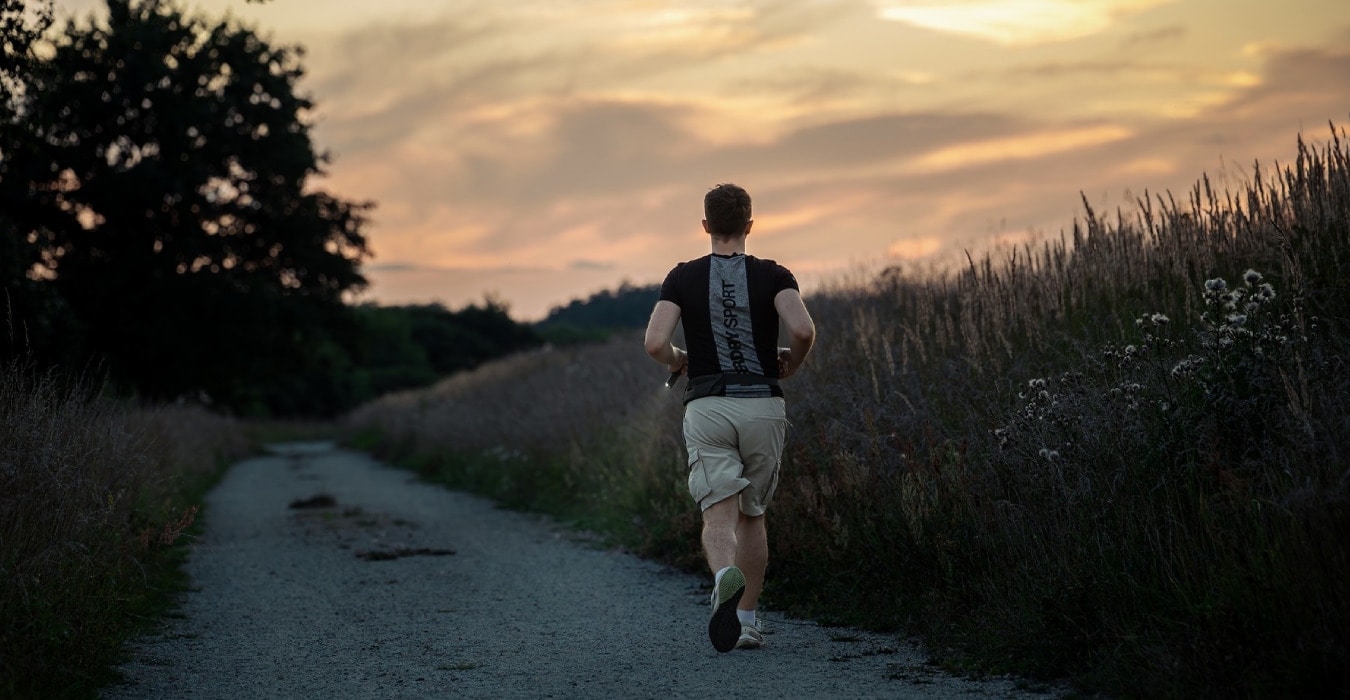
To start running, comfortable shoes and weather-appropriate clothing are enough. Over time, however, certain pieces of running gear make a genuine difference to comfort or safety. This includes running after dark, longer routes without access to water, running in rain, in winter, or on forest and fell trails.
In this guide we've gathered the most useful gadgets and running accessories — from headlamps and running belts, through water bottles and hydration bladders, to clothing, sports glasses and smaller kit. We also suggest how to match your running gear to the type of training and conditions, and which products make good gift ideas for a runner.
The most useful running accessories
Not every runner needs the same kit. Someone doing a 5 km loop around a well-lit neighbourhood has different needs than someone who regularly covers 15 km or more in the forest, on the South Downs, or across the fells. Several categories of running accessories, however, turn out to be useful in most situations.
Headlamp for running
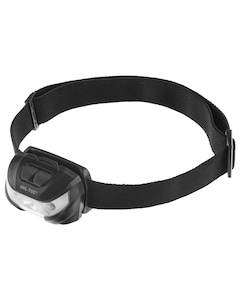
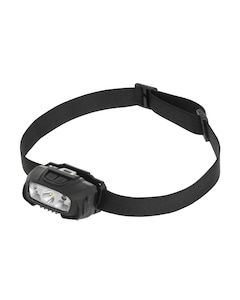
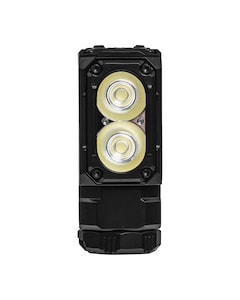
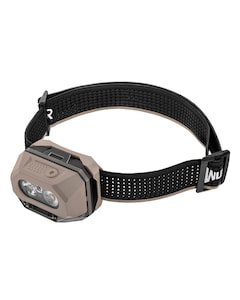
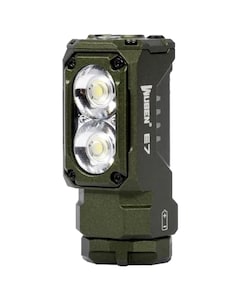
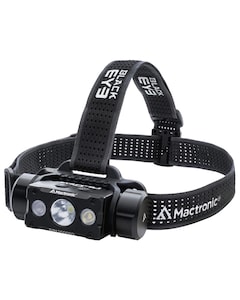
A headlamp for running is one of the most practical pieces of kit for anyone who heads out early in the morning, in the evening, or away from lit streets. It lets you scan the path ahead without holding a torch in your hand — making it easier to spot roots, stones, uneven ground, and puddles. When choosing one, the maximum lumen rating is not the only thing that matters:
- Weight — a heavy headlamp can bounce and shift on your head at pace,
- Secure fit — the strap should hold the lamp firmly even when running fast,
- Beam pattern — a wide beam helps you read your surroundings; a focused beam lets you see further,
- Runtime — should comfortably cover the length of your session with a reasonable margin,
- Water resistance — important for running in rain, which in the UK is rarely optional.

Sports watch
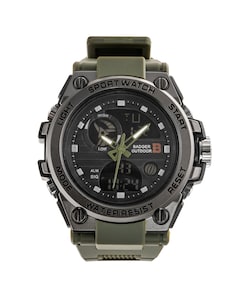
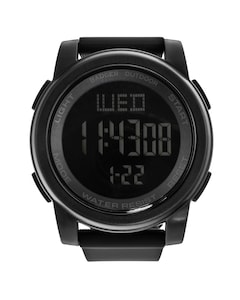
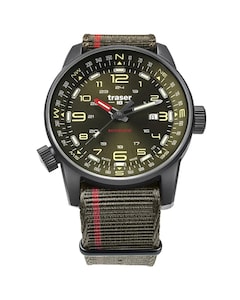
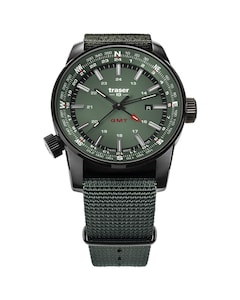
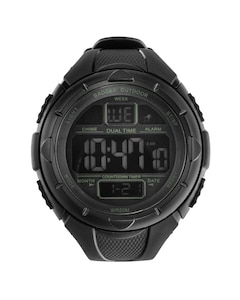
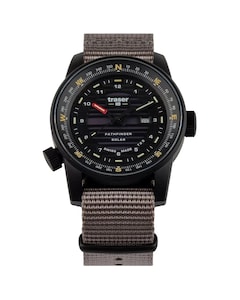
A sports watch is most useful when you want to track your training without constantly reaching for your phone. It lets you check your pace, distance, running time or heart rate — and on more advanced models, record a GPS route and analyse training load.
For a beginner it is not essential, but with regular training it makes it much easier to compare results and hold a target pace. On trails and in the hills, navigation functions and a long battery life can be a significant advantage — particularly in areas where mobile signal is unreliable.


Water bottle, hydration bladder and running backpack
On a short run in mild temperatures, extra water is not always necessary. As your distance increases, the temperature rises, or you venture further from taps and cafés, carrying water becomes more important.
Running bottle — soft or rigid?
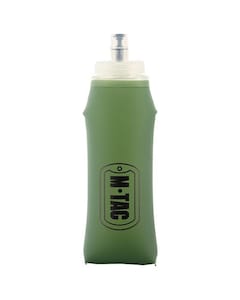
A classic running bottle suits shorter routes well, particularly up to about 10 km in moderate temperatures. Models designed for runners have an ergonomic shape and a bite-valve mouthpiece that lets you drink without unscrewing a cap. The most versatile capacity is 250–500 ml.
An alternative is a soft flask. Soft flasks are lightweight, easy to stow in a vest pocket or running belt, and collapse down to almost nothing once empty. Their weakness is durability — with frequent use, choose models from established manufacturers.


Running hydration bladder — when is it worth using?
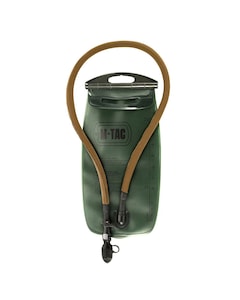
A hydration bladder sits inside a running backpack or vest and has a drinking tube that lets you sip without stopping or removing the reservoir. This is particularly convenient on trail runs, where stopping breaks your rhythm — and on long fell or mountain routes where you may be far from any water source.
The most common capacities are 1.5, 2 and 3 litres. For longer runs in warm weather, 1.5–2 litres is usually enough if you can refill along the way. On mountain routes or trails with few water points — common across the Peak District, Lake District, and Scottish Highlands — a 2–3 litre bladder may be the safer choice. Look for a BPA-free reservoir that does not leave an aftertaste.


Running backpack — for longer routes and more kit
A running backpack earns its place on longer training runs, trail races, and events where you need to carry more water and extra gear. Lightweight, closely fitted to the body, and designed not to move or bounce at pace, a good running backpack can hold a hydration bladder, soft flasks, a phone, keys, energy gels, or an additional layer.
When choosing one, consider capacity, stability at speed, adjustability, and how easily you can reach pockets and bottles on the move. For short runs a small, light model is sufficient; for longer outings a larger running backpack with a hydration bladder compartment and extra storage will serve better. A running hydration vest is a popular alternative — lower profile, sits closer to the body, and typically features front-mounted soft flask pockets for quick access to fluids without removing the pack.
Clothing and accessories for different conditions
The key with running gear clothing is matching it to the temperature, wind, rain, and training intensity. During a run your body warms up quickly — it is generally better to dress slightly lighter than you would for a walk. The perceived temperature during effort can be several degrees higher than it feels before you start.
The foundation is clothing in materials that wick moisture and dry quickly. In cold weather, the layering system works well: a light base layer, a mid-layer if needed, and a thin windproof or waterproof shell. Multiple thin layers are far easier to regulate than one thick one — and in British weather, having a layer you can remove and stuff into a pocket is rarely a waste.
A few small items also make a big difference to comfort:
- Gloves — particularly useful on chilly mornings and through autumn and winter training.
- Running hat or headband — keeps your head and ears warm without overheating.
- Buff or neck gaiter — versatile protection for neck and face in cold or wind; standard kit for fell running.
- Running socks — well-fitted, breathable, and designed to reduce the risk of blisters and chafing.
- Reflective elements — essential when running after dark or in low visibility. In the UK, this means most of autumn and winter.
There is no need to buy a complete seasonal wardrobe at once. Build it up gradually, starting with whatever you actually notice yourself missing during your own training.
Sports glasses and smaller accessories
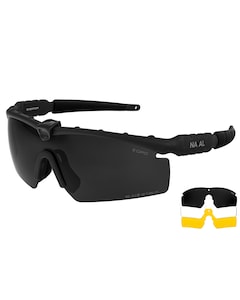
Sunglasses are useful beyond just bright sunshine. On off-road running they also reduce exposure to wind, dust, and insects — all relevant on UK trails in spring and summer. For running, the best models are lightweight and sit securely on the face: during dynamic movement glasses should not slip down the nose or need constant adjustment.
On bright days, UV protection is the priority. For woodland running, dusk runs, or overcast conditions, light or clear lenses give noticeably better visibility than tinted ones.


Other small but useful running accessories include:
- a safety whistle for trail and fell routes — lightweight and may be required kit for some events,
- a small first aid kit for longer outings,
- tick and insect repellent — increasingly relevant on UK trails through spring and summer,
- a small power bank for multi-hour routes,
- a high-energy snack — gels, bars, or dried fruit.
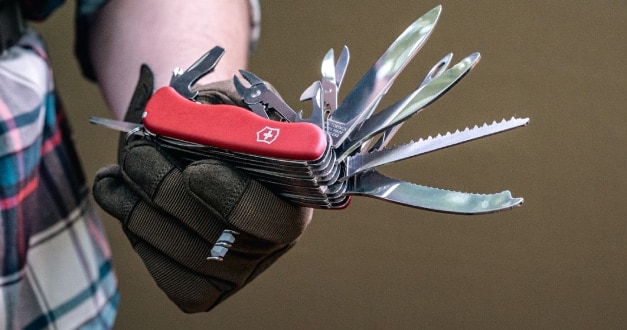
A multitool can be useful mainly on long trail runs, ultramarathons, or when combining running with other outdoor activities. For a standard city or park training session, its extra weight rarely justifies the addition.
How to choose running gear for your type of training
There is no single kit list that works for every runner. What you need depends on where you run, how far, and what conditions you regularly encounter. A road runner in a city has different needs from a trail runner, and both differ from someone competing in a mountain ultramarathon.
Road running — pavements, parks, lit routes
In town, safety and comfort take priority. Reflective elements, a headlamp for running, a water bottle, and a GPS watch cover most bases. On shorter, familiar routes you do not need advanced navigation. A phone armband or a small running belt can also be useful.
Trail running — forest, paths, hills and mountains
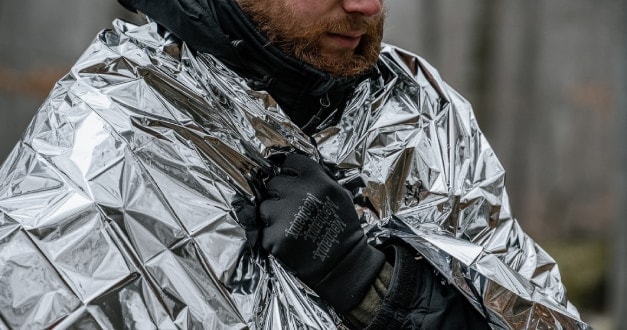
For trail running gear, adaptability to changing conditions is the priority. The essentials are a headlamp for running, a hydration system, layered clothing, and a running backpack or vest. On more technical routes, protective glasses and a waterproof jacket are worth adding. For longer outings, a basic first aid kit should always be in the pack — and for mountain routes, a foil emergency blanket adds minimal weight for meaningful security.
Ultramarathons and mountain running
On very long distances, low weight and total reliability matter most. A running hydration vest with water capacity, a headlamp with a spare battery or power bank, a waterproof jacket, an emergency blanket, a first aid kit, and a supply of food and electrolytes are all standard kit.
Winter running
In winter, protection from cold, wind, and slippery surfaces is critical. A headlamp for running is essential given how early it gets dark; gloves, a hat, thermal base layers, and a windproof shell are the clothing foundation. For icy paths and pavements, anti-slip shoe spikes are worth the investment — Yak Trax and similar models are popular in the UK. For longer winter runs, a hydration system with an insulated tube will prevent the drinking hose from freezing.
How to choose your running accessories: step by step
- Decide where you run. Road, park, forest, hills, or a mix — the terrain type determines your baseline kit needs.
- Think about what you are actually missing. Hydration, lighting, warmth, or somewhere to carry your phone and keys? Start with a real, specific gap.
- Set your priorities. Safety and hydration first; comfort and additional features second.
- Test new kit before an event. Break in a new running backpack, headlamp, glasses or socks in training — not during a race or your first long outing.
Running gear and accessories at MILITARY
Well-chosen running gear does not mean loading yourself up with accessories. For a short training run, a headlamp for running and a small waist pack may be all you need. For a longer trail outing, you will also want a hydration system, clothing that covers a change in weather, and basic safety kit.
In the running accessories category at MILITARY you will find headlamps, running backpacks and waist packs, bottles and hydration bladders, sports clothing, glasses, trail shoes, and small accessories for training. The best approach is to start with the kit that answers a specific need, then add further items as you run further, change terrain, and train in more demanding conditions.