 Česká republika
 Deutschland
 Österreich
 United Kingdom
 Suomi
 France
 Magyarország
 Italia
 Polska
 România
 Україна
 Europe

Outdoors and adventure
-

The UK Government’s official Be Ready campaign advises every household to be prepared to manage on its own for 3 days during an emergency such as a power cut, water outage, flooding or extreme weather. Being self-sufficient for 72 hours means emergency responders can focus on the people who need help most urgently. The government’s checklist covers seven key areas: water, food, hygiene, light and warmth, communication, money and documents, and medical supplies – plus extras for babies and pets where needed.
See more -
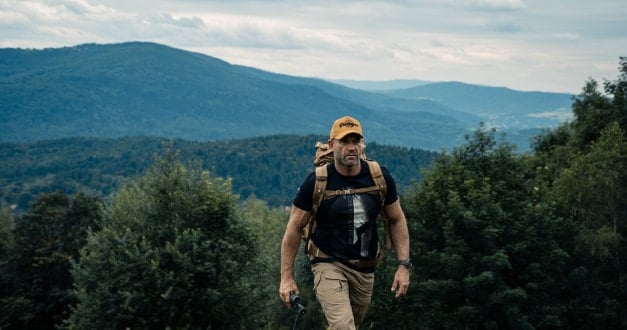
Discover essential mountain safety rules to follow before you hit the trail. Learn how to plan your route, choose the right gear and stay safe during your hike. Perfect for hikers, trekkers and outdoor enthusiasts who want to avoid risks in the mountains.
See more -
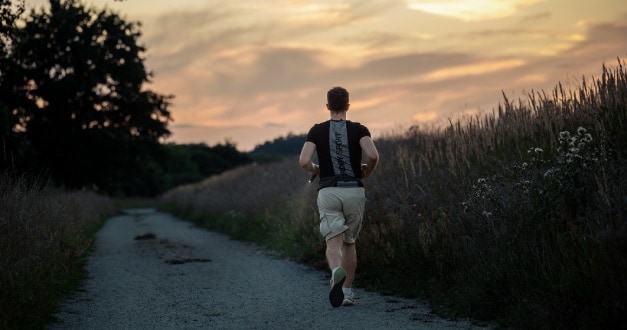
Explore an overview of running gadgets that are genuinely worth owning. From GPS trackers and safety lights to hydration and comfort gear, learn which accessories can actually improve your runs.
See more -
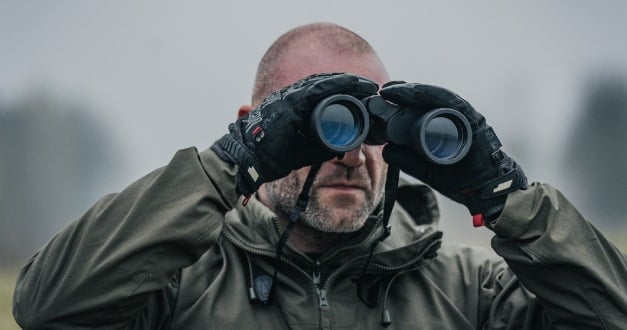
Choosing binoculars starts with defining how you will use them – for hunting, tactical operations, hiking or general observation. Learn what magnification, lens diameter and optical parameters really matter so you can confidently pick the right binoculars for your outdoor and military needs.
See more -
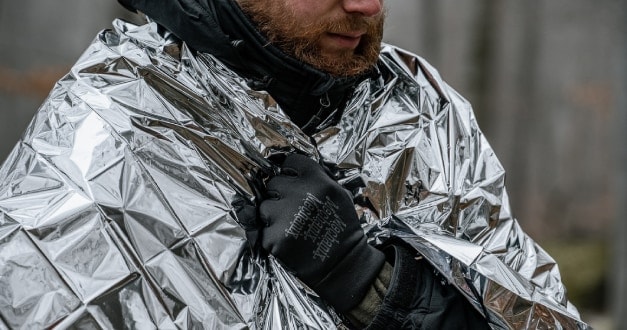
Discover how a thermal blanket actually works to retain body heat in emergencies. Learn correct ways to use it in survival, outdoor and tactical situations to stay protected from cold, wind and moisture.
See more -
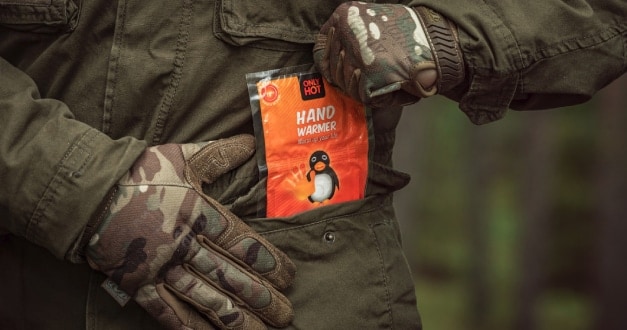
Learn how different types of hand warmers work and which models are best for outdoor, tactical and survival use. Understand their operating principles and get practical tips for safe, effective hand warmer use in cold conditions.
See more -
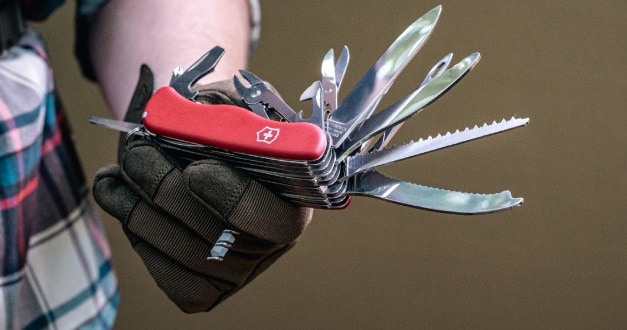
Learn how to choose a truly reliable pocket knife for everyday carry, outdoor trips or tactical use. Our guide and ranking present the best folding knives for demanding users so you can pick a durable, safe and ergonomic model that fits your needs.
See more -
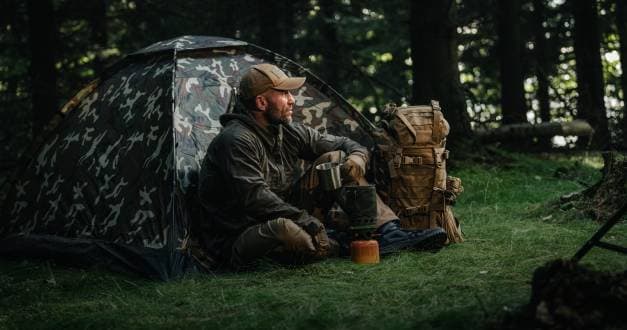
Pitching a small tent for a night on open country, away from any official campsite, sits in very different legal territory depending on where in the UK you are. In one country it is a clear, statutory right. Almost everywhere else it technically requires the landowner's permission — with one well-publicised exception that was settled by the UK's Supreme Court only in 2025. Here is how the law actually works, nation by nation, and what it means in practice for anyone planning a night under the stars.
See more -
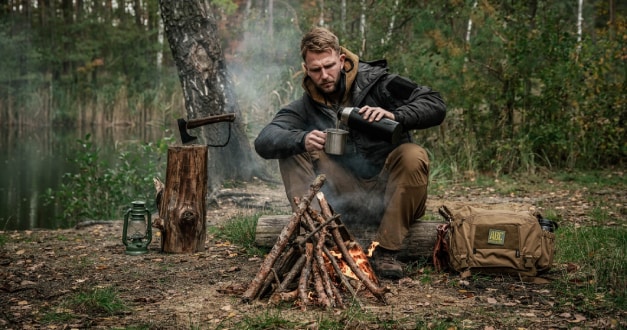
In this guide, we explain step by step where you are allowed to light a campfire, how to prepare a fire pit, what type of wood to choose, and how to go about lighting a fire in the rain, wind or in winter. We also provide tips on what mistakes to avoid and what equipment is useful for a trip into the wilderness.
See more -
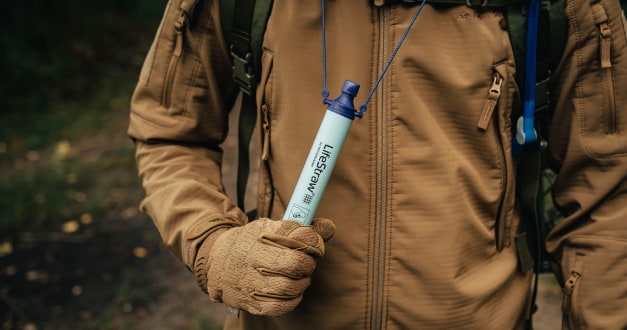
In this guide, we present the most effective methods of filtering and purifying water in the field and explain when it is worth using tourist filters, purification tablets or other purification methods.
See more -
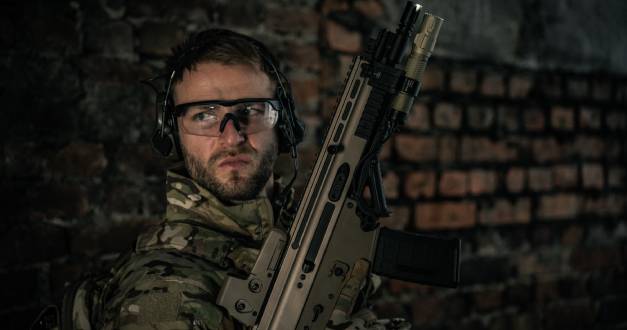
Military operations, law enforcement, range training, airsoft — in every one of these environments there is a real and specific risk of eye injury from fragments, ricochets, wind-driven debris or BB projectiles. Standard sunglasses handle none of it — they weren't designed to. Ballistic glasses are. This guide explains what sets them apart from ordinary eyewear, which standards actually guarantee protection, how to match the lens tint to lighting conditions, and who genuinely needs them.
See more -
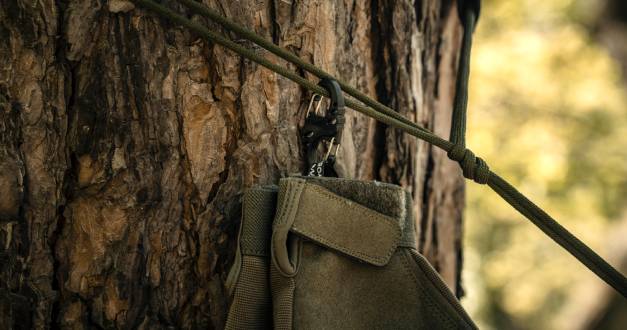
Few pieces of kit pack as much utility into as little weight as paracord. Originally engineered for a single purpose — connecting parachute canopies to their harnesses in World War II — it was quickly repurposed by soldiers who found hundreds of additional uses for it before they even left the drop zone. Today it shows up in survival and bushcraft kits, emergency packs, military loadouts, and everyday carry. This guide covers what paracord actually is, how its construction gives it such remarkable versatility, the different types available, and the most practical ways to use it in the field.
See more -
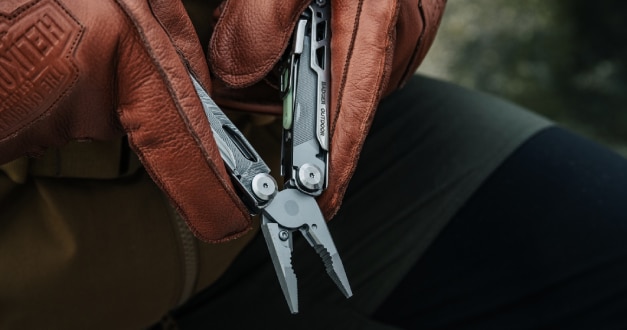
Read the article and find out when it's worth choosing a multitool and when a pocket knife is the better choice. Learn in which situations these tools perform best and adapt the choice to your needs.
See more -
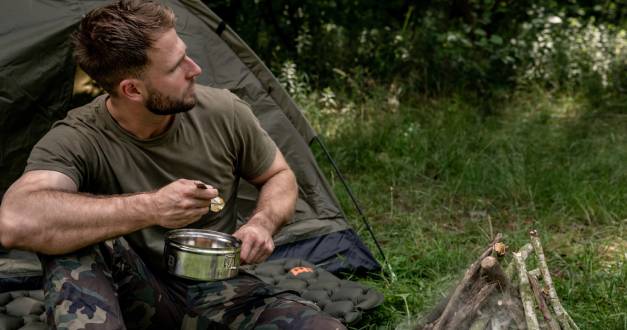
A great camping trip lives or dies by what you packed — and what you forgot. One missing tent peg, a sleeping bag that's too thin for a chilly British night, or a flat torch battery can turn an adventure into a long, damp ordeal. This camping essentials checklist walks you through everything you need, grouped into clear categories so you can tick items off as you pack. Whether it's your first overnighter, a family weekend or a festival pitch, use it to leave home fully prepared.
See more -
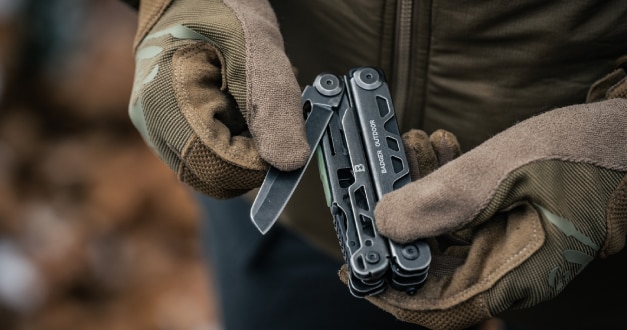
In this guide, we explain what exactly a multitool is, how it is built, what types you can find on the market, and what to look for when choosing one, whether you're looking for a compact EDC tool for the city, a versatile model for expeditions, or specialized equipment for services.
See more -
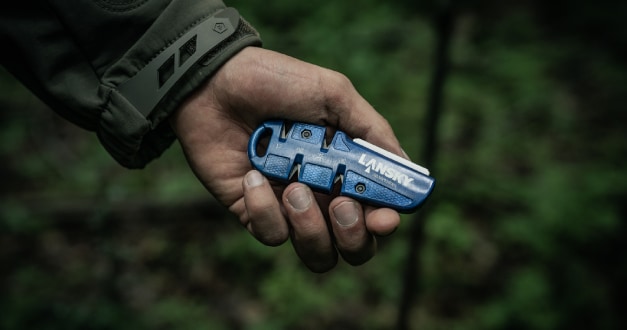
How to sharpen a knife to improve its sharpness while not damaging the cutting edge? Many people using kitchen knives, pocket knives, and other types of blades ask themselves this question. Choosing a sharpener alone is not enough, as technique, pressure control, and the correct sharpening angle are equally important. Well-chosen accessories allow for quick sharpening, but if used incorrectly, they can round the edge or remove too much material.
See more -
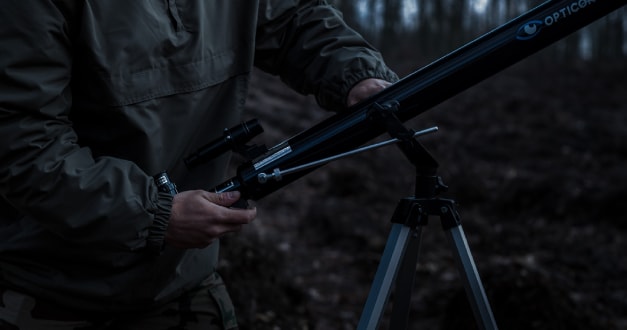
Many people reach for a telescope thinking of seeing the craters of the Moon, the rings of Saturn, or the brightest objects in the sky. Such observations quickly draw you in and make you want to discover more. The problem usually arises when choosing the equipment. Beginners have to face a large number of models, different types of construction, and parameters that at first glance don't say much to a person just starting their adventure with sky observation.
See more -
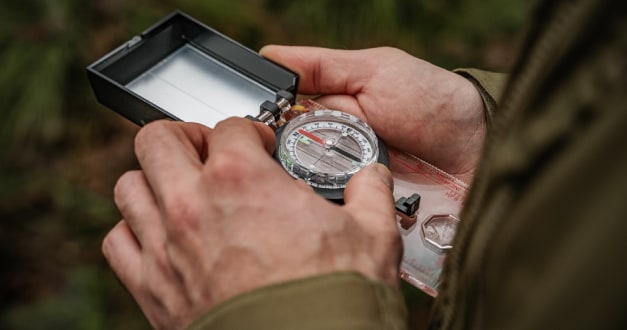
The compass remains one of the basic tools for orientation in the field. Unlike GPS and smartphones, it does not require power, works in virtually any conditions, and allows you to determine the direction of march even during electronic failures or lack of network coverage. For this reason, it is widely used in tourism, survival, bushcraft, and military activities.
See more -
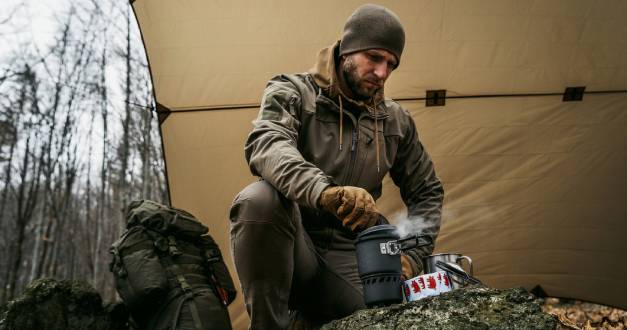
In recent years, more and more people are asking themselves how to secure their homes and families in case of unforeseen, crisis situations. Prepping is no longer a niche hobby or preparation solely for extremely dangerous scenarios, but also a practical approach to everyday safety. The word itself comes from the English to prepare, meaning "to prepare," and a prepper is someone who plans ahead, stockpiles supplies, and learns in advance how to act in situations when access to electricity, water, heating, stores, or communication is limited.
See more -
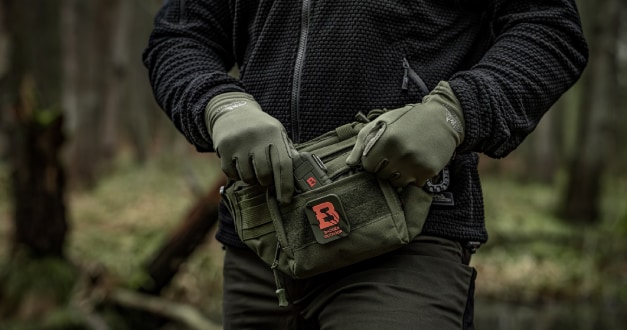
EDC is an abbreviation of the English term Everyday Carry. In practice, these are items you always have with you — in your pocket, backpack, bag, or on your belt — to facilitate daily functioning and be prepared for minor problems and unforeseen situations. In this article, we explain exactly what EDC is and what elements most frequently make up its composition.
See more
