Česká republika
  Deutschland
  Österreich
  United Kingdom
  Suomi
Suomi  France
  Magyarország
  Italia
  Polska
  România
  Україна
  Europe
Mountain Hiking Safety: Essential Tips for Gear, Winter & Family Hikes

A successful mountain hiking trip starts well before you set foot on the trail. Choosing the right route, checking current conditions and packing the correct gear are just as important as your fitness level. Mountain safety depends not only on what you bring with you, but also on the decisions you make along the way — including choosing to turn back early when conditions deteriorate. In this guide we cover how to prepare for unpredictable mountain weather, how winter hiking differs from a summer day out, and what to keep in mind when hiking with children.
Essential mountain hiking safety tips – what to check and pack before you go
Start with a route that suits the abilities of every person in your group. Distance alone is not a reliable gauge of difficulty — also check the total elevation gain and, where possible, the type of terrain underfoot. Plan the complete outing, including the descent and rest stops. Keep in mind that trail colour markings do not indicate difficulty level, so never choose a route purely on the basis of the colour shown on the map.
Before you leave, check the weather forecast for the specific mountain area, not just the nearest town. Pay attention to wind speed, precipitation, temperature and the likelihood of thunderstorms. In the UK, the Met Office provides detailed mountain weather forecasts for major upland areas, including Snowdonia, the Lake District, the Scottish Highlands and the Peak District. Always supplement general forecasts with any local mountain rescue or national park advisories. If dangerous conditions are forecast, postpone the trip rather than hoping the weather will be kinder than predicted.
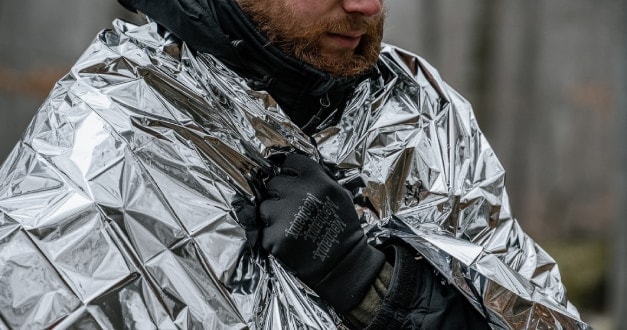
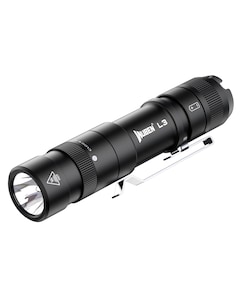
Tell someone you trust exactly where you are going and when you expect to be back. Share the full route, not just the name of the summit. If your plans change on the day, update them. Make sure your gear matches the demands of the trip — a short valley walk and a multi-hour mountain hiking route in challenging terrain require very different preparations. The foundations are hiking boots suited to the terrain and a trekking backpack large enough to carry an extra layer, a waterproof jacket, water and food. Never leave your first aid kit, emergency foil blanket and head torch behind just because you plan to be back before dark. Delays or unplanned stops happen; your gear should account for a less than ideal turn of events.
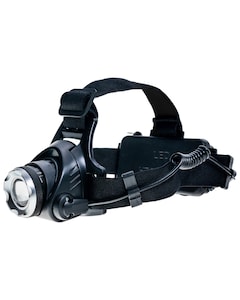

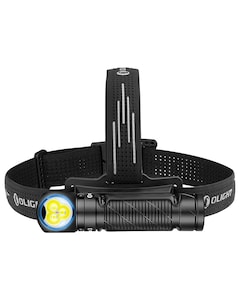

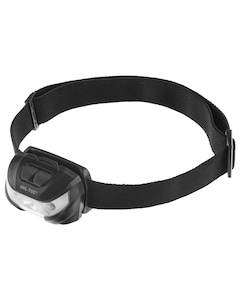

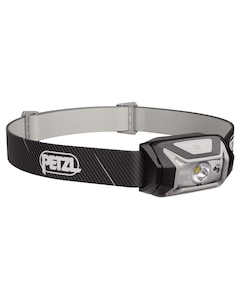


Charge your phone fully before you leave and download an offline hiking map — apps such as OS Maps, Komoot or AllTrails work well without a signal in the hills. Take a power bank as well. On the trail, compare your actual pace against your plan at regular intervals. Watch the weather and keep an eye on how your companions are feeling; never leave slower members of the group behind and resist the temptation to shortcut through unfamiliar terrain. If you lose your bearings, stop and locate yourself before moving on. Worsening conditions, a significant time deficit or increasing fatigue are all reasons to adapt your plan — not reasons to push harder.

Winter mountain hiking safety – clothing, gear and route planning
The same routes can look and feel completely different in winter. Snow can bury trail markers and change the line of safe passage; breaking a new trail through untracked snow costs extra time and energy. Do not follow other people's footprints without thought — whoever made them could equally have been heading in the wrong direction. Plan shorter outings for winter mountain hiking and build in a generous time buffer for the return.
Gear selection should be driven by the conditions on your specific route, not just the height of the summit or how popular the path is. Microspikes and crampons serve different purposes. Microspikes improve grip on lower-angle icy paths but are no substitute for crampons on steep ground where a slip can have serious consequences. On more demanding winter routes — particularly in the Scottish Highlands, Snowdonia or any alpine environment — properly fitted crampons, an ice axe and a helmet may be essential. Owning the gear is only half of it; you must also know how to use it correctly.

In avalanche terrain — relevant across much of the Scottish Highlands and any alpine or high mountain environment — you must check the current avalanche forecast before setting out and read the full bulletin, not just the danger rating number. A low rating does not mean the risk is zero. Travelling in avalanche terrain requires knowledge of how to read snow conditions and readiness to carry out a companion rescue. Every member of the group should carry an avalanche transceiver (beacon), probe and shovel, and must practise using all three. If you lack that experience, choose a route that avoids avalanche terrain altogether.
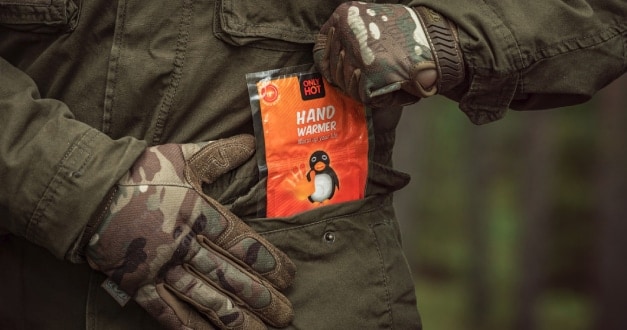
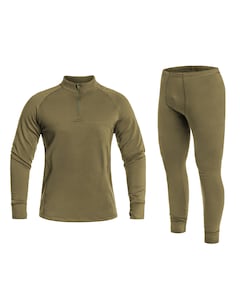
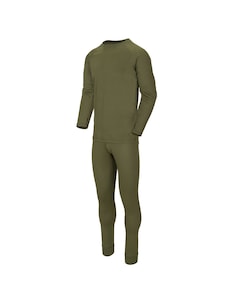
Clothing preparation is equally important. In winter, spare gloves and a warm hat, eye protection against glare off snow, an extra insulating layer and a hot drink in a vacuum flask all earn their place. Cold, wind and moisture reduce both comfort and walking speed rapidly, so dress in layers that allow you to regulate your temperature whether you are moving or stopped.




Mountain hiking safety in a thunderstorm – what to do when lightning threatens
If you hear thunder while on a hike, stop your ascent immediately. Mountain storms can build very quickly — particularly in summer in upland areas — and being on a ridge or summit greatly increases your lightning strike risk. Follow these steps:
- Descend from the summit, ridge and any other exposed ground to lower, sheltered terrain as quickly and safely as possible.
- Do not shelter under an isolated tree or close to tall, freestanding objects.
- Stay away from metal fences, chains, streams and open water.
- Seek shelter in a solid building or a vehicle with a metal roof — a tent or open-sided mountain shelter does not provide adequate protection.
- If you cannot reach shelter, adopt a crouched position with feet together, reducing your contact with the ground; do not lie flat.
- In a group, spread out to reduce the risk of multiple people being struck simultaneously.
- Wait at least 30 minutes after the last thunderclap before resuming your hike.
One of the most important mountain hiking safety tips: always check the Met Office forecast and any severe weather warnings before you leave. If storms are likely, plan your timing so you are off ridges and exposed summits well before the highest-risk period — typically midday to mid-afternoon in summer.
Mountain hiking safety with children – planning a family day in the hills
When hiking with children, plan the day around their age, fitness and experience — not the capabilities of the adults. Choose a shorter route with no technically demanding sections and one that allows for an early turnaround if a child tires or the weather closes in. Build in extra breaks and a generous time allowance throughout.
A few essential rules for a safe family hike:
- Match the route to the youngest or least experienced member of the group — avoid exposed ridges, steep ground and anything that would require scrambling or belaying.
- Check the weather forecast and trail conditions — call the day off if thunderstorms, strong winds or a rapid deterioration are forecast.
- Ensure everyone has the right footwear and wears layers — carry a spare layer and waterproof cover for each child in your pack.
- Bring plenty of water and snacks — children feel fatigue and energy dips more quickly than adults.
- Keep children close to the group at all times, especially near steep drops, stream crossings and path junctions.
- Monitor each child's pace, mood and temperature regularly — shivering, overheating or sudden quiet are all signals to rest or turn back.
- Agree a simple "lost" rule in advance — if separated, the child stays exactly where they are, makes noise and waits; they do not try to find the way back alone.
With children in the mountains, always err on the side of ending the day earlier rather than pressing on to meet the original plan. A well-chosen route and an unhurried pace keep everyone safe and, crucially, leave children eager to come back for more.
Mountain hiking safety: frequently asked questions
The essentials for any day's mountain hiking are: sufficient water and food, weather-appropriate clothing in layers, an extra warm layer, a waterproof jacket, a fully charged phone with an offline map, a first aid kit and a head torch. Adjust the list for the season, route length and conditions — in winter add microspikes or crampons, spare gloves and a flask of something hot.
Yes, always. A longer-than-expected section, a weather change, fatigue or an unplanned detour can all push you past sunset. A head torch is light and compact; if you need it, it can make the difference between a safe descent and a dangerous one.
Microspikes are the right choice for lower-angle paths with firm snow or light ice. Full crampons are designed for steep, technical winter terrain and require stiff-soled boots and the skills to use them safely. If the ground calls for crampons and you don't have them — or haven't practised with them — choose a different route.
Pick a short, straightforward route well within the child's ability. Fit them with proper hiking footwear, dress them in layers, bring plenty of water and snacks, and plan frequent stops. Before you set off, agree the golden rule for getting lost: stay put, make noise and wait — do not wander off to look for the group.
In the UK, call 999 (or 112 from a mobile) and ask for Police, who co-ordinate mountain rescue. If you have no voice signal, try sending a text to 999 — register first at emergencysms.net. The free app what3words gives rescuers your precise three-word location even in areas with no named paths. In Scotland, the Mountaineering Scotland website lists all mountain rescue teams by area.
Check the route's total distance and elevation gain together — a short route with big ascent can be far more demanding than a longer, flatter one. Look at trail reports and recent user reviews on apps such as AllTrails or OS Maps to understand current conditions underfoot. For scrambling or winter routes, consult the Scrambles and Winter Climbs grading systems used by the BMC (British Mountaineering Council). When in doubt, choose something easier and build up gradually.
Mountain hiking gear and clothing from MILITARY
Good preparation for any mountain hiking trip starts with the right equipment. The MILITARY range includes outdoor clothing, hiking boots, trekking backpacks, head torches, vacuum flasks, first aid kits and accessories suited to everything from short day walks to multi-day mountain expeditions. When selecting your kit, keep season, total elevation gain and terrain type at the front of your mind — that way you can build a pack list that matches your specific route rather than simply covering the basics.