 Česká republika
  Deutschland
  Austria
  United Kingdom
  Suomi
Suomi  France
  Magyarország
  Italia
  Polska
  România
  Україна
  Europe
Leave No Trace principles — what are they about?

Every hike on forest paths, mountain trails, or wild terrains impacts the existing nature there. Even seemingly innocent actions, like stepping on or picking a plant, collecting small souvenirs from the forest, or loud conversations, can disrupt the environmental balance. Therefore, knowledge of the ethical principles of Leave No Trace, which indicate how to traverse natural areas with respect for the nature surrounding us, is very important.
Leave No Trace is a philosophy of conscious and responsible behavior in the natural environment. It is a set of principles that help tourists, hikers, and campers keep the environment intact and leave no traces or pollution behind. Read our article to learn more about the principles of Leave No Trace.
How to Behave in the Forest – 7 Principles of Leave No Trace
The concept of Leave No Trace originated in the USA in the 1960s as a response to the growing impact of tourism on wild nature areas. During this period, the idea of minimizing human impact on the natural environment began to be developed primarily by American government institutions, such as the U.S. Forest Service and the National Park Service. These institutions initiated the first educational programs aimed at making tourists aware of the importance of keeping nature intact.
With the rise in popularity of hiking, camping, and other forms of outdoor recreation, the negative impact of human presence on the environment became increasingly apparent — issues arose with litter and other pollutants, vegetation degradation, and disturbances to wildlife. The need to protect nature from these effects became more and more obvious.
In response to these challenges, to more effectively coordinate educational efforts and promote principles minimizing human impact on nature, an independent non-profit organization — Leave No Trace Center for Outdoor Ethics — was established in 1994. This organization took on the role of leader in promoting and implementing the seven principles of Leave No Trace, which have become the foundation of conscious and sustainable interaction with nature.
7 Principles of Leave No Trace
Below we will detail each of the seven Leave No Trace principles — explaining what they mean and why it's worthwhile to follow them.
1. Plan your trip well and prepare for different scenarios
Lack of proper preparation for a trip can reduce the comfort and safety of participants and lead to degradation of nature and culturally valuable places. To avoid this, before the trip, it's worth:
- Learning about the regulations and specific rules in force in a given area.
- Preparing for extreme weather conditions, threats, and emergencies.
During planning and the trip itself, it is recommended to:
- Travel in small groups or divide larger ones into smaller ones to limit environmental impact.
- Repack food to minimize waste.
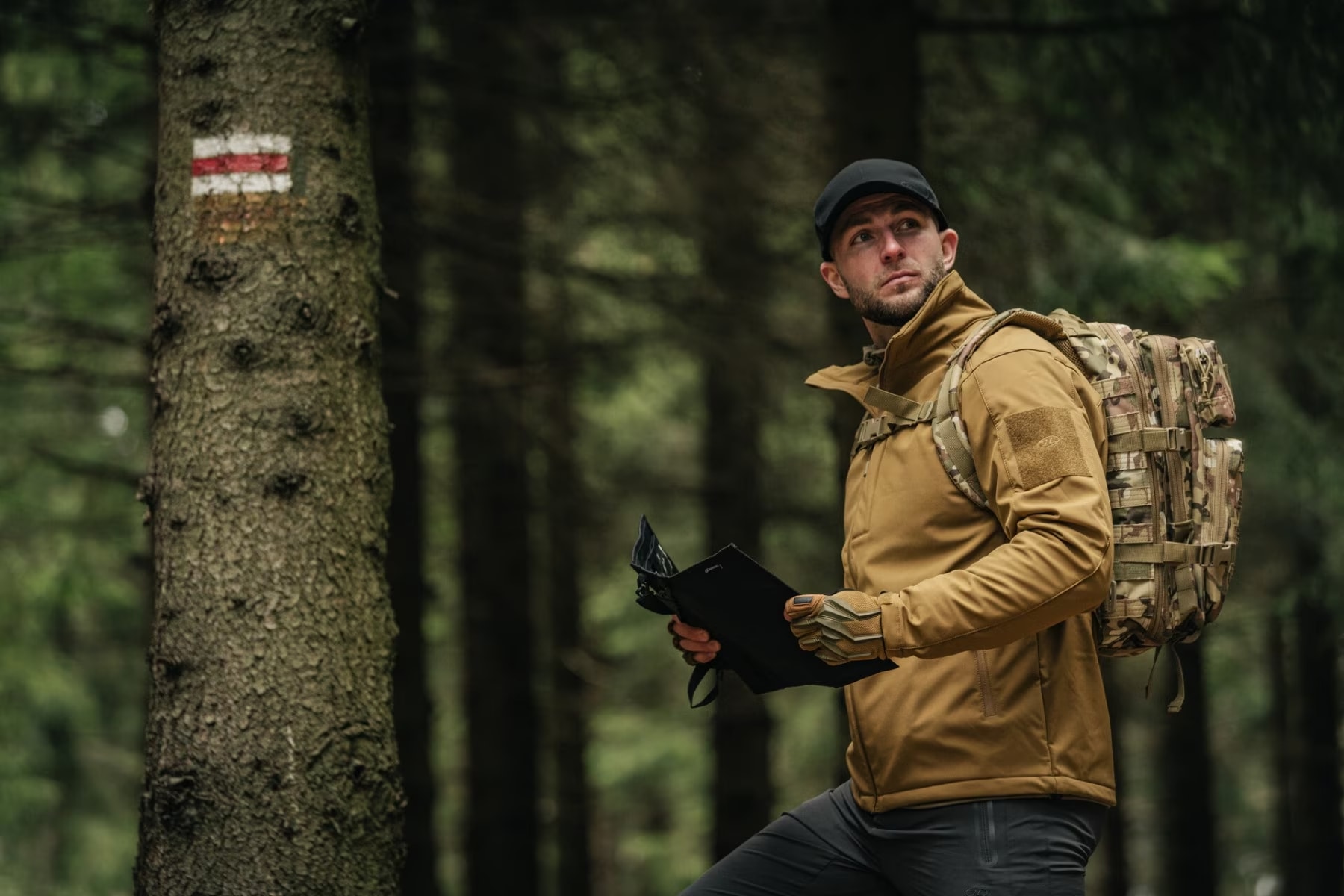
- Use a map and compass instead of marking the route with stones, ribbons, or paint to preserve the natural character of the place.









2. Stay on the trail and camp on durable surfaces
Mountain hiking trails are marked not only to make it easier for tourists but primarily as a way to protect nature. Therefore, one should not deviate from marked paths, and camping should only be done on durable surfaces. It's worth remembering that:
- Durable surfaces are all surfaces resistant to damage and should not be violated by tourists. These include existing trails, designated camping areas, rocks, gravel, dry grasses, and snow.
- To protect riparian areas, camp at least 60 meters from lakes and streams.
- A good campsite is found, not made — you shouldn't modify the area for a camp.
- When moving in a group, keep a distance, which reduces pressure on the soil. In narrow passages, it's best to walk in single file, one after another.
- Spending several nights in one place, it's worth moving the tent slightly each day to avoid overstraining the vegetation underneath.
- Leaving the camp, try to restore the area's original appearance.
3. Pack out your garbage
Do not leave behind any trash that may harm the environment, water, and animals. Remember the following rules:
- Take all your trash, food scraps, and waste away — do not leave them on-site. Burning trash is prohibited as it harms nature.
- For physiological needs, dig small holes. It's worth having a small entrenching tool or shovel with you. After use, cover the hole with earth, then cover with leaves or stones. Take used toilet paper with you in a bag and dispose of it in the trash.
- Wash yourself and your dishes at least 60 meters from water bodies. Pour leftover water on the ground, not directly into rivers, lakes, or streams.






4. Leave what you find
While hiking through natural areas, follow a simple rule: admire, but do not take. Do not take stones, plants, or other natural elements with you. Also, avoid transferring foreign plant and animal species as they can disturb the natural balance of the environment. Take care of trees — do not nail them, hang objects on them, chop them or carve into their bark. Such actions can permanently damage them and increase their susceptibility to diseases.
5. Minimize impact from campfires
One of the most important principles of Leave No Trace is minimizing the impact of campfires on the environment. Although campfires are associated with traditional camping, improperly making them can lead to permanent damage to nature, land degradation, and even dangerous forest fires, which are most often caused by people. Therefore, it's worth remembering a few rules:
- Cook on a camp stove, as it is safer and more environmentally friendly than a traditional campfire. Instead of a fire for lighting, use a flashlight.
- Build a fire only in designated places.
- Keep the flame low and add small, loose twigs that you can break by hand.
- Afterward, thoroughly extinguish the embers and scatter the ashes around — they can serve as a natural fertilizer. If necessary, you can also bury the remains of the fire. If possible, try to mask the site of the fire, for example by covering it with leaves, litter, or earth, not to leave visible traces.







6. Do not approach wildlife – respect their space
When you are in nature, you are a guest in the home of wildlife, so your behavior has a huge impact on their well-being and safety. Irresponsible human actions can cause stress to animals, change their natural behaviors, lead to diseases, and even result in necessary relocations. To prevent this:
- Never approach wildlife, do not follow them, and do not try to touch them — this may cause them stress or aggression.
- Do not feed wildlife, as it disrupts their natural instincts, harms their health, and may make them dependent on humans.
- Do not disturb animals during mating, nesting, feeding young, or hibernation periods — these are crucial moments for species survival.
- Maintain silence and calm, as loud conversations, shouts, or music can scare animals and disrupt their daily rhythm.
7. Respect other tourists
You're never alone on the trail, so remember other people. Behave courteously — give way, exchange pleasantries, and treat others the way you'd like to be treated. Allow natural sounds to dominate in nature, avoiding loud conversations and noises. If you encounter someone in need, offer help, and in more serious situations – promptly call the mountain rescue service.
Necessary Equipment for the Trail – Check out the Offer at MILITARY.EU
At MILITARY.EU, you'll find a wide range of essential products for any adventure in nature — both for short, one-day trips and longer outings with overnight stays in the field.
We offer durable backpacks of various capacities, specialized clothing and footwear, as well as practical tools such as multitools and pocket knives that will come in handy for small tasks. We also propose a range of camping equipment for overnight stays in the field. You'll find lightweight and durable tents, comfortable hammocks, practical tarps protecting against rain and sun, and sleeping bags tailored to different weather conditions.
For those planning longer trips, we have also prepared long-term food — lightweight, easy to prepare, and rich in nutritional values. We recommend checking out our category Survival, bushcraft, tourism, where you'll find everything needed for a journey into nature.