Česká republika
  Deutschland
  Österreich
  United Kingdom
  Suomi
Suomi  France
  Magyarország
  Italia
  Polska
  România
  Україна
  Europe
How to get rid of midges? - a complete guide

Midges are small yet exceptionally pesky insects that often attack in large swarms. Their bites are painful, take a long time to heal, itch, and can cause considerable discomfort. In some places, like Scotland, where they are abundant, they pose a real nuisance to both residents and tourists. Fortunately, there are many ways to protect yourself from them — using both natural means and chemical substances such as DEET, permethrin, or icaridin (also known as picaridin). Learn what midges are, when midge season in Scotland runs, and, most importantly, what midge repellent to use to effectively protect yourself from them!
What Are Midges — Learn the Facts About These Small but Troublesome Insects
Midges are small flies from the Simuliidae family, which, despite their small size, can be exceptionally annoying. They mainly occur in humid areas and are most often found near rivers, lakes, and bogs. Adult midges are most active in warmer months, and their bites can cause unpleasant skin reactions, itching, and sometimes even swelling or allergic reactions.
Do Midges Bite?
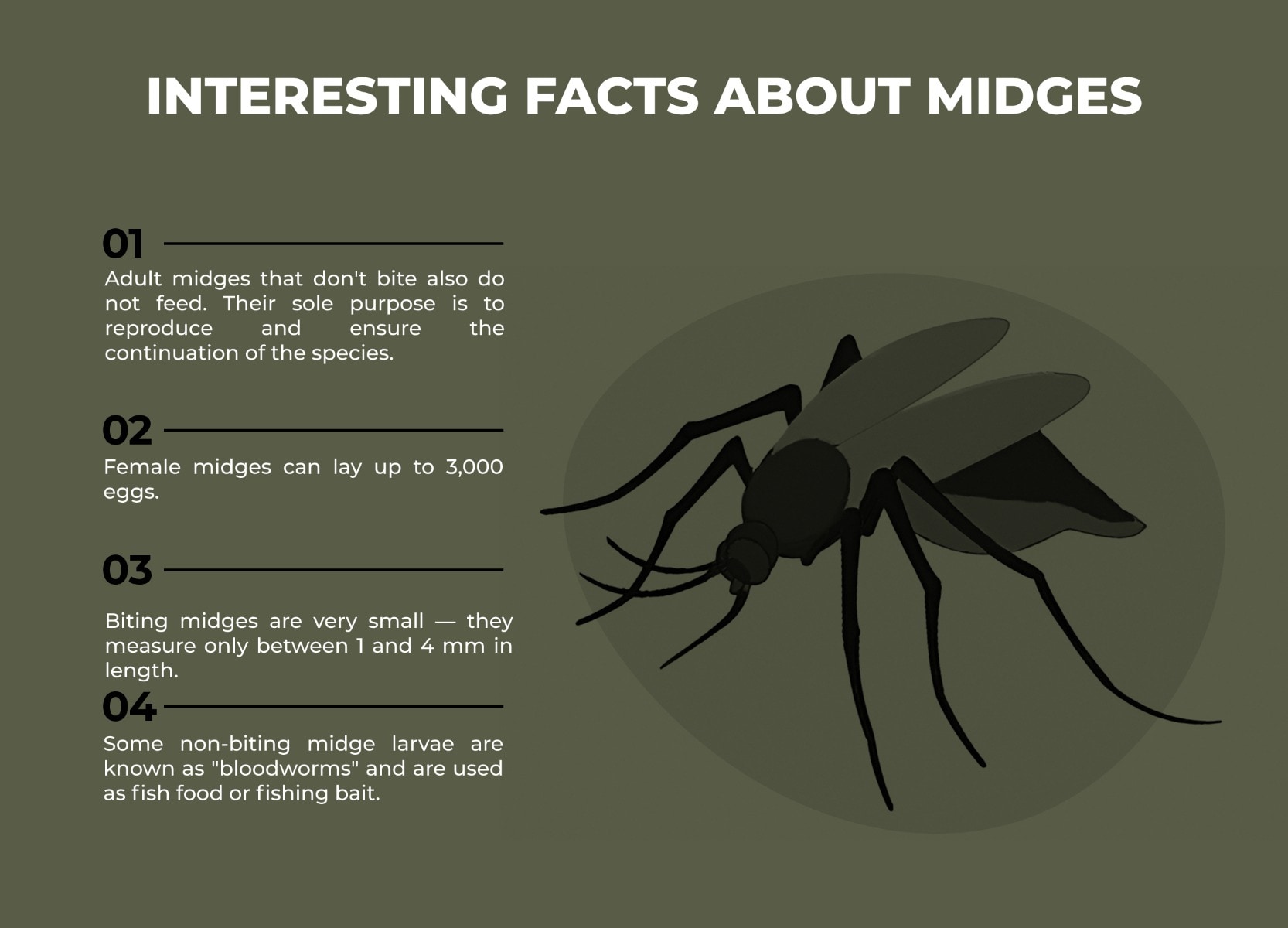
Yes, midges bite — but only the females. Their bites can be very annoying as they cause itching, swelling, and sometimes allergic reactions. Male midges do not bite, they feed on plant nectar and are completely harmless.
Interestingly, midges bite differently than mosquitoes, as they have a different mouth apparatus. Instead of piercing the skin like mosquitoes, midges tear it, making their bites more painful and harder to heal. They often attack in swarms, meaning in larger groups.
When Is Midge Season in Scotland?
Midge season in Scotland typically runs from late May to early September, with activity peaking in July and August. Midges are most active at dawn and dusk, in still, humid, overcast weather, and are especially prevalent on the west coast and in the Highlands, where sheltered glens trap moisture and limit airflow. Wind is one of the most effective natural deterrents — midges struggle to fly in breezes above 6–7 mph, so exposed, coastal or elevated campsites tend to be far more comfortable than sheltered valleys.
How to Repel Midges? - Midge Repellent That Works
Midges are a bothersome problem, but there are many ways to protect yourself from them. Effective midge repellents include primarily:
- repellents containing DEET,
- repellents with icaridin (picaridin),
- preparations containing permethrin.
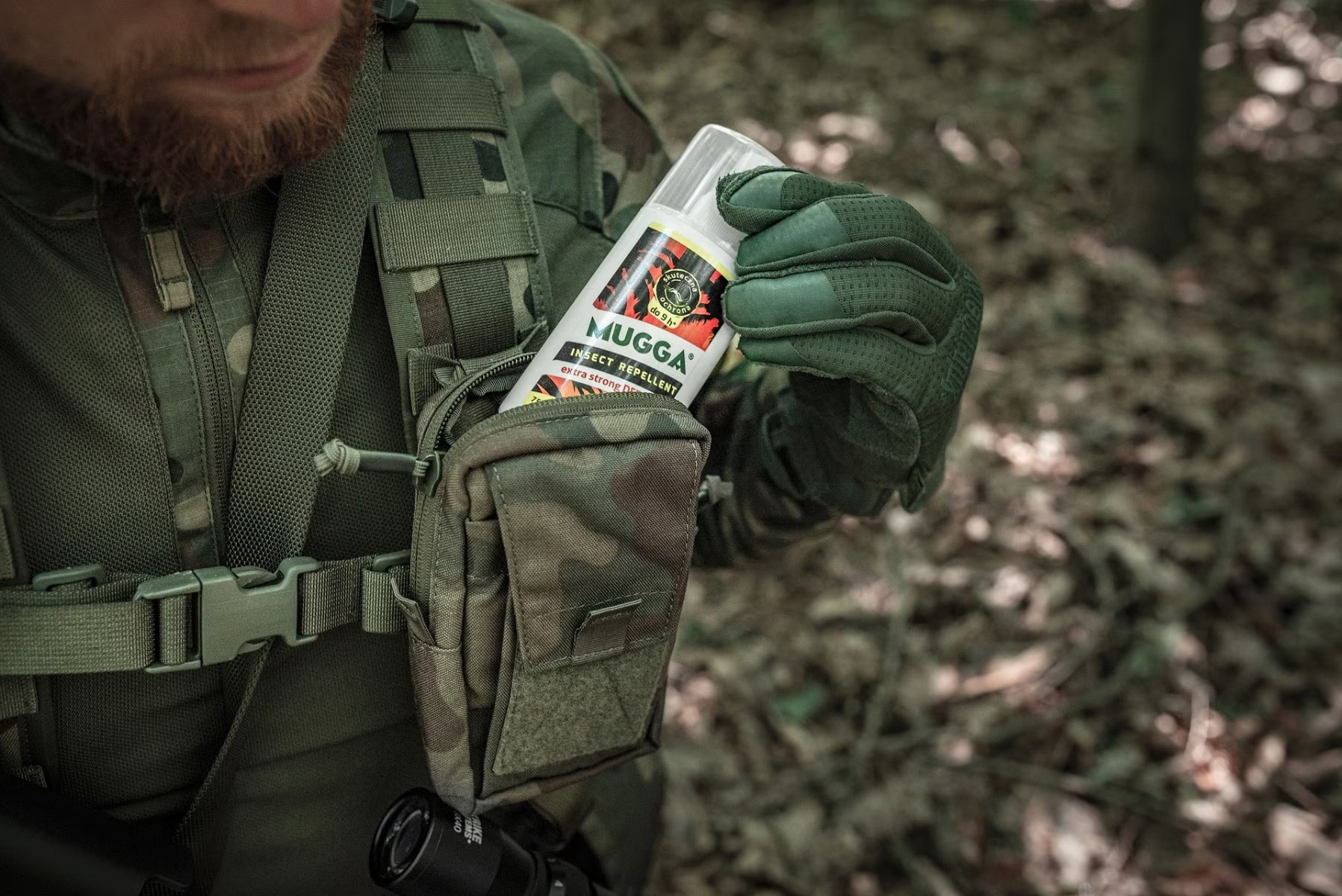
One of the most effective ways to protect against midges are repellents containing DEET. It does not kill insects but acts as a deterrent by affecting their nervous system. This causes disruption in coordination, making midges lose their ability to locate humans.
We recommend, for example, Mugga spray, which contains 50% DEET and is the strongest product in the Mugga series. It was developed by scientists in the United States for military needs operating in areas inhabited by life-threatening insects. The preparation protects against bites for up to 9 hours.
Also a good choice are products containing icaridin, which is used in insect repellent preparations such as sprays, gels, creams, and aerosols. It works by blocking the olfactory receptors responsible for detecting carbon dioxide and other organic compounds emitted by humans and animals. This prevents insects from correctly locating the target, effectively preventing bites. Icaridin is the active ingredient behind Smidge, one of the most widely recommended midge repellents in Scotland, developed specifically with Highland conditions in mind and often stocked in outdoor shops and petrol stations across the country.
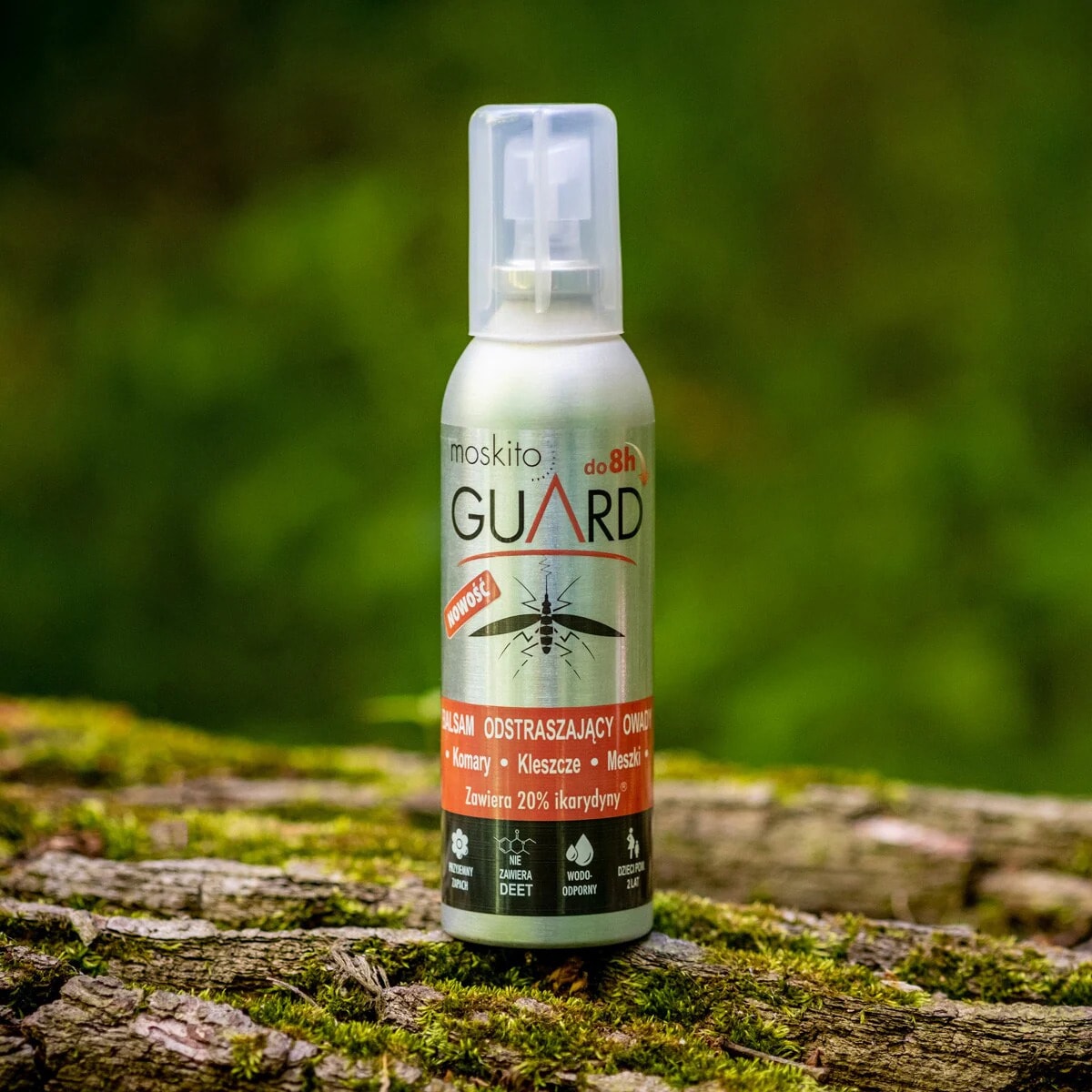
A recommended product is Moskito Guard – the first preparation that can be used by pregnant women and children over 2 years old. The preparation is applied directly to the skin and protects against midges for 7–8 hours. It has a moisturizing and caring balm formula, is odorless, does not leave greasy marks, and does not stick.
Effective against midges can also be preparations containing permethrin. They are available in various concentrations (e.g., 15%, 25%, even 40%) and are suitable for combating midges, mosquitoes, ticks, and other flying and crawling insects.
Don't Forget a Midge Head Net
At peak times — July and August, on the west coast, in calm evening conditions — midge density can be high enough that repellent alone isn't quite enough. A midge head net offers complete facial protection and is a lightweight, inexpensive addition to your kit. Look for a fine mesh design, since ordinary mosquito nets have holes large enough for midges to pass through. It's a small item that packs down easily but makes a big difference on the worst evenings.
How to Get Rid of Midges Using Natural Methods?
To get rid of midges using natural methods, you can apply several techniques:
- Traps with apple cider vinegar and dish soap - mix apple cider vinegar with a few drops of dish soap and pour the mixture into a jar or bottle. Midges are attracted to the vinegar smell, and the detergent reduces the water's surface tension, causing the insects to drown in the liquid.
- Fruit traps - wrap sliced fruits (e.g., apples, pears) or their peels in cling film and make a few small holes in it. Midges will get inside but won't be able to get out.
- Midges dislike many intense scents. Effective at deterring them include: sage, thyme, mint (especially peppermint), lavender, eucalyptus oil, lemongrass oil (citronella), cinnamon, the smell of burnt coffee, almonds, vanilla, and cloves.
Midges – Frequently Asked Questions (FAQ)
In this section, you'll find answers to frequently asked questions about midges – from their areas of occurrence, life cycle, to the factors that attract them.
What Is the Worst Place in Terms of Midge Occurrence in Scotland?
The Scottish Highlands, especially the west coast, are consistently considered areas with the highest frequency of midge occurrence. Several factors contribute to the high midge population in these areas. Midges thrive in moist, boggy areas, often found on the acidic bogs characteristic of the Highlands. Sheltered valleys (glens) further worsen the situation by trapping moisture and limiting airflow, creating ideal breeding conditions for midges.
How Long Do Midges Live?
Midges have a relatively short lifespan – adult individuals usually live from a few days to about 2–3 weeks, depending on the species and environmental conditions such as temperature, humidity, and food availability.
What Attracts Midges?
Midges are attracted by the carbon dioxide exhaled by humans, the smell of sweat, and body heat. They most commonly occur in humid places, especially near water bodies, which constitute their natural habitat.
Midges Repellent Offer at MILITARY.EU
If you want to effectively get rid of midges during your field trips, it's definitely worth checking out our full range, where you'll find suitable repellents.
We especially recommend products containing DEET, which is one of the most effective repellents against midges and other troublesome insects. Preparations with icaridin are equally effective, often milder on the skin, and less irritating.
In our offer, you will also find garden candles with pleasant citrus scents, which can effectively contribute to deterring midges. Their burning time is up to 10 hours.