 Česká republika
  Deutschland
  United Kingdom
  Finland
  France
  Magyarország
  Italy
Italy  Polska
  România
  Україна
  Europe
How to filter water in the wild? — a guide to water treatment methods
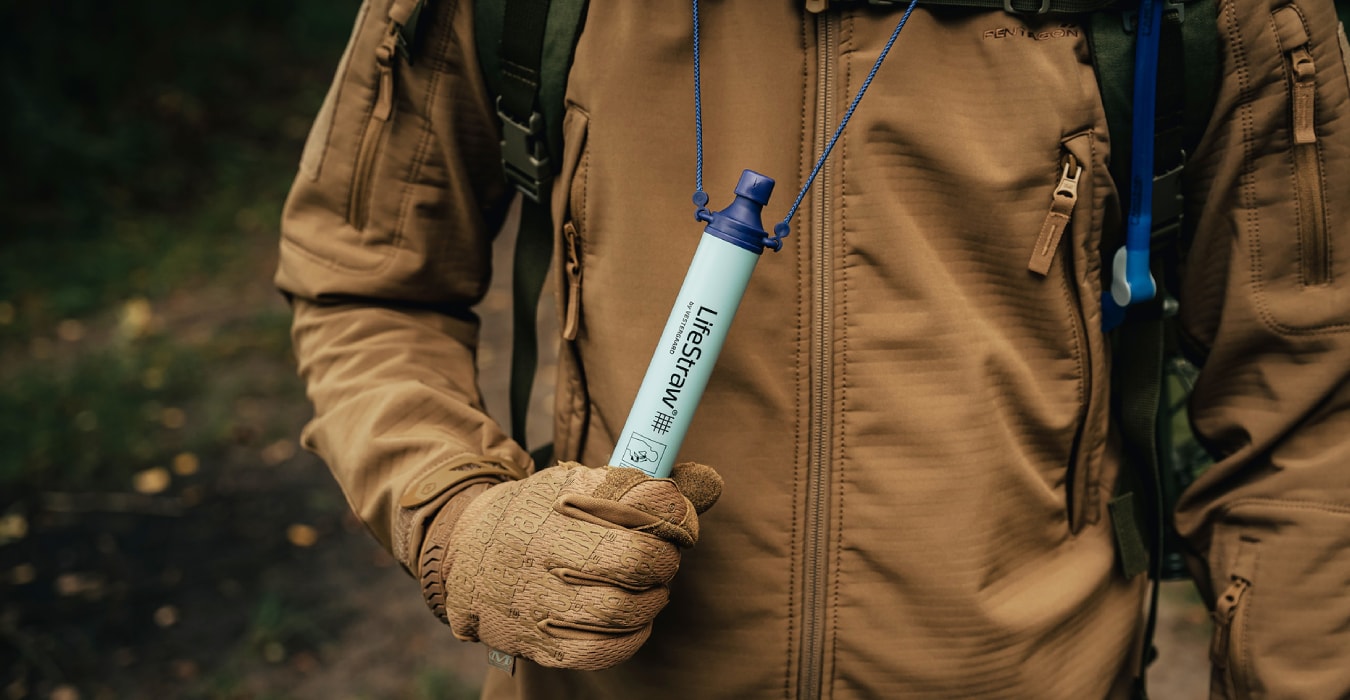
Water from rivers, lakes, or forest streams may appear clean, but its clarity does not indicate safety for consumption. It may contain bacteria, viruses, protozoa, parasites, and other contaminants not visible to the naked eye. Therefore, during trekking, camping, or emergency situations, it is worth knowing how to effectively make water safe for drinking.
In this guide, we present the most effective methods of filtering and purifying water in the field and explain when it is worth using tourist filters, purification tablets or other purification methods.
In brief (TL;DR)
- Do not drink untreated water – even clear stream water may contain bacteria, viruses, and protozoa.
- Tourist filter – the most convenient everyday option; removes bacteria, protozoa, and mechanical impurities, but typically not viruses.
- Boiling – the most reliable method; destroys bacteria, viruses, and protozoa, but requires fuel and does not remove chemical impurities.
- Purification tablets – a lightweight emergency safeguard; eliminate microorganisms but may affect the water taste.
- Combine methods – use at least two methods, as the filter can get damaged and tablets can run out.
- Selection for the trip – short trip: straw or tablets; weekend: filtered bottle; extended trekking: pump or gravity filter.
Why does water from natural sources require purification?
Natural water sources, such as rivers, lakes, ponds, or mountain streams, may seem clean, but their appearance does not indicate safety for consumption. Clear water often contains contaminants not visible to the naked eye, so it should be properly filtered or purified before drinking.
The greatest threat comes from pathogenic microorganisms, including bacteria (e.g., Escherichia coli or Salmonella), viruses, and protozoa, such as Giardia and Cryptosporidium. They can cause food poisoning, diarrhea, vomiting, and other infections, which during field trips can quickly lead to dehydration and prevent further trekking.
In addition to microorganisms, water may also contain mechanical impurities like sand, silt, plant fragments, or microplastics. Although they are usually not the greatest threat to health, they degrade water quality and may impede the operation of certain filters. Much larger problems are chemical contaminants, including pesticides, heavy metals, and petroleum-derived substances, which enter waters from agricultural, industrial, or roadside areas.
Methods of water purification in the field
In the field, three primary methods of water purification are most often used: mechanical filtration using tourist filters, boiling, and chemical purification with tablets. Each of these has its advantages and limitations. The tourist filter is best for everyday use of natural water sources, while purification tablets should be considered as an emergency equipment supplement.
| Method | What it removes | Time | Limitations |
|---|---|---|---|
| Tourist filter | Bacteria, protozoa, suspended solids, and microplastics* | A few minutes | Most models do not remove viruses |
| Boiling | Bacteria, viruses, and protozoa | About 1–3 minutes from boiling | Requires a vessel and heat source |
| Water purification tablets | Bacteria, viruses, and protozoa | 30 min – 4 h | Require action time and may affect water taste |
* depending on the model and size of the filter pores.
Tourist filters – the most convenient option in the backpack
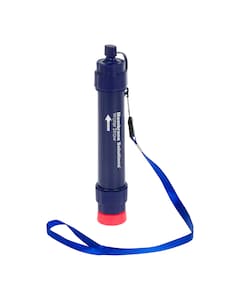
Tourist filters are the most commonly chosen method of water purification during outdoor activities. Water passes through a filtration membrane with microscopic pores, which captures bacteria, protozoa, and most mechanical impurities, such as sand, silt or microplastics. Although most filters do not remove viruses, in the conditions of Poland and most of Europe, they pose a relatively small threat in surface waters. Therefore, the tourist filter is for most tourists and outdoor enthusiasts the basic equipment that allows safe use of natural water sources.


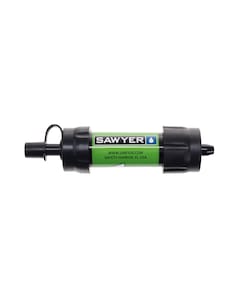
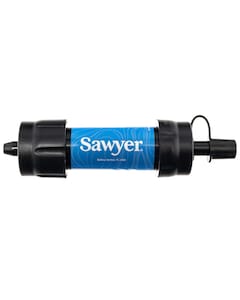
Bottles and canteens with filter
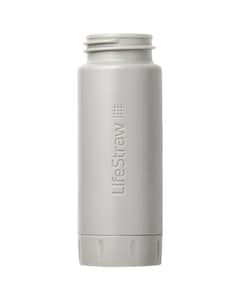
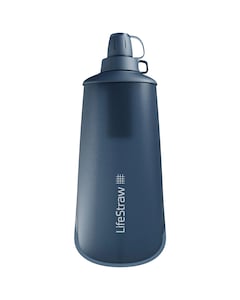
Bottles and canteens with a filter are a good choice for people who want to purify water on the go during the march. They combine the function of a water container with a filtration insert, so there is no need to use additional equipment or pour water into separate containers. Just fill the bottle with water from a natural source and filter it according to the manufacturer's instructions. Selected models also offer more advanced filtration systems, which in addition to bacteria and protozoa also limit the presence of viruses and some chemical contaminants, making them suitable for use during trips outside Europe.




Gravity and pump filters
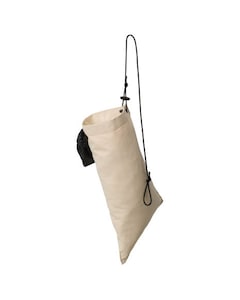
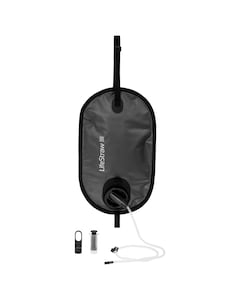
If you need to purify a larger amount of water, it is worth reaching for a gravity or pump filter. Gravity filters use the force of gravity – after filling the container with contaminated water, you only need to hang it over the container for clean water, and the filtration will proceed automatically. This is a convenient choice for camps, camping, and trips with larger groups, where several liters of water need to be prepared at once for drinking or cooking.
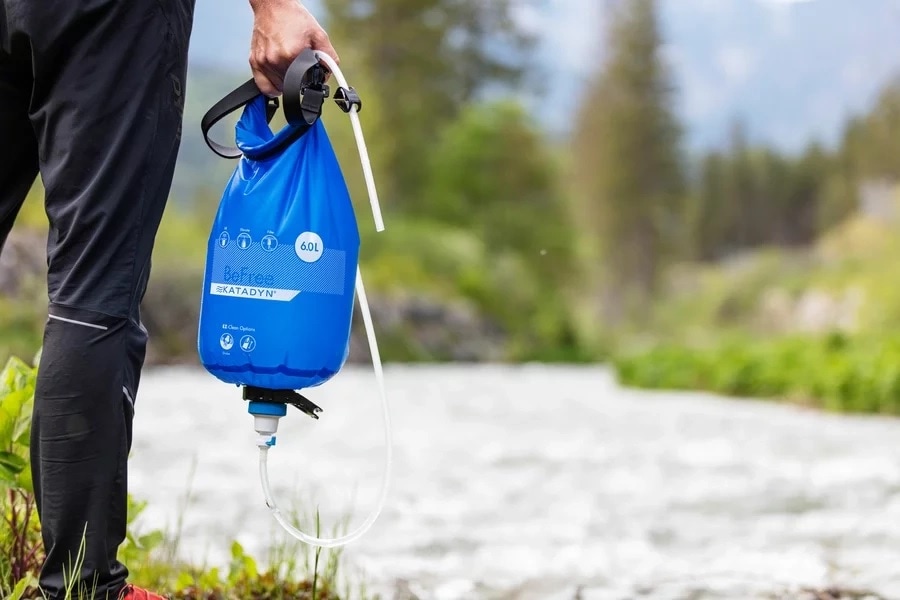
The gravity filter is suitable for purifying larger quantities of water from natural sources
Pump filters require manual pumping of water through a filtration cartridge, allowing water to be drawn even from shallow streams, small ponds, or other hard-to-reach sources. They provide high efficiency and full control over the filtration process, so they are a popular choice for extended trekking, expeditions, and intensive use in the field.
Boiling water – a reliable classic
The oldest and most reliable method. High temperatures kill virtually all microorganisms – bacteria, viruses, and protozoa. The rule is simple: water brought to a boil is safe. At lower altitudes, 1 minute of boiling is sufficient, above 2000 m above sea level – about 3 minutes.
Practical tip
First filter cloudy water through a bandana, scarf or clean T-shirt, and then boil it. This will remove sand and plant fragments, making the boiling process more effective.
The downside of this method is the necessity of using fuel. Boiling does not remove chemical contaminants or turbidity from the water.
Water purification tablets
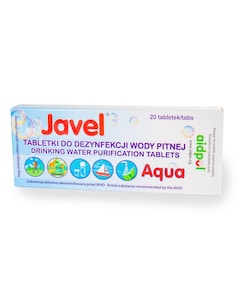
Water purification tablets are lightweight and compact emergency equipment that is worth having in your backpack on every trip. Their active substances, most often chlorine dioxide or chlorine compounds, effectively eliminate bacteria, viruses, and most protozoa.
Their biggest advantages are small size and easy transport, so they often complement the tourist filter or are a part of emergency equipment. However, it should be noted that tablets do not remove mechanical contaminants and may affect the taste and smell of the water.


How to choose a water filtering method for your trip?
The choice of water purification method depends primarily on the length of the trip, the availability of water sources, and the number of people using the reserves. For short trips, a filtering straw or tablets as emergency protection may suffice. During weekend outings, a filter bottle is adequate, whereas for longer trekking or bushcraft trips, it is worth taking a pump or gravity filter.
A good practice is to use at least two methods of water purification. The filter may break, and tablets can run out or get wet. Combining both solutions increases safety during trips.
The ability to purify water is one of the basic principles of moving safely outside civilization. An appropriately selected filter, emergency tablets, and knowledge of which sources to avoid taking water from help limit the risk of dehydration and health problems.
Frequently Asked Questions (FAQ)
Is it possible to drink water from a mountain stream without filtering?
No. Even seemingly clean water may contain bacteria, protozoa, or other microorganisms. It should be filtered, boiled, or purified with tablets before consumption.
Does a tourist filter remove viruses?
Most filters remove bacteria and protozoa but do not trap viruses. In Poland and most of Europe, viruses in surface waters pose a small threat.
Is boiling water more effective than a filter?
Boiling eliminates bacteria, viruses, and protozoa but does not remove mechanical or chemical impurities. The filter improves water quality, so both methods complement each other well.
What water is best to collect for filtering?
It is best to choose flowing water, away from buildings, pastures, and fields. Avoid water with cyanobacterial blooms, oily films, or strong odors.
Does a tourist filter remove microplastics?
Most filters with a membrane pore size of 0.1–0.2 microns effectively trap microplastics and other small mechanical contaminants.
Filters and purification equipment at MILITARY
At MILITARY, you will find a wide range of water purification equipment suitable for both single-day trips and multi-day outdoor excursions. The assortment includes filtering straws, bottles and canteens with filters, pump and gravity filters, as well as water purification tablets. This way, you can easily select equipment suited to the planned activity, the number of participants, and the conditions in which you will use natural water sources.