Česká republika
  Deutschland
  Austria
  United Kingdom
  Suomi
Suomi  France
  Magyarország
  Italia
  Polska
  România
  Україна
  Europe
What is bushcraft and how can you prepare for it?
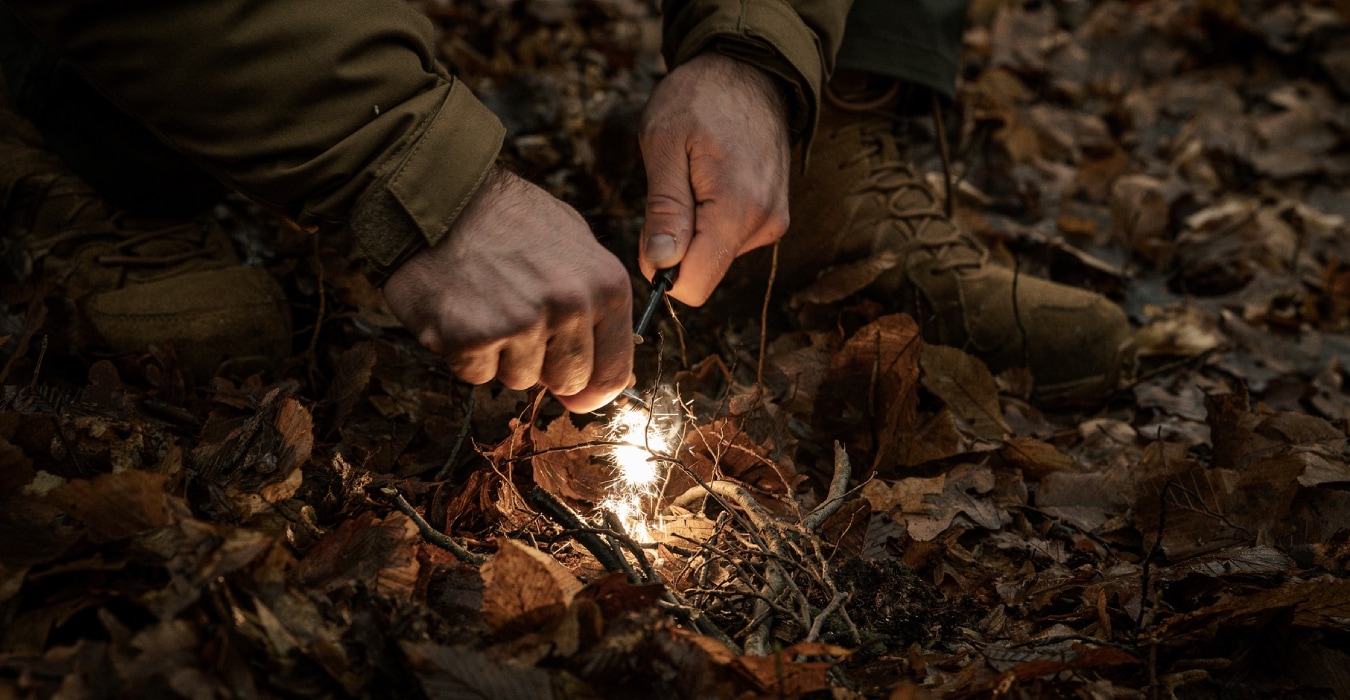
Bushcraft, or the art of survival in a natural environment, has its roots in the distant past, when humans had to rely solely on their own skills to survive in the wild. This knowledge includes not only building shelters and making tools but also sourcing food and adapting to harsh environmental conditions. The history of bushcraft has been shaped by enthusiasts such as Mors Kochanski, Les Hiddins, George Washington Sears, and — closer to home in the UK — Ray Mears, who through their books, survival schools, TV series, and innovative techniques, brought people closer to the art of living in harmony with nature.
What Is Bushcraft? - What Does the Term Mean?
The term bushcraft was coined from the combination of two English words: bush (shrub) and craft (craftsmanship). This term gained popularity in the 19th and 20th centuries among explorers, hunters, and military personnel, and its contemporary meaning was popularised, among other things, by Richard Harry Graves' book Bushcraft from the 1950s. In the UK specifically, much of the public's modern awareness of bushcraft comes from Ray Mears, the English woodsman and broadcaster whose television series and books on wilderness skills brought the term into mainstream use from the 1990s onwards.
Bushcraft is a unique art of living in the wild. It involves the ability to use natural resources consciously, thoughtfully, and in harmony with nature. Basic bushcraft skills include:
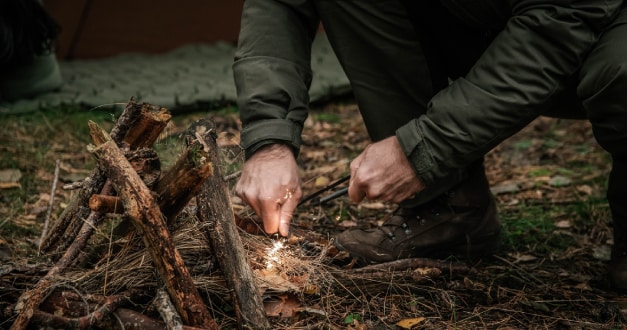
- Fire-making – traditional methods, e.g., fire bow or ferro rod.
- Building shelters – creating simple constructions from branches, leaves, and natural materials.
- Food gathering and preparation – identifying edible plants, fishing, hunting, and food preservation.
- Navigation – orientation in the terrain using the sun, stars, and other terrain signs.
- Craftsmanship – making tools, traps, and utility items from available materials.
- Water sourcing and purification – finding water sources and filtering and boiling it.
- Making tools and utility items – e.g., knives, axes, utensils from wood or stone.
- First aid and safety – treating wounds, providing help, and recognising threats in the field.
- Environmental awareness and ethics – minimising environmental impact.
Bushcraft has evolved over the years and takes on various forms. Some still practise its primitive version, relying solely on nature and traditional methods. Most, however, choose practical bushcraft, combining basic skills like fire-making, shelter-building, water-sourcing, or first aid, with modern equipment that facilitates these tasks in the field.
How to Start Your Adventure with Bushcraft? - Useful Equipment
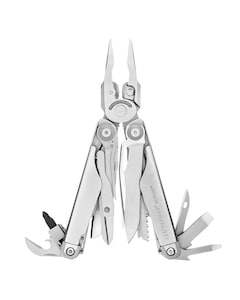
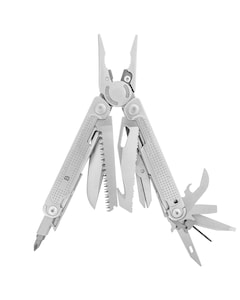
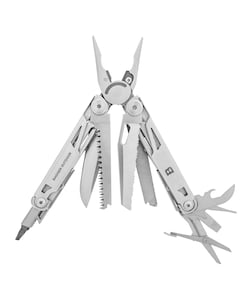
As mentioned earlier, some bushcrafters practise only the primitive form of this activity, limiting themselves to the absolute minimum and using only what is found in the field. However, this case is really a small percentage – many treat it as a hobby and enjoy using various bushcraft equipment in challenging conditions. Here's equipment that may prove useful in bushcraft:
Bushcraft Equipment Checklist
Of course, the less, the better – ideally, the entire gear should be compact, lightweight, and easy to carry, so it fits in a backpack without taking up unnecessary space. However, everyone can customise this list, adding useful items according to their needs.



What to Wear for Bushcraft? - Durable Outdoor Clothing
In a forest environment, unlike urban conditions, there is no possibility of quickly returning home or sheltering in a building. Therefore, the proper choice of clothing is crucial for both safety and comfort.
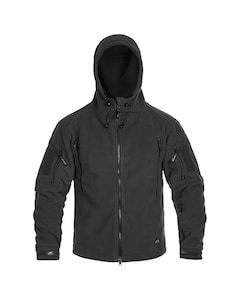
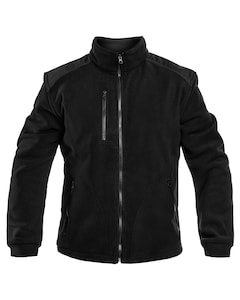
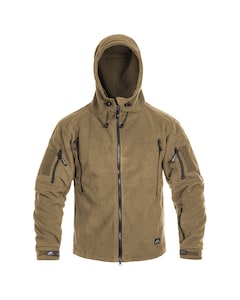
3-Layer Clothing System
The basis of dressing for the outdoors is the three-layer principle, which allows flexible adjustment of thermal insulation to weather conditions and physical activity intensity.
- Base layer – thermal underwear
Task: wicks moisture and keeps the body dry.
Examples: shirt and trousers made of merino wool or synthetic materials.
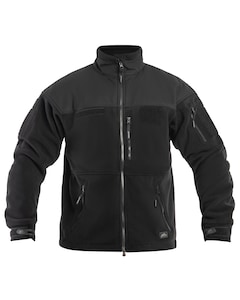
- Middle layer – thermal insulation
Task: traps the heat produced by the body.
- Outer layer – protective
Task: protects against wind, rain, and snow.
Examples: hardshell or rain jacket.




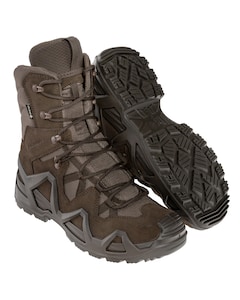
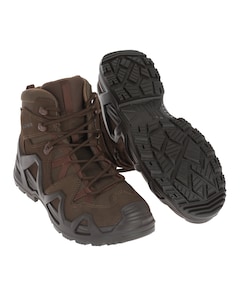
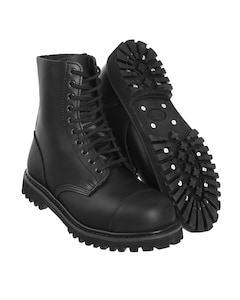
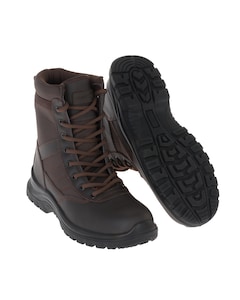
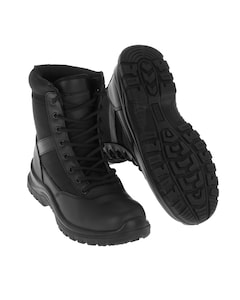
Military Boots – Reliable in Any Terrain Conditions
For bushcraft activities, it's worth choosing military boots that provide complete foot protection. They protect against harsh weather conditions like rain, snow, mud, or extreme temperatures, as well as mechanical threats – impacts from stones, cuts, abrasions.
It's always worth having a spare pair of socks with you. Wet feet are the quickest way to frostbite in winter and blisters in summer. Woollen or merino wool trekking socks work best.


From Hats to Gloves – Accessories Worth Having
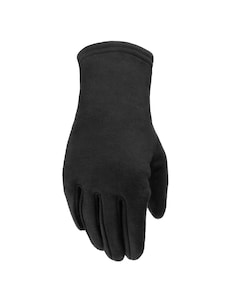
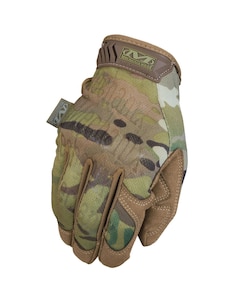
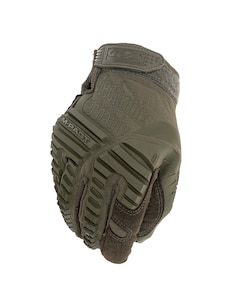
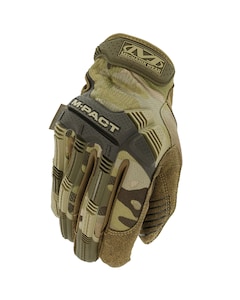
Well-thought-out accessories significantly enhance the comfort of a bushcraft expedition. A winter hat will protect against heat loss in the cold months, while in summer, a cap will be invaluable. It's also worth having a balaclava or multifunctional scarf – they have many uses. Gloves are equally important – they not only protect from cold but also from scratches and abrasions when working with wood or starting a fire.



Bushcraft vs Survival – How Do They Differ?
Bushcraft and survival are terms that are sometimes used interchangeably, which is a mistake. While both fields have common elements, they represent different approaches to living in the outdoors and coping in emergency situations. The table below will help to better understand the differences between bushcraft and survival:
| Feature | Bushcraft | Survival |
|---|---|---|
| Goal / intention | Living in harmony with nature, developing skills, and deepening contact with nature | Survival in emergency situations and safe return to civilisation |
| Equipment | Minimalist set of traditional tools (e.g., knife, axe, saw), acceptable modern conveniences | Specialist equipment for emergency situations – modern, functional, and reliable |
| Key skills | Fire-making, shelter building, identifying edible and medicinal plants, tool making, hunting and fishing techniques, water sourcing and purification methods | Quickly meeting basic needs (water, shelter, fire, food), first aid, navigation, emergency signalling, improvisation with available materials, risk, and stress management |
| Approach to nature | Sustainable, minimising environmental impact, building a long-term relationship with nature | Pragmatic – survival as a priority, interaction with nature limited to the necessary minimum |
As you can see, both activities have common elements, but they differ in their goals. Survival focuses on enduring difficult or extreme conditions, while bushcraft focuses on long-term living in harmony with nature and developing practical outdoor skills.
Bushcraft Products in the MILITARY Offer
In our store, you will find all products necessary for bushcraft. We prioritise quality and offer equipment from renowned brands that are durable and resistant to harsh conditions. In addition to accessories, we also offer durable clothing perfect for forest and demanding terrain. Visit our website and choose the essential products.