Česká republika
  Deutschland
  Österreich
  United Kingdom
  Suomi
Suomi  France
  Magyarország
  Italia
  Polska
  România
  Україна
  Europe
Which monocular should you choose?
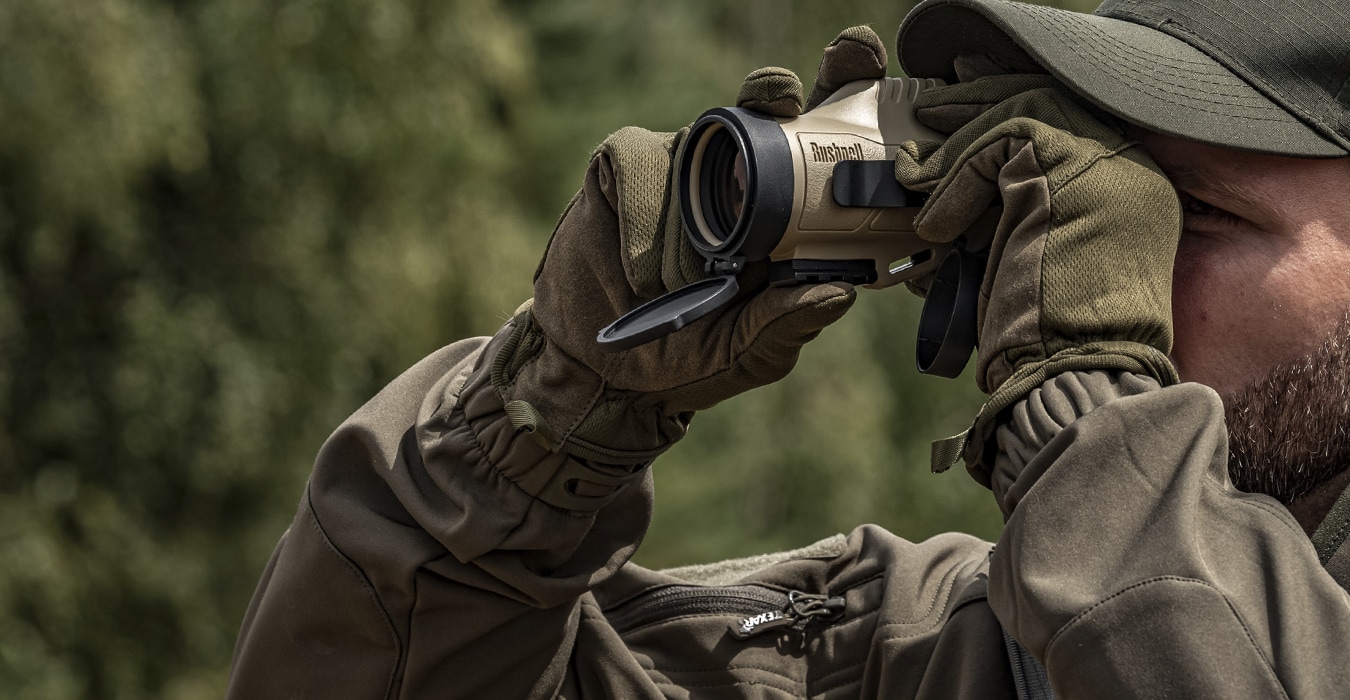
A monocular, sometimes also called a monocular telescope, is a compact device designed for people who want to observe the sky or wildlife. Some models are so small that they fit in a pocket and are as long as a pen. Read this article to learn exactly what a monocular is, its advantages, and why you should buy one as an alternative to traditional binoculars.
Monocular – What Is It and What Is It Used For?
A monocular is a small optical device for observing distant objects with one eye — essentially a compact monocular telescope. It magnifies the image thanks to a system of lenses and/or mirrors that focus light and direct it to the eyepiece.
It is especially useful for observing wildlife, viewing vast stretches of the night sky, or following sports events. There are also specialist thermal, night vision, and digital monoculars used in police and military applications. Some monoculars offer additional features such as:
- built-in compass,
- night vision or thermal system,
- rangefinder – laser or optical for precise distance measurement,
- video recording,
- Wi-Fi support.
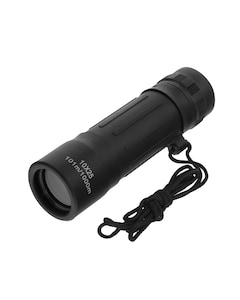
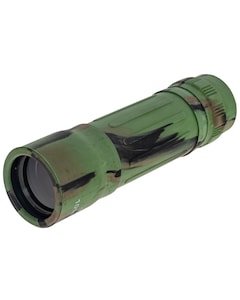

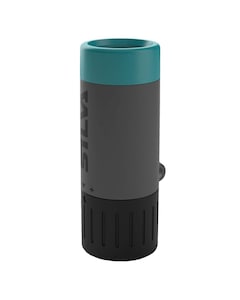
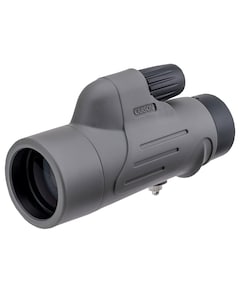
What to Consider When Choosing a Monocular?
When choosing a monocular, focus on parameters that will realistically affect the comfort of observation and the quality of the obtained image. Monoculars are labelled with two numbers, such as 8x42 or 10x25 — the first is the magnification, the second is the objective lens diameter in millimetres. Here are the most important features you should pay attention to:
- Magnification – determines how many times the image is enlarged compared to the naked eye. Typical values range from 4x to 16x. Higher magnification is useful for observing distant objects, but it can limit image stability and reduce the field of view, making it difficult to track moving objects. For most everyday applications, such as hiking or birdwatching, a range of 8x–10x will be optimal.
- Objective diameter – affects the amount of light reaching the eye, which is especially important in low light. A larger diameter (e.g., 42 mm) provides a brighter image, but increases the size and weight of the monocular.
- Exit pupil – a useful figure that ties the two numbers above together: divide the objective diameter by the magnification (e.g. 42 ÷ 8 = 5.25 mm for an 8x42 monocular). The bigger the result, the brighter the image will appear in dim conditions such as dawn, dusk, or woodland. As a rule of thumb, aim for an exit pupil of at least 4 mm if you'll often be observing in low light.
- Construction and durability – a monocular used in the field should be waterproof, dustproof, and resistant to shocks and falls. Choose models with a rubberised, non-slip housing that provides a secure grip even in difficult conditions. Models with nitrogen or argon filling prevent the internal lenses from fogging in changing weather conditions and sudden temperature changes.
Why Choose a Monocular for Observation?
A monocular is a small optical device that functions similar to a telescope, but is much smaller and lighter than traditional optical devices. Its main advantages include:
- Compactness – the small size and lightness are the biggest advantages of a monocular. It can be taken almost anywhere, on mountain hikes, trips, or even to a concert or festival, without weighing down a backpack or bag. A monocular is essentially half of a binocular, so it is very handy.
- Easy one-handed operation – unlike binoculars, a monocular is operated with one hand, which is extremely practical during activities that require the other hand to be free.
- Lower price – monoculars are often cheaper than binoculars and telescopes, making them an attractive choice for those looking for inexpensive optical equipment.
- Good choice for people with vision impairments – a monocular is suitable for people who primarily see with one eye or have different vision impairments in each eye (e.g., different levels of myopia or astigmatism).
Monocular or Binoculars – How to Choose Equipment for Observation?
Choosing the right optical equipment can be challenging. Both monoculars and binoculars have their advantages, but are suited to slightly different situations.
When to choose a monocular:
- You care about minimal weight and highly compact size. While some binoculars are also pocket-sized, the choice of monoculars of such sizes is much larger.
- You plan to operate the equipment with one hand.
- You want to feel as little weight as possible when carrying it longer.
- You plan short observations "on the go".
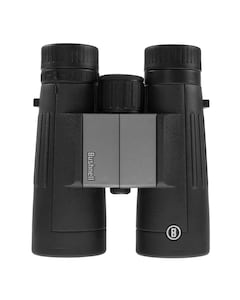
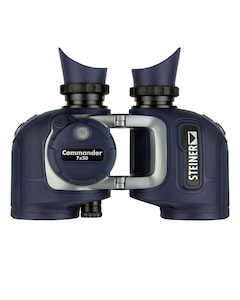
When to choose binoculars:
- You care about a wider and brighter field of view than that typically offered by a monocular.
- You prefer observing with both eyes — for most people, this is less tiring for the eyes.
Monoculars in the MILITARY Offer
In our store, we offer monoculars from renowned brands such as Carson, Mil-Tec, Vortex, and Celestron. The selection of models is wide – they differ in size, parameters, and purpose. In our offer, you will find both advanced models for professionals and lightweight, handy monoculars for occasional observations.