Česká republika
  Deutschland
  Österreich
  United Kingdom
  Suomi
Suomi  France
  Magyarország
  Italia
  Polska
  România
  Україна
  Europe
Preppers and prepping – how to prepare for a crisis?
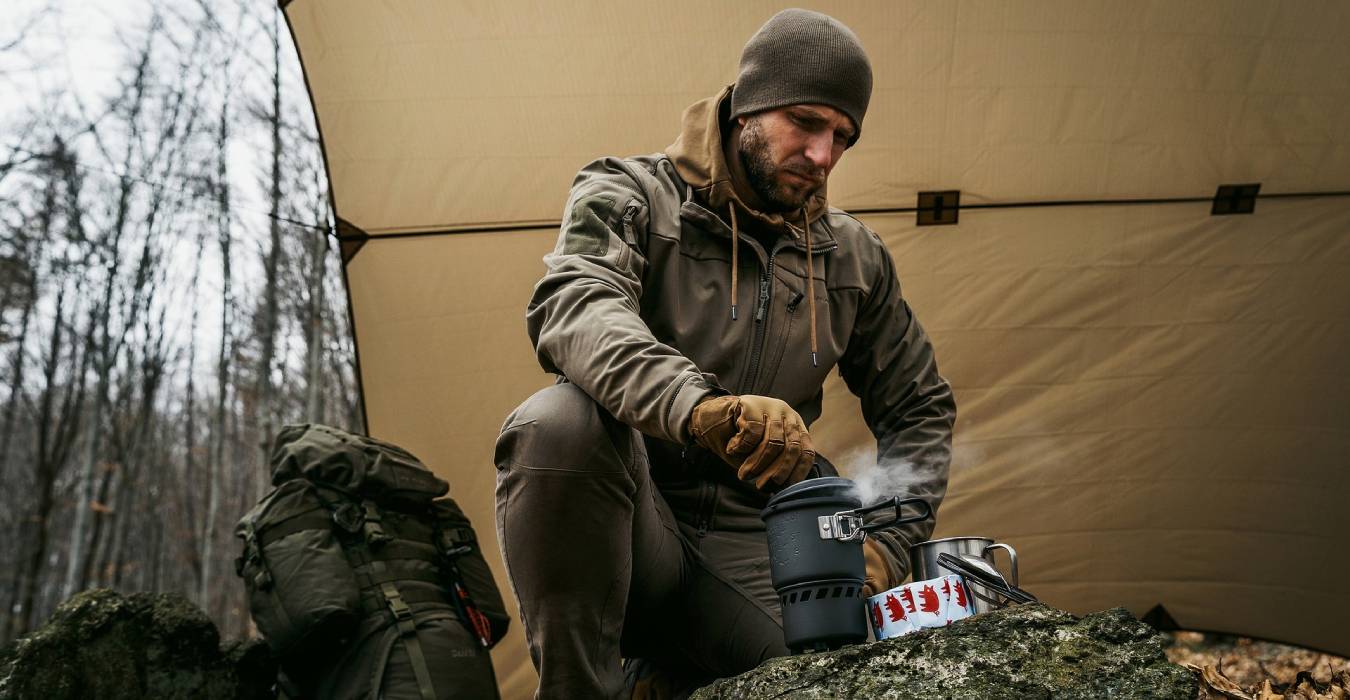
Preppers are not people waiting for the end of the world, but those who prefer to be ready before a problem appears. A power outage, contaminated water supply, severe weather, fuel shortages or temporary disruption of stores can quickly show how dependent everyday life is on basic infrastructure. Prepping is about reducing that dependence and building a realistic safety plan for yourself and your family.
In this guide, you'll learn who exactly a prepper is, how prepping differs from classic survivalism, how to assess various local threats, what should be included in your home's pantry, how to assemble a basic emergency kit, and much more. This is a guide for those who want to prepare rationally, without panic and random decisions.
Who is a prepper? Definition and philosophy of modern prepping
A prepper is someone who consciously prepares themselves, their family, and their home for various crisis situations. The main tasks of a prepper include: stockpiling water and food, developing evacuation plans, searching for or building a shelter, assembling necessary equipment for crisis situations, and acquiring knowledge in the fields of survival and bushcraft.
It's not about panic or excessive hoarding, but about reasonable planning and readiness for the critical moment when access to basic services and amenities is limited. These aforementioned situations include, among others:
- Blackout, or an extended power outage,
- wars and armed conflicts (including asymmetric conflicts),
- terrorism,
- serious critical infrastructure failures, such as damage to water, energy, or communication networks.
In practice, a prepper is someone who, by definition, has: a plan of action, basic supplies, and necessary equipment to remain calm in difficult situations, maintain safety, and achieve the greatest possible independence. The philosophy of prepping is based on a simple principle: it's better to prepare in advance than to improvise in a crisis. A modern prepper does not accumulate random items, but builds a practical security system that is tailored to the home, family, place of residence, and real threats.
Prepping vs. survival – differences
Prepping and survival are often confused because both approaches involve safety, self-reliance, and coping in tough conditions. However, they differ mainly in their goals. Prepping involves preparing for a crisis in advance, meaning creating a plan, stockpiling supplies, and assembling equipment that will help survive a failure, blackout, evacuation, or prolonged lack of access to basic services. Survival, in contrast, focuses on the ability to survive here and now, often in the field, with limited resources and without prior preparation.
In the simplest terms, you can say that:
- prepping is preparation before the crisis,
- survival is coping during the crisis.
Civil responsibility: why it's worth being prepared (so-called civil preparedness)
Civil preparedness is an approach where being prepared for a crisis is not only a private matter but also a part of social responsibility. A person who has basic supplies, a plan of action, and necessary equipment is less dependent on immediate help from services, family, or neighbors in an emergency situation. This way, they don't add to the chaos, don't overload the emergency system in the first few hours of the crisis, and can more calmly take care of themselves and their loved ones.
First steps: How to become a prepper regardless of where you live?
Becoming a prepper doesn't depend on whether you live in a house in the countryside, a small apartment in a block, or in the center of a big city. Prepping starts with a simple question: what will I do if for a few days I don't have access to electricity, water, heating, the internet, or the store? The answer doesn't immediately require making large purchases or buying specialized equipment. The most important things are: a sensible plan, basic supplies, and gradually building self-reliance.
In an apartment in a block, preparations might focus on basic supplies, emergency lighting, water, power banks, and an evacuation plan. In a single-family house, one might additionally consider alternative heating, larger supplies, tools, and securing the property. The most important thing, however, is not the place of residence, but systematic action — it's better to assemble equipment step by step and know how to use it than to buy random products without a plan.



Regional threat analysis: floods, power outages, digital crises
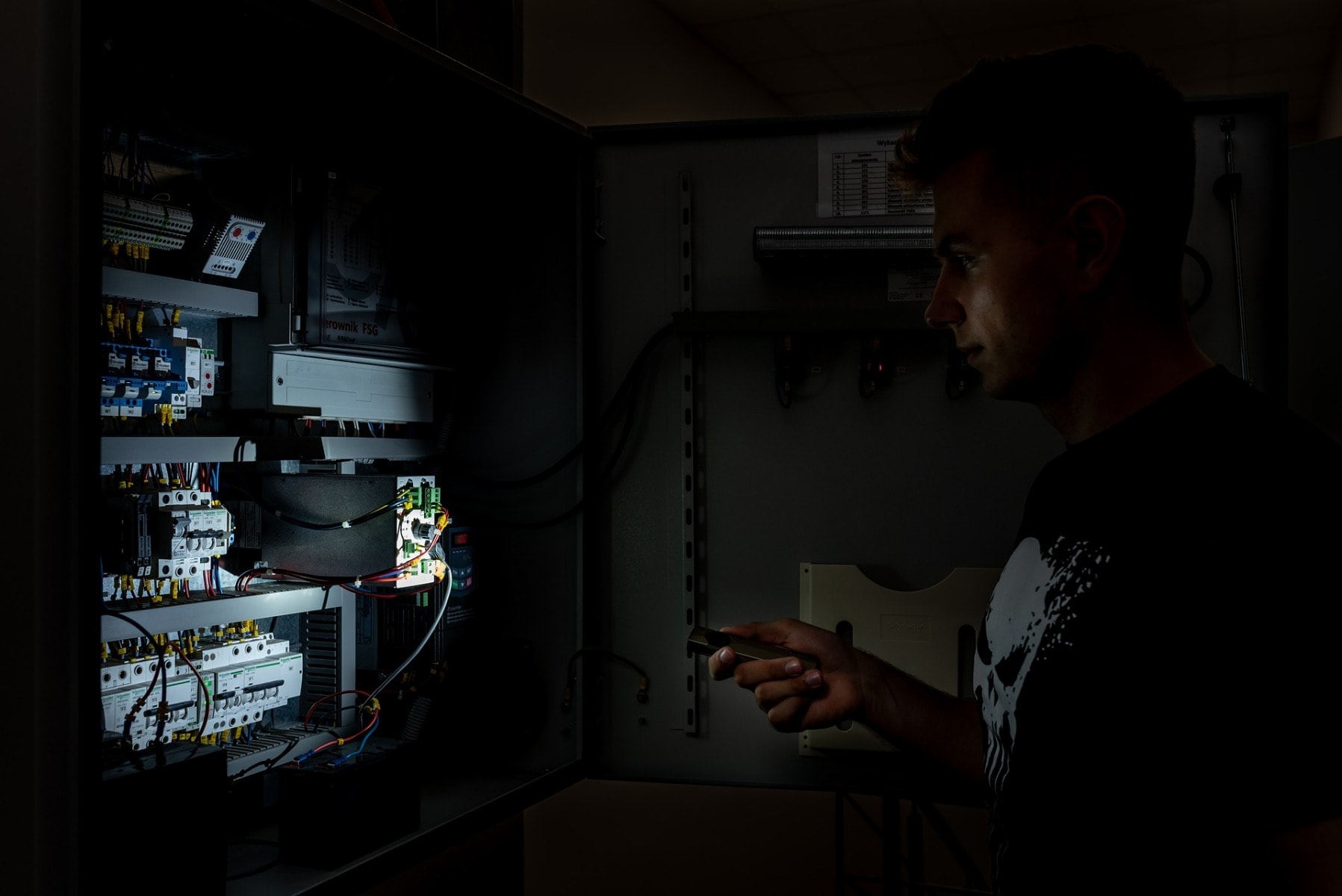
In prepping, analyzing the threats characteristic of your place of residence is very important. Different risks concern people living by a river, residents of large cities, rural areas, or mountainous regions. In practice, it is worthwhile to check what crisis situations are most likely in a given area and prepare a home safety plan for them.
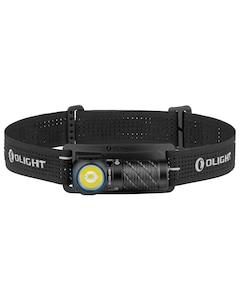
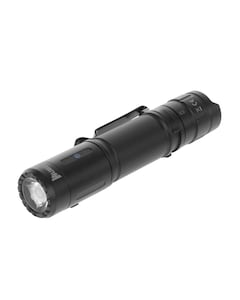
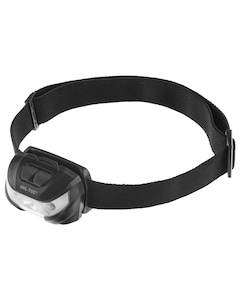
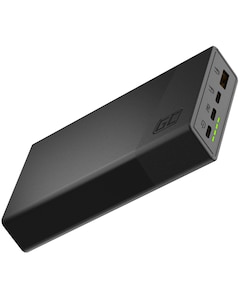
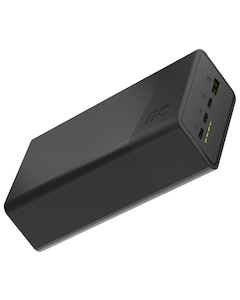
A good threat analysis allows for reasonable, not random, preparation. A person living in a flood-prone area should prioritize documents, sandbags, an evacuation plan, and securing property. Someone living in a blackout-prone area should focus on emergency lighting, power banks, a radio, a stock of batteries, and an alternative source of heat. Thanks to this, preparations are tailored to real threats, not general scenarios.

The "3-3-3" rule in prepping – establishing survival priorities
The rule of threes helps quickly determine what is most important in a crisis situation. In simplified terms, it reminds us that a person can survive about 3 minutes without air, 3 hours without shelter in harsh conditions, 3 days without water, and 3 weeks without food. This makes it easier to set priorities: first safety and protection from hypothermia or overheating, then access to water, and only then food and other equipment elements.
More about this rule can be found in our separate article: The Rule of Threes - the most important survival rules you need to know.
Home pantry: how to store food and water to European standards?
The best way to organize a home pantry is in a dry, cool, shaded, and well-ventilated place. Bulk products such as rice, groats, pasta, or flakes should be kept in airtight containers, and canned goods and jars should be arranged by expiration dates, so the oldest are used first.
Store drinking water in factory-sealed bottles or certified containers, away from chemicals, fuels, and heat sources. It is worth regularly checking and replenishing supplies according to the "First in, first out" principle.
Long-term supplies: choosing products with high caloric content and long shelf life
Long-term supplies are best made up of products that are high in calories in a small volume, have a long shelf life, and do not require refrigeration. They should be easy to store, moisture-resistant, and easy to prepare even in emergency conditions. It is worth choosing primarily:
Long-term food – prepper's supplies
- rice, pasta, groats, and oatmeal
- meat, fish, and vegetable conserves
- freeze-dried food and emergency rations
- peanut butter, nuts, and seeds
- dried fruits and energy bars
- powdered milk, honey, sugar, salt, and oil
- legumes, e.g., beans, lentils, and chickpeas
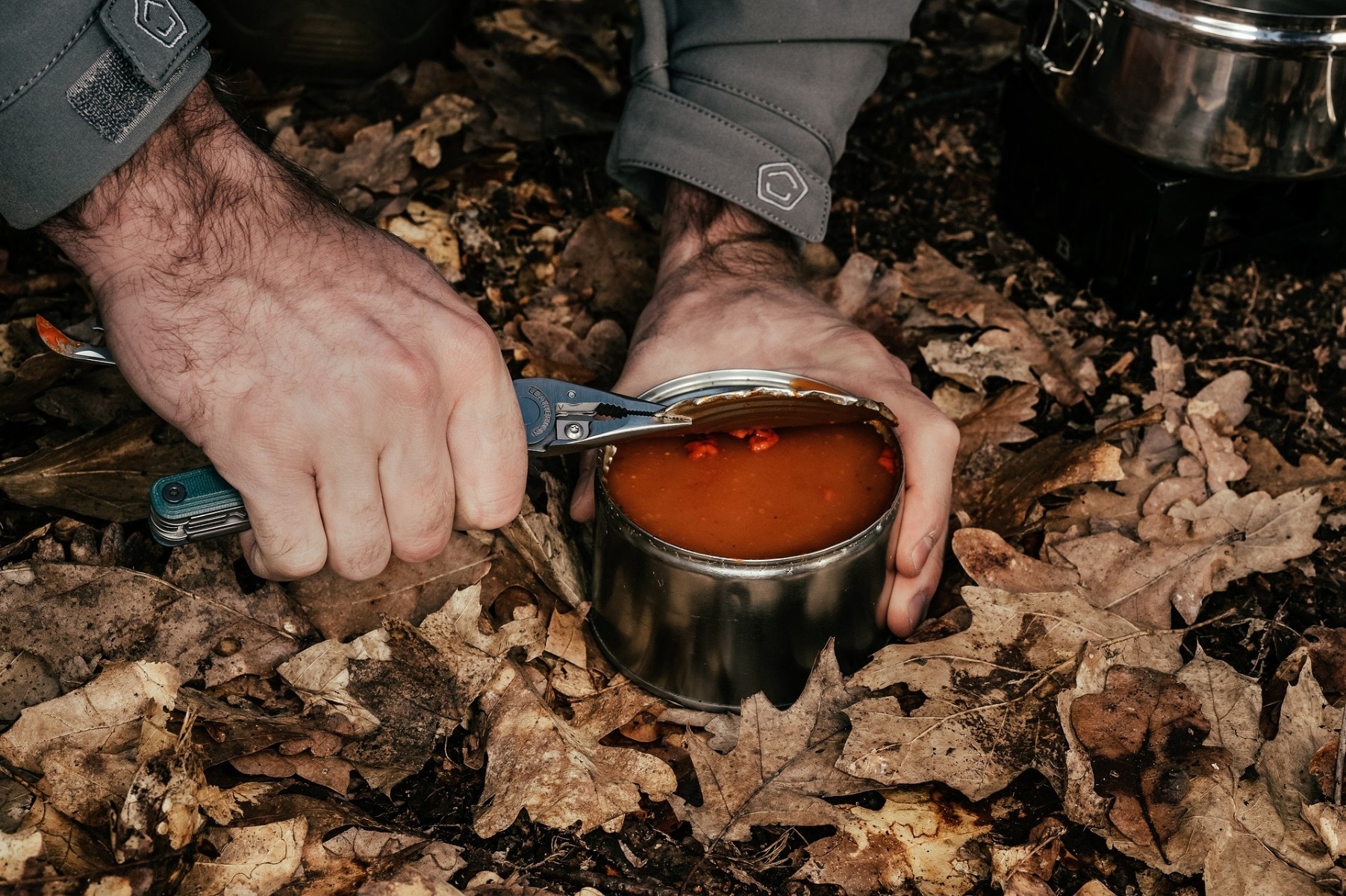
The best products for supplies are those that combine high caloric content, long shelf life, and practical use in the daily diet. This way, they can be regularly rotated, avoid food wastage, and ensure that in a crisis situation, household members receive an adequate amount of energy.



Water filtration systems and safe storage of its supplies at home
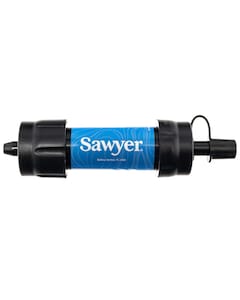
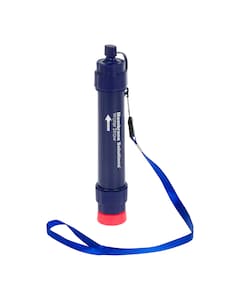
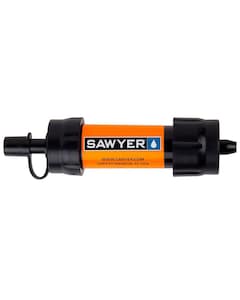
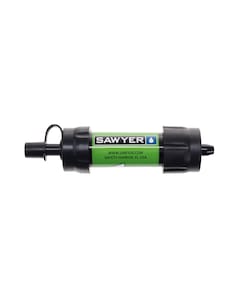
Water is one of the most important elements of home preparations, which is why it is worth having not only its supply but also a way of purifying water from different sources. In practice, tourist filters, filter bottles, purification tablets, gravity filters, or filter jugs can be useful. The choice depends on whether you are preparing for a short-term failure at home, evacuation, or a longer absence of access to safe drinking water.


Necessary equipment: what should a universal prepper's kit include?
A universal prepper's kit should include equipment that helps survive the first hours and days of crisis without access to electricity, water, stores, or basic services. The most important thing is that the equipment is practical, tested, and suited to real needs, not randomly assembled.
In the basic kit, it's worth having:
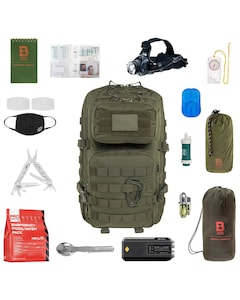
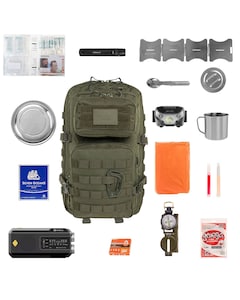
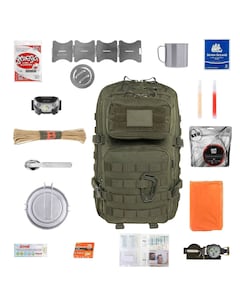
- headlamp and handheld flashlight and spare batteries,
- power bank and charging cables for phones,
- emergency radio, preferably battery-operated, crank, or solar-powered,
- first-aid kit and basic medications,
- water filter or purification tablets,
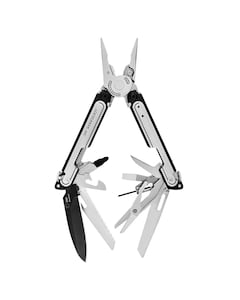
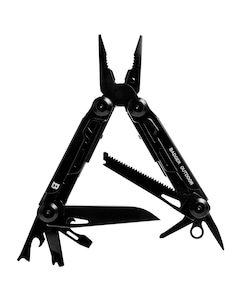
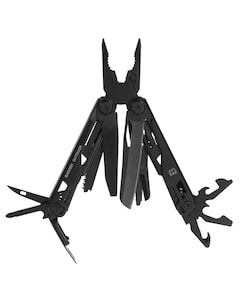
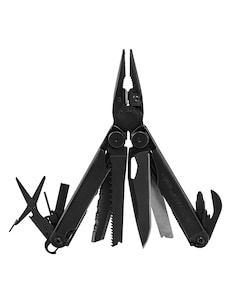
- multitool,
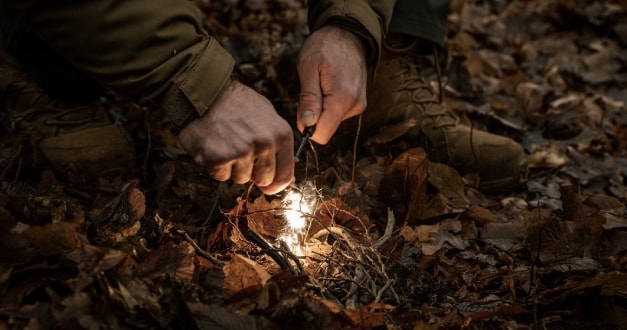
- matches, lighter, and fire starter,
- thermal blanket, gloves, and rainwear,
- duct tape, rope/paracord, and trash bags,
- cash, copies of documents, and saved emergency numbers.
A good prepper's kit should be easily accessible, regularly checked, and ready to use. It's worth dividing it into a home part and a mobile one, i.e., an emergency backpack for the first 72 hours.



Bug Out Bag – mobile kit for the first 72 hours
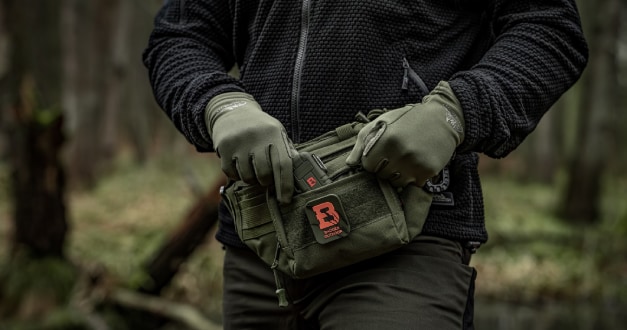
A bug-out bag is a ready emergency kit prepared for a situation in which you need to quickly leave home. It should contain the most important things for the first 72 hours: water, food, first-aid kit, flashlight, power bank, documents, hygiene products, protective clothing, and basic tools. The most important thing is that it is packed in advance, easily accessible, and tailored to the number of household members.
More about assembling such a kit can be found in our separate guide: Evacuation backpack - complete equipment list for crisis time.
Urban prepping – safety in densely populated areas
Prepping is not just for those living in single-family homes, in the countryside or away from the city. In densely populated areas, preparing for a crisis is equally important, and often even more challenging. Residents of blocks and large estates are highly reliant on infrastructure: electricity, elevators, water networks, municipal heating, the internet, public transport, and nearby stores. When any of these elements fail, everyday functioning can quickly become problematic.
In the city, the challenge is also limited space, a larger number of people, possible queues, complicated evacuation, and quick overload of available services. Therefore, urban prepping mainly involves pre-thinking emergency scenarios: what to do in case of a blackout, lack of water, heating failure, payment problems, or the need to leave the apartment. Good preparation does not require a large house or warehouse; it requires a plan, organization, and awareness that a crisis can also affect block, apartment, and city center residents.
Evacuation from the city vs. "Bugging In" (surviving inside the building)
In urban prepping, one of the most important decisions is choosing between evacuation and staying on-site, known as bugging in. Evacuation makes sense when staying in the apartment becomes dangerous, for example, due to fire, flood, contamination, building damage, or an official order to leave the area. However, it requires a prior plan: knowing the exit routes, destination, and way of contacting loved ones.
Bugging-in means staying at home or in the apartment and waiting out the crisis inside the building. This is often a better solution for short-term outages, blackouts, transportation problems, or temporary shortages. It avoids chaos on the roads and in the crowd, but requires preparing the apartment, supplies, and an action plan. The most important thing is not to make decisions under panic, it's better to determine when to stay and when evacuation becomes necessary in advance.
Skills more important than equipment – what is worth practicing?
In prepping, equipment alone is not enough if you don't know how to use it. Therefore, as important as supplies are practical skills that allow you to stay calm and act effectively in a crisis situation. It's worth regularly training primarily:
- first aid and emergency response,
- water purification and conservation,
- safe use of alternative light and heat sources,
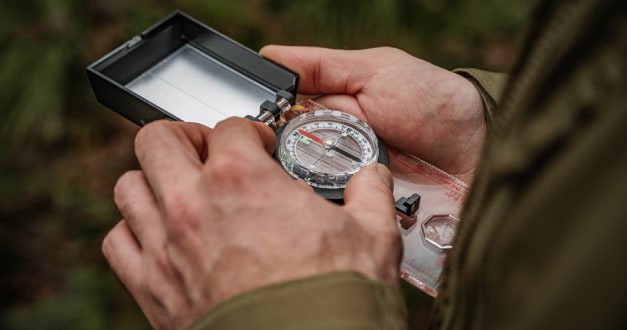
- orientation in the field and evacuation route planning,
- communication without the Internet and phone,
- basic home repairs,
- organization of supplies and food rotation,
- acting under pressure and decision-making in stress.
A good prepper is not the one with the most equipment, but the one who can utilize available resources, assess the situation, and help themselves and others.
Radio communication and alternative sources of information
One of the basic elements of equipment for many preppers are radios and receivers that allow for communication and receive information independently of the mobile network and the internet. Most often, simple two-way radios are chosen for short-distance communication and multiband radios that can receive emergency alerts, weather forecasts, or local service frequencies.
Such equipment can be particularly useful during power outages, telecommunication infrastructure problems, or activities conducted in the field away from the cell network coverage.
Conclusion: Prepping as an insurance policy for the 21st century
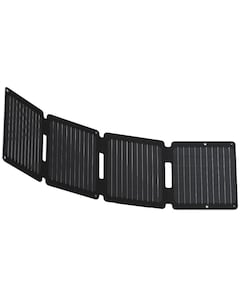
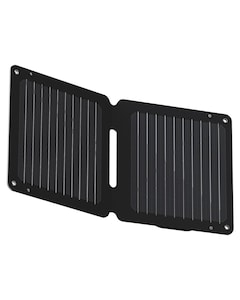
A modern prepper does not collect random things but builds a real safety system for themselves, their family, and home. In our MILITARY store, you will find many products useful in prepping, such as flashlights, power banks, water filters, first-aid kits, emergency food, backpacks, multifunctional tools, thermal blankets, fire starters, solar panels, and outdoor equipment. With them, you can more easily assemble a practical emergency kit tailored to your needs, without chaos, panic, and random purchases.