Česká republika
  Deutschland
  Österreich
  United Kingdom
  Suomi
Suomi  France
  Magyarország
  Italia
  Polska
  România
  Україна
  Europe
Top sleeping bags for sleeping outdoors - ranked
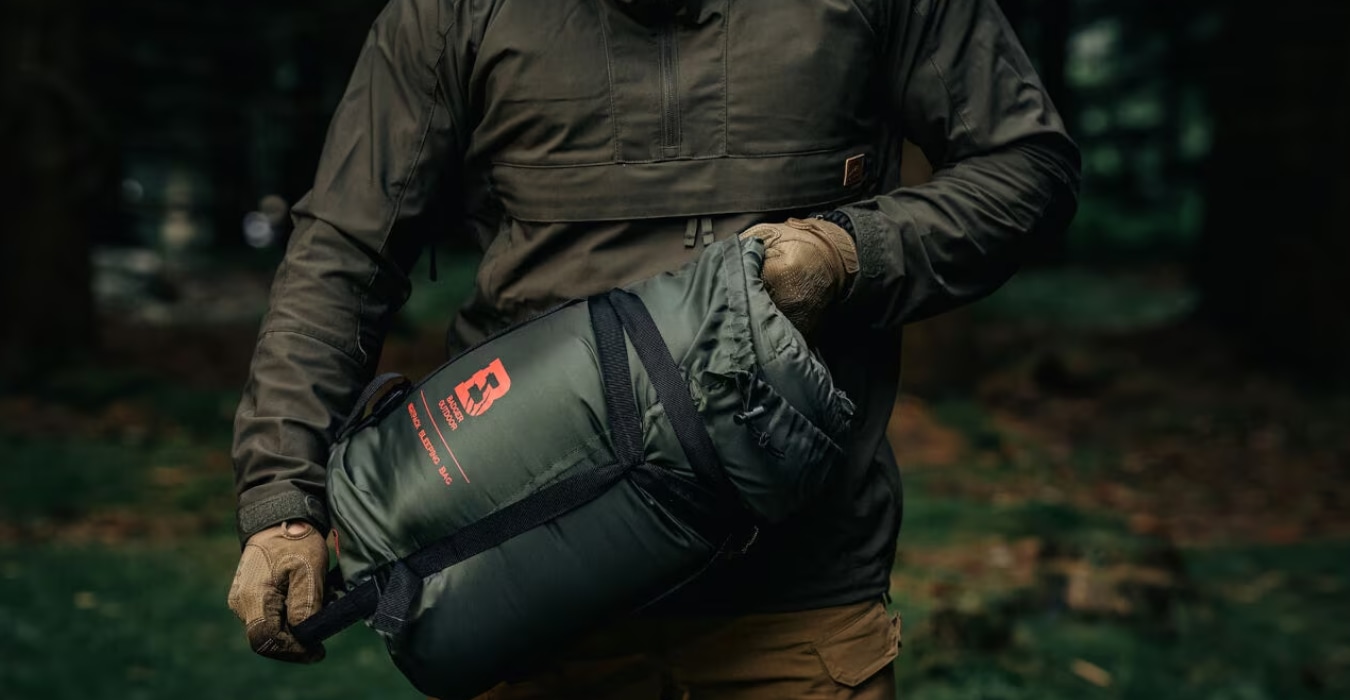
A sleeping bag is an indispensable piece of equipment for every outdoor enthusiast, camper, and hiker. Choosing the right model is crucial for sleeping comfort and thermal safety, especially in changing weather conditions. Our sleeping bag ranking presents the most popular and best-selling models in our store, combining high-quality craftsmanship, effective thermal insulation, and thoughtful design solutions. This will help you learn which sleeping bags are worth adding to your shopping list, whether you're looking for a lightweight and compact model for the summer or a warm winter sleeping bag. We invite you to read and choose the best sleeping bag for yourself.
Sleeping Bags - Best Sellers Ranking
Below we present the ranking of the most frequently chosen sleeping bags from our offer. The order of presented products is random and does not constitute a classification by effectiveness, popularity, or price.
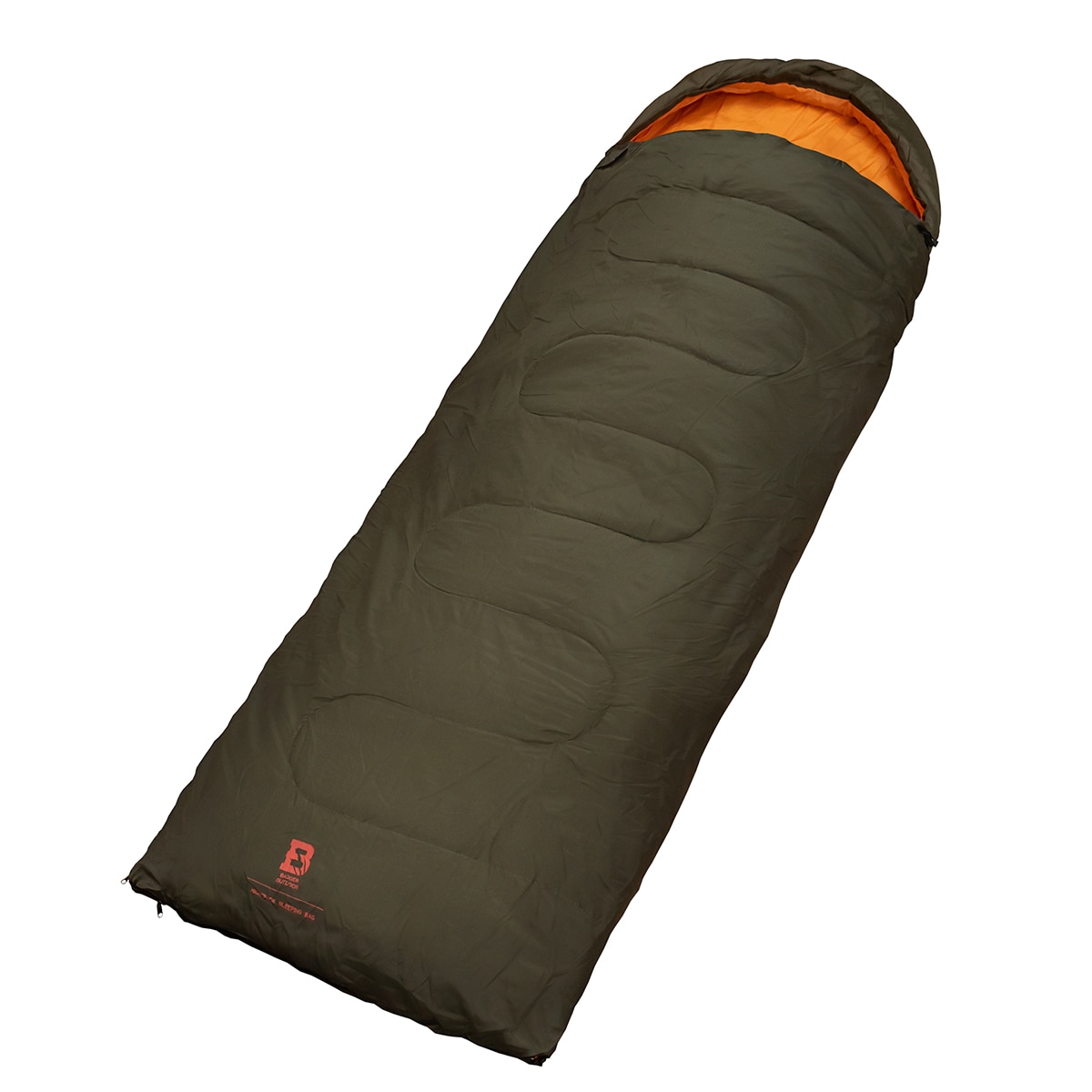
Badger Outdoor Nightpack Sleeping Bag - right
Pros:
|
Cons:
|
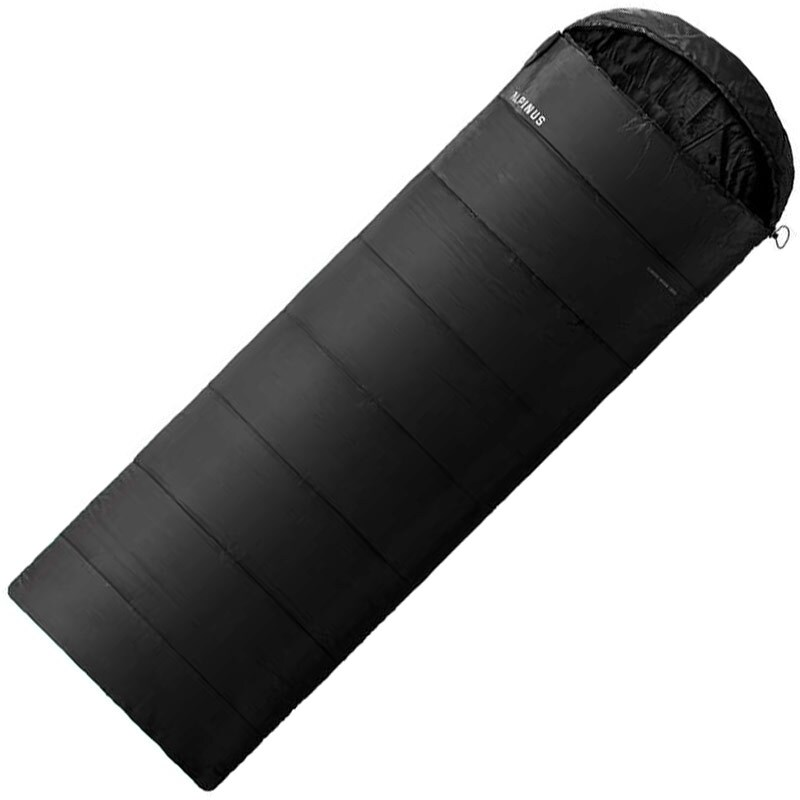
Alpinus Warm 1350 Sleeping Bag Black - right
Warm envelope-style sleeping bag made of 210T polyester and filled with synthetic holofiber insulation. Suitable for spring, summer, and autumn seasons.
Pros:
|
Cons:
|
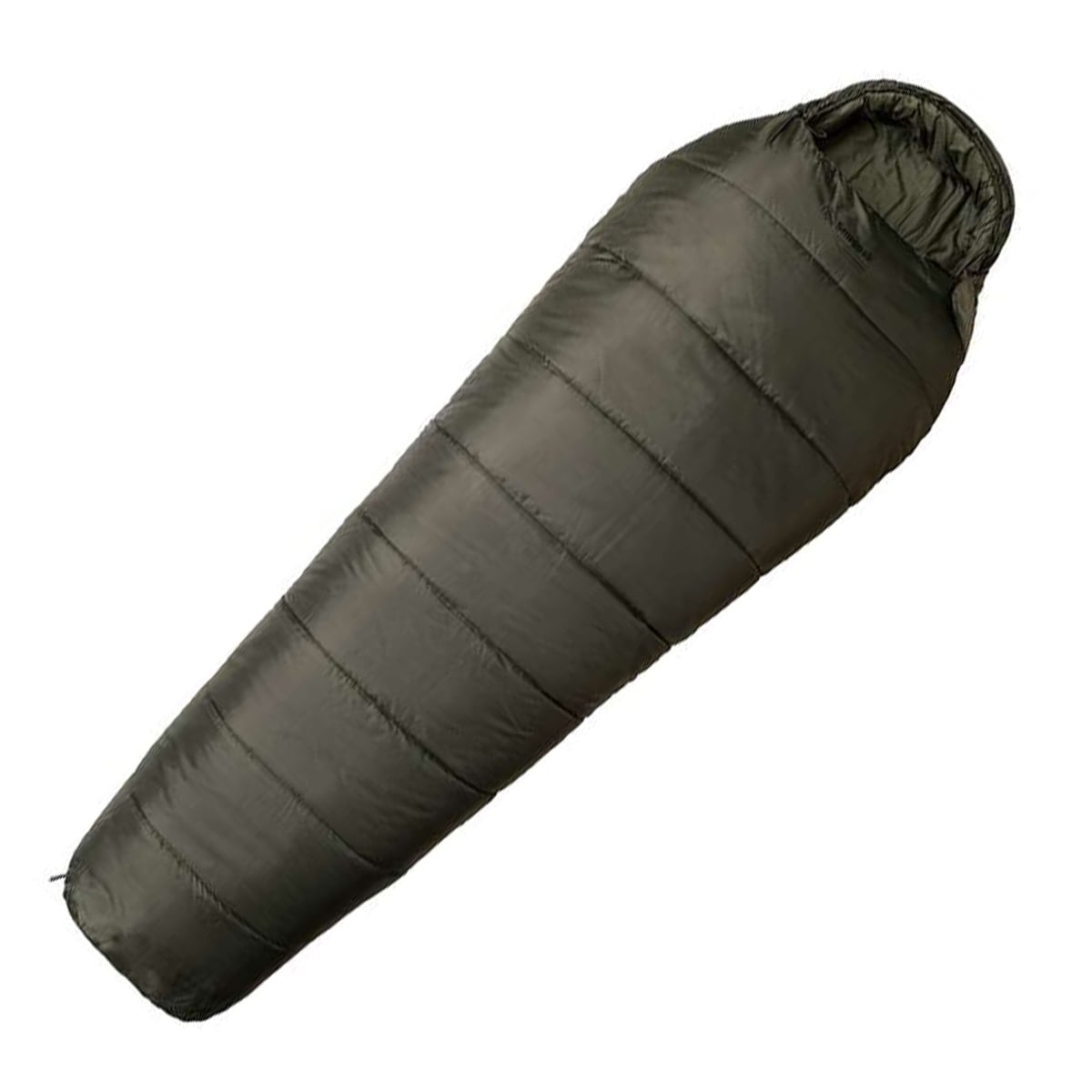
Snugpak Sleeper Extreme Olive Sleeping Bag - left
Compact and warm mummy-type sleeping bag made from proprietary Snugpak materials such as Aqualight, Supersoft, and Isofibre.
Pros:
|
Cons:
|
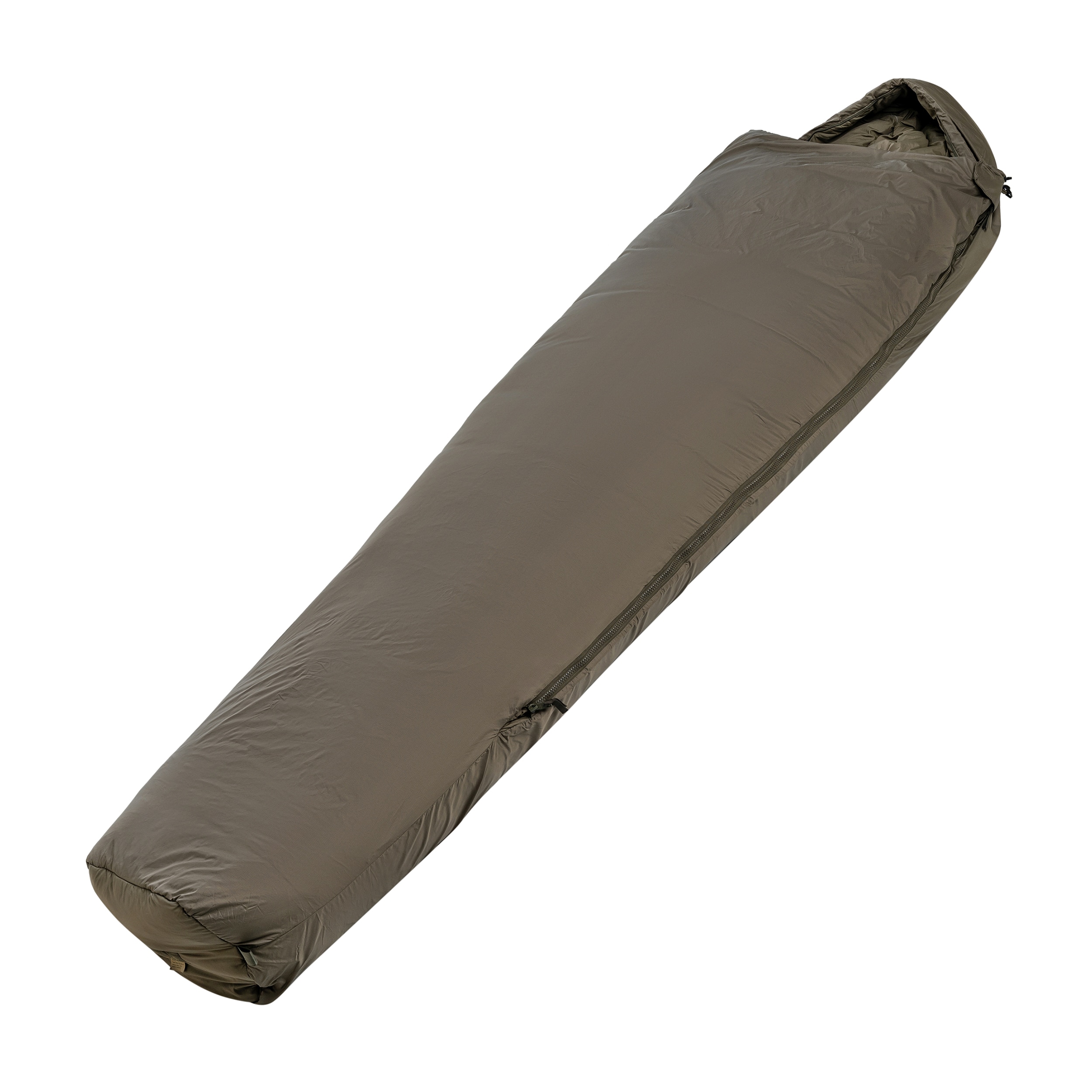
Carinthia Tropen Medium Olive Sleeping Bag - Left
Breathable and compact mummy-type sleeping bag with a built-in mosquito net. The outer layer is made from lightweight, moisture-resistant Shelltrans material, loosely adjoining the inner part, creating an additional insulation layer. The inner layer is made of polyamide, characterized by low liquid absorption and high tear resistance.
Pros:
|
Cons:
|
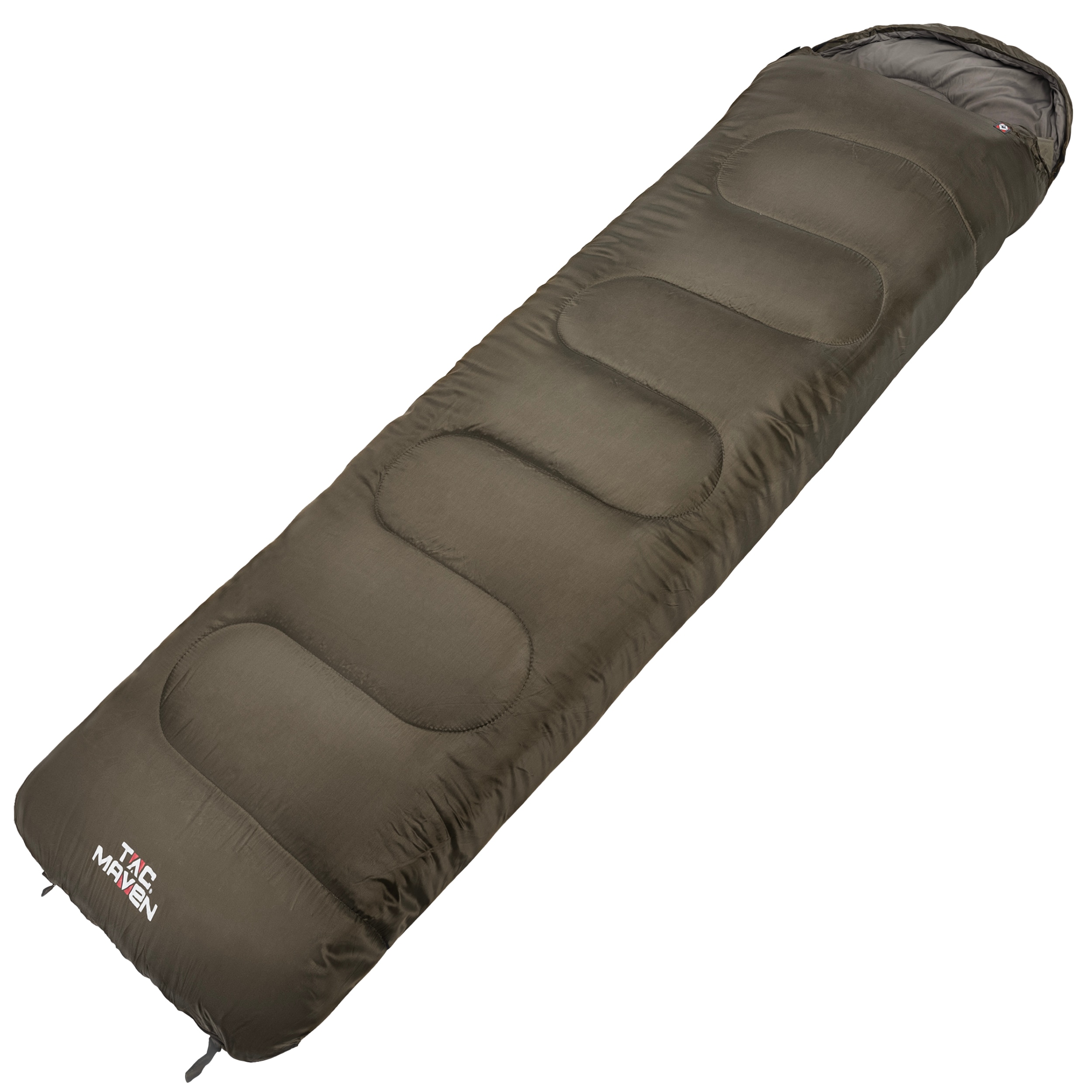
Pentagon Tac Maven Sentinel Sleeping Bag - RAL 7013
Durable sleeping bag, in RAL 7013 shade, with a rectangular, envelope construction, providing comfortable body position and unrestricted movement during sleep. Made of high-quality polyester, equipped with a durable outer shell and synthetic filling.
Pros:
|
Cons:
|
A Good Sleeping Bag - What Should It Feature?
A good sleeping bag is one that provides optimal thermal comfort, durability, ease of use, and ease of transport. Key features to consider include:
Temperature Range
The temperature range of the sleeping bag should be adjusted to the season, planned activities, and weather conditions. According to the EN 13537 standard, manufacturers indicate three key values that facilitate the selection of the appropriate model:
- Comfort temperature (T-comfort) – most important for most users. Specifies the lowest temperature at which an average woman (approx. 25 years old, 60 kg, 160 cm) can sleep comfortably without feeling cold.
- Limit temperature (T-limit) – indicates the lowest temperature at which an average man (approx. 25 years old, 70 kg, 173 cm) can sleep through the night in a curled-up position without waking up from the cold.
- Extreme temperature (T-extreme) – the critical value at which an average woman can survive 6 hours without the risk of freezing to death, but with substantial discomfort and risk of frostbite. It is not a value at which one can sleep comfortably.
In practice, when choosing a sleeping bag, one should primarily be guided by T-comfort, and T-limit should be treated as a safety margin. T-extreme is purely informational.
Type of Filling
Sleeping bags use two main types of insulation: natural down and synthetic fibers. Each solution has its strengths and weaknesses, so the choice should depend on the type of excursions and the conditions in which the equipment will be used.
Natural Down
- Provides the best thermal insulation in relation to weight – down sleeping bags are incredibly lightweight and compress easily, taking up little space in the backpack,
- Great for dry and cold conditions, like in the mountains in winter,
- However, they require protection from moisture – wet down loses its insulating properties,
- Also require special care and washing to maintain their loft and durability.
Synthetic Filling
- More resistant to moisture – even slightly wetted fibers retain some insulating ability,
- Works well in variable weather conditions and high humidity (e.g., camping, kayaking trips, survival),
- Synthetic sleeping bags are usually easier to maintain – they can be washed more frequently and less carefully than down ones,
- The downside is greater weight and size when packed, which can be noticeable on longer treks.
In short: if you value lightness and excellent insulation, and will be sleeping in dry conditions – choose down. If the priority is moisture resistance and easy care, synthetic filling is a better choice.
Sleeping Bag Shape
The choice of sleeping bag shape is crucial for both sleeping comfort and thermal insulation efficiency. The three most common designs are:
Mummy
- Tapers towards the bottom and closely fits the body,
- Provides the best thermal insulation because it minimizes the amount of air to heat,
- Has compact dimensions when packed and is lightweight – hence it's the most common choice for trekking and mountain expeditions,
- However, it restricts movement, which may bother some people.
Rectangular
- Resembles a traditional blanket or quilt,
- Offers more space – allowing for more comfortable positioning and can be entirely unzipped and used as a cover,
- Ideal for summer camping, in cabins or campsites, where comfort and space are more important than maximum insulation,
- Less effective at retaining heat, so it performs worse in cooler conditions.
Semi-circular (envelope with a hood)
- Compromises between rectangular and mummy,
- Offers more room for legs and torso than a typical mummy, while equipped with a hood to reduce heat loss,
- Recommended for those seeking comfort but not wanting to completely sacrifice good insulation.
Materials and Construction
The quality of materials and the way the sleeping bag is made directly affect its durability, resistance to weather conditions, and thermal comfort. It is worth noting a few key elements:
Outer Material
- Should be durable and abrasion-resistant so that the sleeping bag lasts long even with frequent outdoor use,
- It is good if it has waterproof or hydrophobic properties, protecting the filling from moisture,
- At the same time, it should be breathable to wick away excess vapor and prevent overheating.
Inner Lining
- Responsible for comfort against the skin – soft, breathable fabrics are commonly used, which do not irritate,
- Modern materials also help in moisture management and faster drying of the sleeping bag after use.
Seams and Chambers
- Solid seams guarantee durability – they prevent the material from tearing and heat loss,
- Chamber construction (e.g., H-shaped or diamond quilting) prevents the filling from shifting, maintaining even insulation,
- Good stitching also minimizes the risk of cold spots, areas with weaker insulation.
Weight and Size When Packed
These parameters are particularly important for people traveling with a backpack, bicycle, or kayak, where every gram and liter of space is precious.
Sleeping Bag Weight
- Lightweight models (approx. 600–1000 g) are suitable for trekking, mountain expeditions, and anywhere the gear must be carried on the back,
- Heavier sleeping bags are not always a disadvantage – often offering better insulation and durability, appreciated by people camping in one place.
Size When Packed
- Modern sleeping bags, especially down ones, can be very compact – when packed, they can be the size of a 1.5-liter bottle,
- Synthetic models are usually larger and less compressible, but in return offer greater moisture resistance and easier maintenance,
- Manufacturers often include compression sacks for further reducing the sleeping bag's volume in a backpack.
If you're planning long walks, treks, or backpacking trips, pay particular attention to weight and compression capability. For car camping or stays in one place, these parameters are less significant.
Additional Equipment
Construction details often determine the comfort and effectiveness of the sleeping bag in retaining heat. It is worth noting additional elements that enhance comfort:
Hood with Drawstring
- Allows the sleeping bag to fit snugly around the head and neck,
- Protects against heat loss in the most sensitive spot, the neck and face.
Thermal Strip Along the Zipper
- An additional insulation strip along the zipper,
- Prevents heat from escaping and blocks cold air from entering through gaps.
Ability to Connect Two Sleeping Bags
- Useful for couples – two compatible models can be combined into a larger one,
- Increases comfort and provides more internal space.
Drying Loops
- Sewn-in loops enable convenient hanging of the sleeping bag after a night outdoors,
- Facilitate ventilation and drying, extending the life of the gear.
Compression Covers
- Allow for significantly reducing the volume of the sleeping bag during transport,
- Facilitate packing and protect the material from damage in a backpack.
Although they may seem minor, these elements make the sleeping bag more practical and versatile in the field.
Investing in a good sleeping bag is an investment in comfort and safety during every night spent outdoors. Therefore, it is wise to choose a model from reputable manufacturers that meet specific standards and have positive user reviews.
TOP 5 Sleeping Bags - Technical Specification
Below we present a detailed technical specification of the five most popular sleeping bags, making it easy to compare key parameters. This comparison will quickly help you select a model perfectly tailored to your needs and the conditions in which you plan to use the sleeping bag.
| Features/Product | Badger Outdoor Nightpack Sleeping Bag - right | Alpinus Warm 1350 Sleeping Bag Black - right | Snugpak Sleeper Extreme Olive Sleeping Bag - left | Carinthia Tropen Medium Olive Sleeping Bag - Left | Pentagon Tac Maven Sentinel Sleeping Bag - RAL 7013 |
|---|---|---|---|---|---|
| Manufacturer | Badger Outdoor | Alpinus | Snugpak | Carinthia | Pentagon |
| Weight | 1100 g | 1350 g | 2100 g | 1100 g | 1050 g |
| Color/Camouflage | Shades of green | Black | Shades of green | Shades of green | Shades of green |
| Unfolded Dimensions | 220 x 75 cm | 215 x 80 cm | 220 x 80 cm | 220 x 85 x 60 cm | 220 (190+30) x 75 cm |
| Folded Dimensions | 40 x 19 cm | 40 x 20 cm | 30 x 26 cm | 19 x 24 cm | 35 x 24 cm |
| Main Color | Olive | Black | Olive | Olive | RAL 7013 |
| Main Material | polyester 190T | 100% Polyester 210T | Polyester 190D | polyamide | polyester |
| Filling | Synthetic fiber 200 g/m2 | Hollow Fiber | Isofibre | G-Loft | Hollow Fiber |
| Sleeping Bag Side | Right | Right | Left | Left | Right |
| Sleeping Bag Type | Envelope | Envelope | Mummy | Mummy | Envelope |
| T-comfort | 9°C | 5°C | -7°C | 9.4°C | 15°C |
| T-limit | 4°C | 0°C | -12°C | 5.1°C | 10°C |
| Suggested Minimum Temperature | -4°C | -14°C | n/a | -7.9°C | 5°C |
Sleeping Bags - Frequently Asked Questions
What are the basic types of sleeping bags?
- Mummy sleeping bags – form-fitting, providing the best thermal insulation and taking up little space when packed.
- Rectangular sleeping bags (envelope) – spacious, more comfortable in terms of movement freedom, but less thermally insulating.
- Semi-circular sleeping bags (modified mummy) – a compromise between warmth and spaciousness.
How to choose a good sleeping bag for winter conditions?
- An appropriate hood with a drawstring to protect the head from heat loss,
- A thermal strip along the zipper to prevent heat escape,
- High-quality filling (preferably natural down or quality synthetic material),
- Brick-like or similar construction to prevent insulation from shifting.
What do the temperatures listed on sleeping bags mean?
- Comfort temperature is the lowest temperature at which a sleeping bag user will feel comfortable
- Limit temperature is the borderline temperature at which survival is still possible, but comfort may be reduced
- Extreme temperature is the point at which hypothermia may occur. It is important that the sleeping bag has a temperature reserve relative to predicted conditions
Which sleeping bag to choose for an adult?
Is a down sleeping bag better than a synthetic one?
What is the best sleeping bag for summer?
What to consider when choosing a sleeping bag with small dimensions?
Offer of the Best Sleeping Bags at MILITARY
At the MILITARY, you will find a wide selection of the best sleeping bags, suitable for various conditions and seasons. In our ranking, we highlight models that combine high manufacturing quality, thermal comfort, and well-thought-out design solutions. We offer sleeping bags from trusted brands, ideal for both amateur tourists and demanding outdoor enthusiasts.
We offer sleeping bags from brands such as:
- Badger Outdoor
- Pentagon
- Fjord Nansen
- Snugpak
- Bushmen
- Coleman
- Mil-Tec
- And many others.
Thanks to a wide selection of brands, you can be sure that everyone will find a sleeping bag ideal in terms of comfort, quality, and tailored to the specifics of their expeditions.