Česká republika
  Deutschland
  Österreich
  United Kingdom
  Suomi
Suomi  France
  Magyarország
  Italia
  Polska
  România
  Україна
  Europe
How to sharpen a knife? A guide to knife and pocket knife sharpening accessories
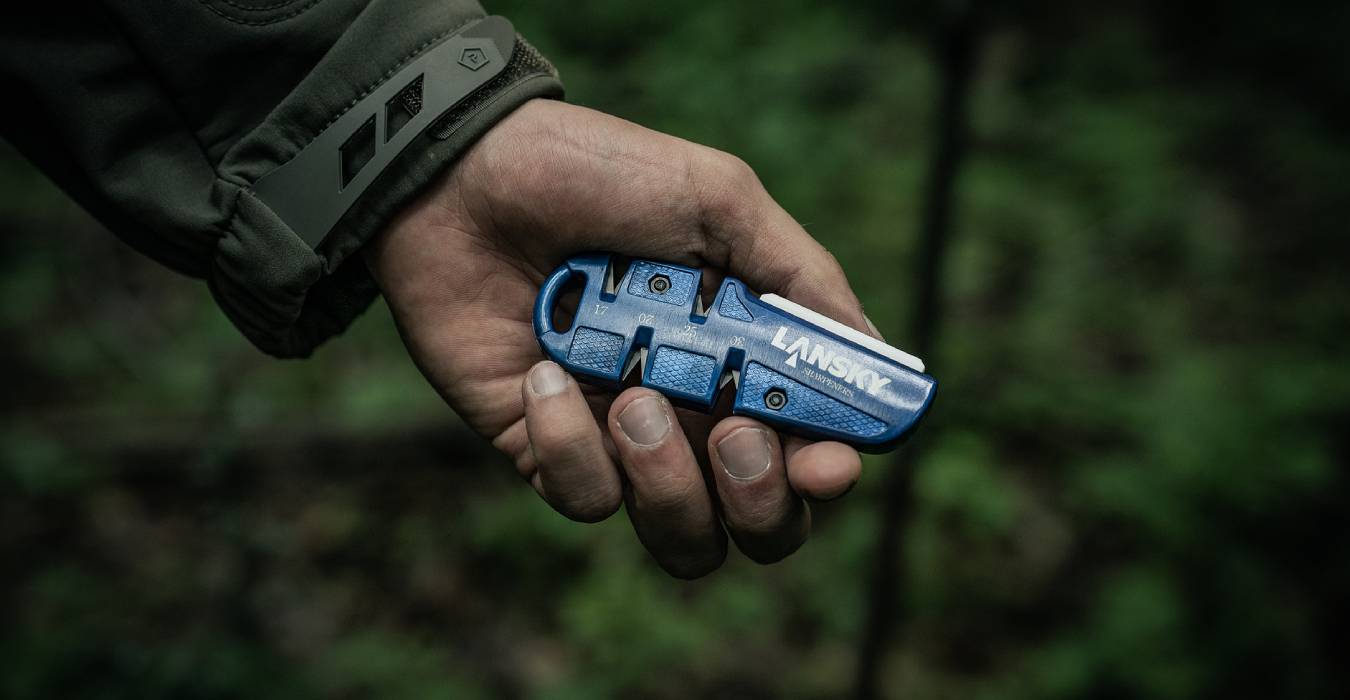
How do you sharpen a knife to restore its edge without damaging the blade? It is a question that anyone who regularly uses kitchen knives, pocket knives, or outdoor blades eventually asks. Choosing the right knife sharpener is only part of the answer — technique, pressure control, and maintaining a consistent knife sharpening angle matter equally. The wrong approach can round the edge, remove too much steel, or leave a burr that makes the blade feel sharp but cuts poorly.
In this guide we explain how to sharpen a knife and how to choose the right sharpening accessory based on the type of blade and your experience. We cover the most popular abrasive surfaces — whetstones, diamond, ceramic, and tungsten carbide — and explain the differences between V-type, rod, compact, electric sharpeners, and precision sharpening systems. We also cover how to use a whetstone correctly and at what angle to sharpen different types of knife.
Types of knife sharpener — sharpening surface
When choosing a knife sharpener, the abrasive material is as important as the shape. The surface responsible for grinding the steel determines how quickly you can work, how much material is removed, and what the final edge feels like. The most common options are whetstones, diamond sharpeners, ceramic sharpeners, and tungsten carbide models.
Whetstones (sharpening stones)
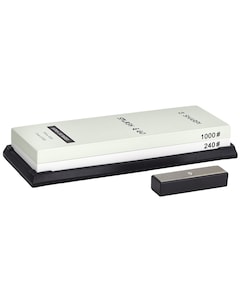
A whetstone — also called a sharpening stone or waterstone — is one of the most traditional and precise tools for sharpening knives. Whetstones can be made from natural or synthetic stone, and their effectiveness depends primarily on grit: the coarser the surface, the more aggressively it removes steel. The key grit ranges and what they are used for:
- 200–600 — for heavily dulled knives, initial sharpening, and repairing a chipped or damaged edge,
- 800–1200 — for standard sharpening of kitchen knives, pocket knives, and outdoor blades,
- 2000–3000 — for smoothing and refining the edge after sharpening,
- 5000 and above — for very precise finishing and polishing, bringing the edge to a razor finish.
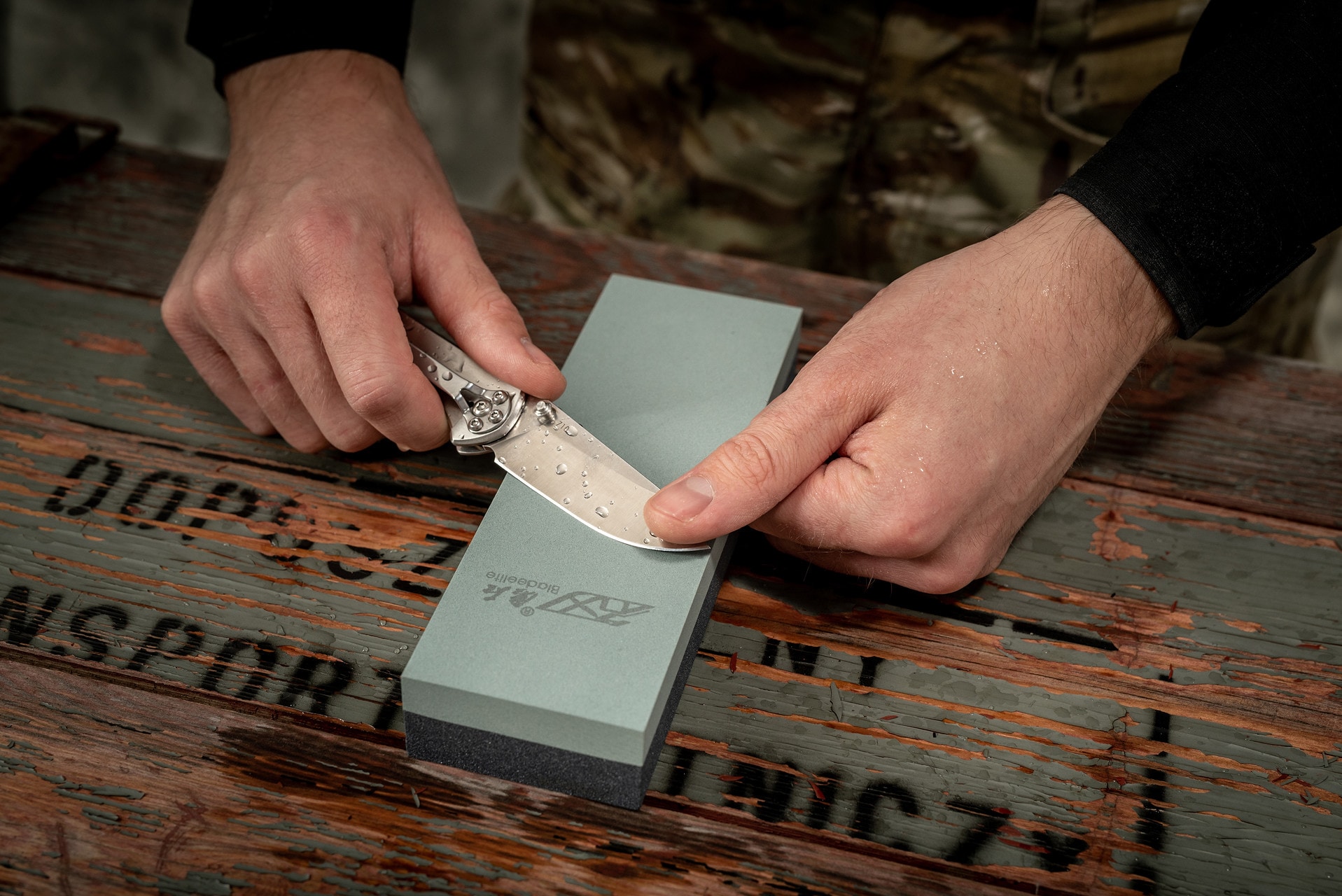
Many whetstones — particularly Japanese waterstones — require soaking in water for several minutes before use until air bubbles stop rising; others use honing oil, and some work dry. During sharpening you must manually maintain a consistent angle throughout each stroke, which takes practice. The reward is exceptional control over the final edge and a finish that most guided sharpeners cannot match.




Diamond sharpeners
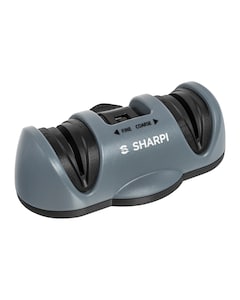
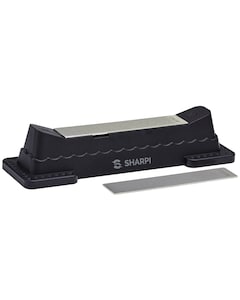
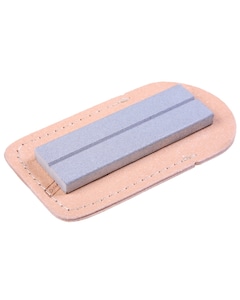
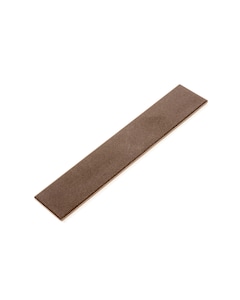
Diamond sharpeners use a surface coated with synthetic diamond particles — the hardest abrasive material available. This makes them particularly effective for high-hardness steels, including modern stainless and tool steels, which can be slow to sharpen on a conventional whetstone.
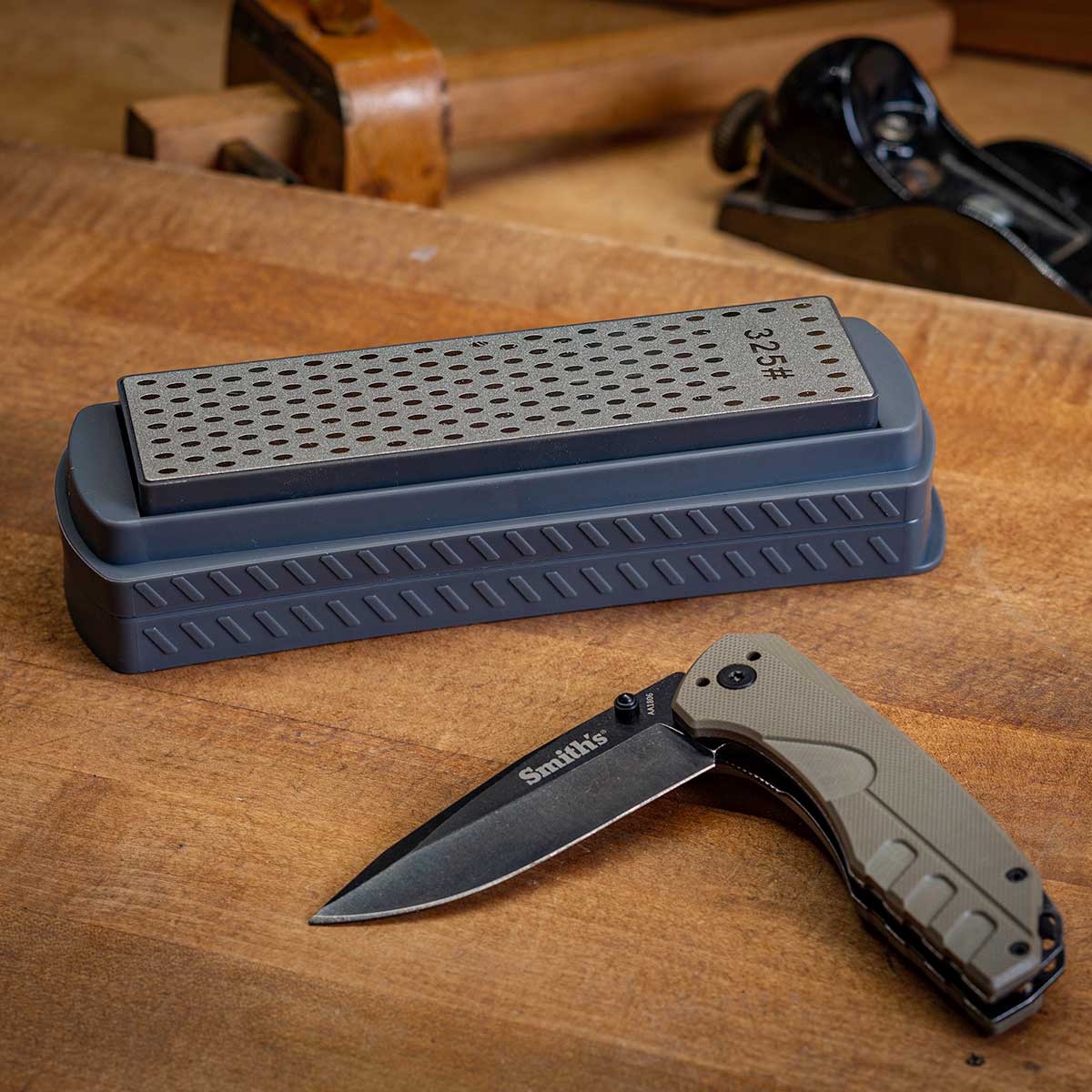
The main advantage of a diamond sharpener is speed — it cuts faster than most natural or synthetic stones and does not require soaking. It is the right choice when a knife is clearly dull or needs a damaged edge restored quickly. Depending on grit, diamond sharpeners range from coarse (aggressive material removal) to fine (honing).
Points to watch:
- excessive downward pressure removes too much steel too quickly,
- coarse grits leave a more aggressive, less refined edge — follow up with a finer stone or ceramic to smooth it,
- with delicate or thin-bladed knives, use light pressure and take your time.


Ceramic sharpeners
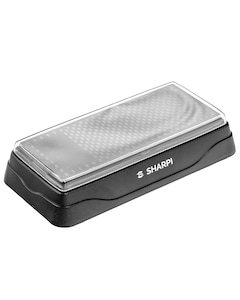
Ceramic sharpeners are primarily for regular honing and smoothing of the cutting edge. Ceramic abrasive is harder than steel but less aggressive than diamond, making it well suited to ongoing maintenance and as a finishing stage after working on a whetstone or diamond sharpener.
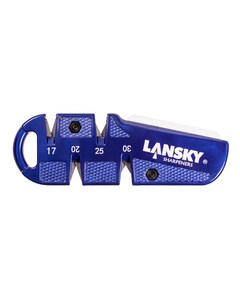
Ceramic sharpening surfaces appear in many forms: rods, V-type pull-through sharpeners, compact field models, and precision sharpening systems. Reach for a ceramic sharpener when a knife is not heavily dulled but has lost its keenness through regular use and needs refreshing rather than reprofiling.


Tungsten carbide sharpeners
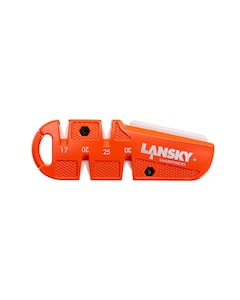
Tungsten carbide pull-through sharpeners are the quickest option for improving a knife's edge. The blade is drawn through a slot between two hard carbide plates that remove a thin layer of steel and form a cutting edge at a fixed angle with minimal effort from the user.
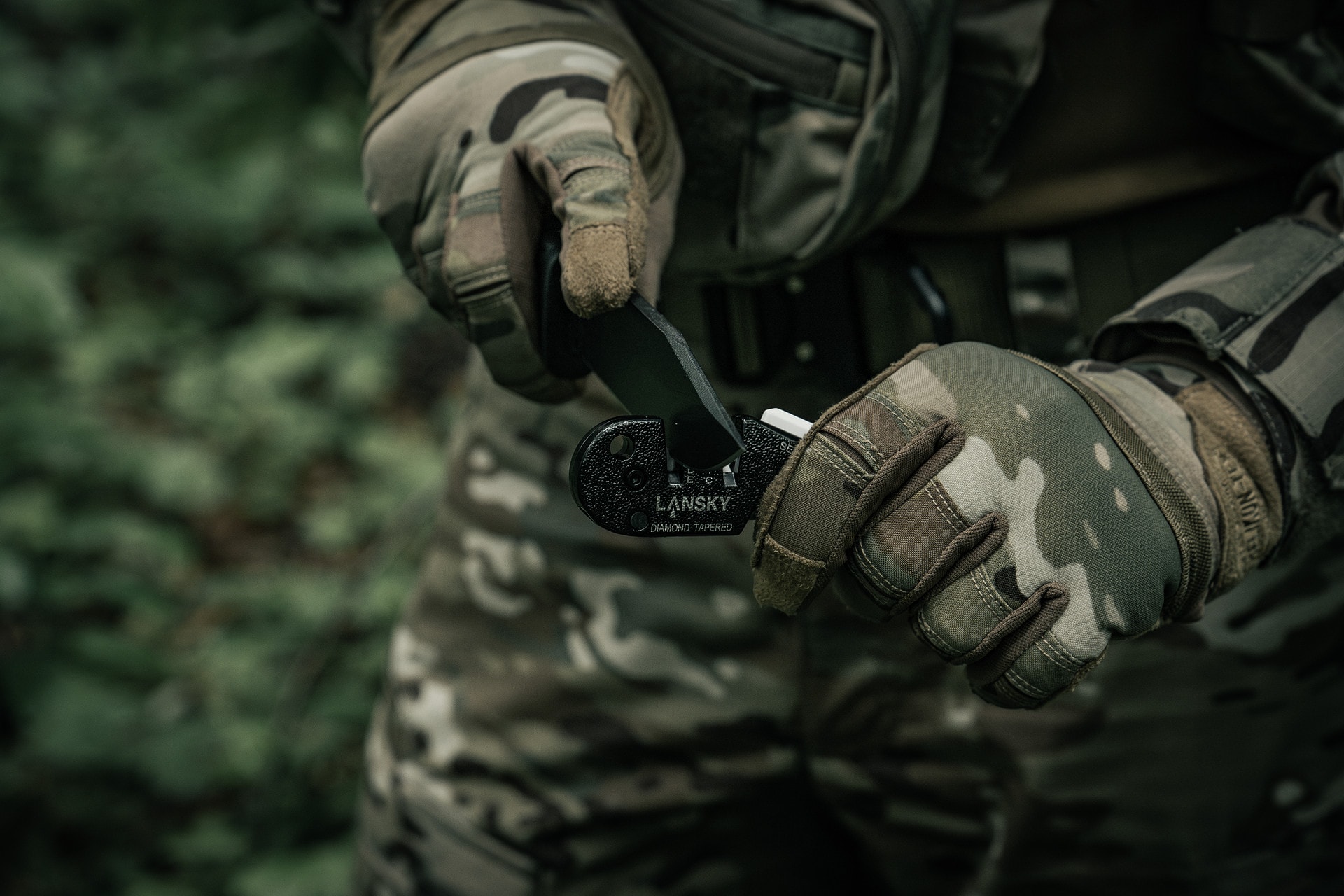
This is a good choice for anyone who wants to quickly touch up a kitchen, work, or outdoor knife without learning more demanding manual techniques. However, tungsten carbide works quite aggressively — used too frequently, it removes more steel than necessary and can shorten a blade's life considerably. For expensive, precision-ground, or Japanese knives, a whetstone, ceramic rod, diamond plate, or sharpening system will produce a better result with less material loss.
Which knife sharpener to choose — a guide by form
Beyond the abrasive material, the physical form of the sharpener determines how easy it is to maintain a consistent angle, whether it is suitable for use in the field, and how much control you have over the result. What works for quick campsite maintenance is different from what you need for precise edge reprofiling at home.
| Type | How it works | Best for | Advantages | Limitations |
|---|---|---|---|---|
| V-Type (pull-through) | The blade is drawn between two elements set at a fixed angle. | Quick honing of kitchen, outdoor, and utility knives. | Simple to use, no technique required, angle is set for you. | Less precise than a whetstone or sharpening system; removes more steel per pass. |
| Honing rod | The knife is drawn along a steel, ceramic, or diamond rod. | Regular edge maintenance and smoothing between sharpenings. | Lightweight, fast, ideal for daily kitchen maintenance. | Requires manual angle control; does not regrind a dull edge. |
| Pocket/field sharpener | Small, often ceramic or diamond, sometimes shaped as a stick or "dog bone". | Pocket knives, folding knives, outdoor blades; EDC and camp use. | Compact, lightweight, easy to carry in a rucksack or on a belt. | Not suited to heavily dulled blades or full reprofiling. |
| Electric sharpener | Motorised abrasive wheels sharpen the blade as it is drawn through a guide. | Fast sharpening of multiple kitchen knives; domestic use. | Very quick and consistent results with no manual technique needed. | Removes more steel than manual methods; not suitable for high-end or Japanese knives. |
| Compact sharpener | Small unit combining one or more sharpening surfaces in a portable form. | EDC, camping, survival kit, car kit, touring. | Portable, practical, good for emergency touch-ups away from home. | Does not replace a whetstone or sharpening system for precision work. |
| Sharpening system | The knife is clamped in a holder; the sharpening element is guided at a precisely set angle. | Precise sharpening of folding, outdoor, and kitchen knives. | Consistent, repeatable angle; excellent edge quality; no guesswork. | Takes longer to set up; not suited to fieldwork. |
For quick everyday maintenance, V-type pull-through sharpeners, compact models, or tungsten carbide tools are the most practical. For regular upkeep, a honing rod or ceramic sharpener is the right choice. For precise reprofiling — especially of better knives made from harder steels — a whetstone or a sharpening system will produce a noticeably superior result.
How to use a whetstone — step-by-step knife sharpening
Learning how to use a whetstone takes more patience than reaching for a pull-through sharpener, but the control and quality of the finished edge make it worth the effort. Three things matter: the right grit for the condition of the edge, stable blade movement, and a consistent sharpening angle throughout every stroke.
Before starting, check whether the stone requires soaking in water — many synthetic waterstones and Japanese-style stones should be submerged for five to ten minutes until air bubbles stop rising from the surface. Others are used with a few drops of honing oil, and some work dry. Place the stone on a non-slip surface — a damp cloth, a dedicated stone holder, or a rubber mat all work well.
Step-by-step whetstone sharpening
- Prepare the whetstone
Soak, oil, or use dry according to the manufacturer's instructions. Place it flat on a stable, non-slip surface at a comfortable working height. - Choose the right grit
A heavily dulled or chipped blade needs a coarse grit (400–600) first. For routine sharpening of a reasonably maintained edge, 800–1200 is usually sufficient. Use a fine grit (2000+) to refine and polish once the edge is established. - Set the sharpening angle
Place the blade on the stone at a consistent angle — typically 15–20° per side for kitchen knives, 20–25° for outdoor and pocket knives (see the angle guide below). Maintaining this angle throughout every stroke is the most important skill to develop. - Sharpen with smooth, even strokes
Move the blade across the stone in a smooth, sweeping arc from heel to tip, as if slicing a thin layer from the stone surface. Use light, consistent pressure — it is angle and movement that create the edge, not force. - Sharpen the other side
After a set number of strokes on one side, turn the knife over and repeat on the other. Match the number of strokes on both sides to keep the bevel even. - Refine on a finer grit
Once the edge is established on the coarser stone, move to a finer grit and repeat the process with lighter pressure. This removes the burr and polishes the edge for cleaner, smoother cuts. - Clean and test
Wipe the blade and stone clean of steel residue. Test sharpness by slicing through a sheet of paper or cutting a thin piece of cord — a sharp edge should cut cleanly with no tearing. Do not test sharpness by running a finger directly along the cutting edge.
For beginners, maintaining a consistent angle is the hardest part. An angle guide clip — which holds the blade at the correct angle while resting on the stone — can help while you develop the feel for it. Practising on an inexpensive knife before sharpening a better blade is a sensible approach.
Knife sharpening angle — which angle for which knife?
The knife sharpening angle directly affects edge sharpness, durability, and cutting behaviour. A smaller angle produces a thinner, keener edge that slices with less effort — but it is more fragile and will chip under hard use. A larger angle is more robust and suited to heavy tasks, at the cost of some cutting precision.
Sharpening angles are typically quoted per side — so a 20° per side angle produces a total included angle of 40° at the edge.
| Type of Knife | Recommended Angle (per side) | Notes |
|---|---|---|
| Kitchen knives | approx. 15–20° | Keen, precise edge well suited to slicing vegetables, meat, and fish — but more easily damaged if used on hard materials. |
| Japanese kitchen knives | 10–15° (sometimes single-bevel) | Very fine edge; sharpened to a smaller angle than European-style knives. Requires a fine whetstone and careful technique. |
| Pocket and folding knives | approx. 18–22° | A versatile range that balances sharpness and durability for everyday carry use. |
| Outdoor and survival knives | approx. 20–25° | More robust edge suited to camp tasks, batoning, and general outdoor work where the blade takes more abuse. |
| Heavy-duty work knives | approx. 22–30° | A durable edge for chopping, whittling, and tasks requiring sustained force; sharpness is secondary to longevity. |
For most users, sticking to 20–25° per side for outdoor and pocket knives and 15–20° per side for kitchen knives covers the vast majority of situations. Hitting an exact figure to the nearest degree is less important than maintaining the same angle consistently throughout the sharpening process — a blade sharpened at a steady 22° will perform better than one sharpened erratically between 15° and 30°.
One practical tip: if you are unsure of the existing angle on a knife you have not sharpened before, use a permanent marker to blacken the bevel, make a few strokes on the stone, and check where the marker has been removed. This quickly shows whether you are working at the right angle.
Knife sharpening accessories at MILITARY
The MILITARY range includes knife sharpening accessories for every level of experience and every type of blade — from simple pull-through sharpeners for quick field honing to whetstones, diamond plates, ceramic rods, and precision sharpening systems. Whether you are maintaining a pocket knife, a kitchen blade, or an outdoor knife, there is a sharpener suited to the task. When choosing, consider the abrasive material, the grit range, how easy the tool makes it to maintain the correct angle, and whether you need something compact enough to carry in the field or a more capable bench tool for use at home.