Česká republika
  Deutschland
  Österreich
  United Kingdom
  Suomi
Suomi  France
  Magyarország
  Italia
  Polska
  România
  Україна
  Europe
Camping Essentials Checklist: Everything You Need to Pack
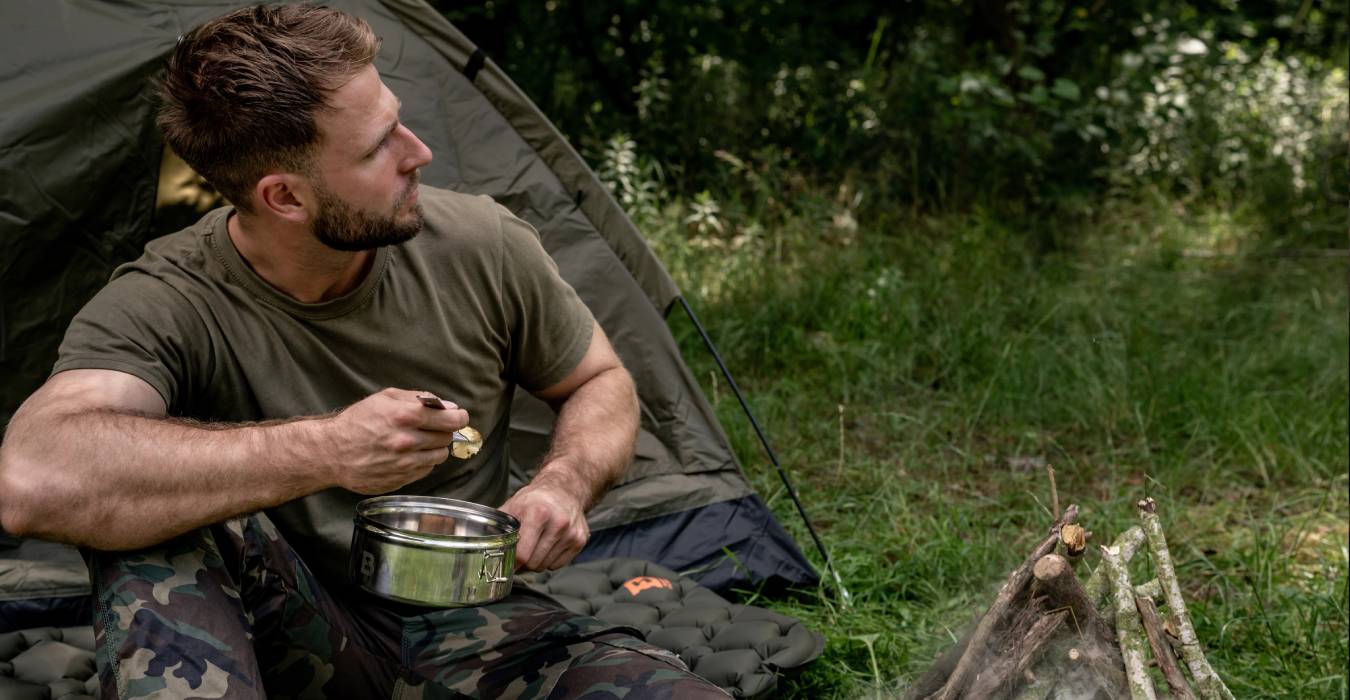
A great camping trip lives or dies by what you packed — and what you forgot. One missing tent peg, a sleeping bag that's too thin for a chilly British night, or a flat torch battery can turn an adventure into a long, damp ordeal. This camping essentials checklist walks you through everything you need, grouped into clear categories so you can tick items off as you pack. Whether it's your first overnighter, a family weekend, or a festival pitch, use it to leave home fully prepared.
In short (TL;DR)
- Shelter and sleep first — tent (with pegs, guy ropes and a mallet), a 3-season sleeping bag and an insulated mat are non-negotiable.
- Kitchen and water — stove with fuel, cookware, tableware and a way to carry or purify water.
- Light and power — a head torch (plus spare batteries) and a power bank for your phone.
- Safety and tools — first aid kit, knife or multitool, whistle and repair tape.
- Clothing — dress in layers and always pack a waterproof; British weather changes fast.
- UK extras — midge repellent for Scotland and the north, and check campsite rules on fires and electric hook-up.
How to use this camping essentials list
The secret to stress-free packing isn't taking more — it's taking the right things. Work through the categories below one at a time rather than trying to hold it all in your head. Pack the heavy, bulky essentials first (shelter and sleep system), then build out from there. A quick tip: lay everything out before it goes in the bag, so you can see any gaps at a glance.
Shelter and sleep system
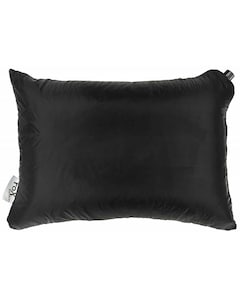
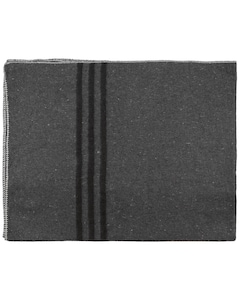
This is the non-negotiable part of any camping packing list. Get it right and everything else is a bonus; get it wrong and no amount of clever gadgets will save the night.




Cooking, water and kitchen
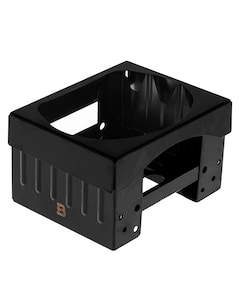
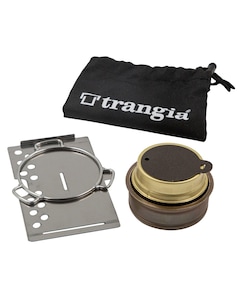
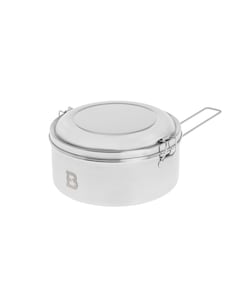
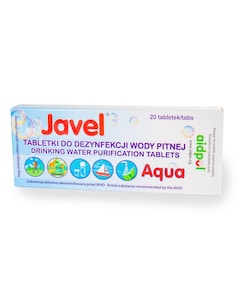
A hot meal and a brew can rescue any soggy afternoon. Keep your cooking kit simple but complete — this section covers the camping essentials for food and water that most people underpack.



Lighting, power and navigation
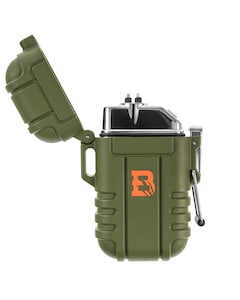
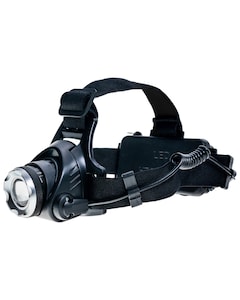
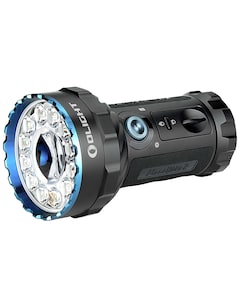
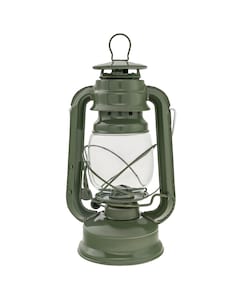
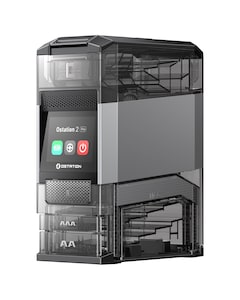
Once the sun goes down, reliable light keeps you safe and saves your sanity. Add a way to navigate and stay reachable — phone signal is unreliable on many UK campsites.

First aid, safety and tools
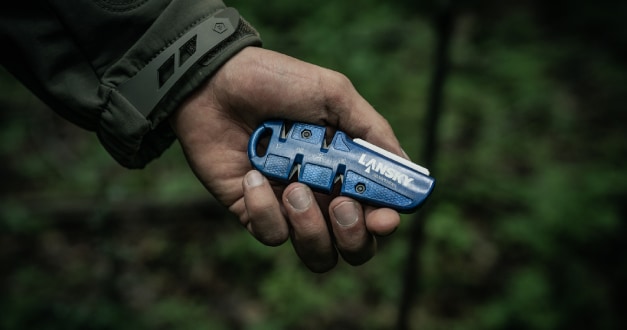
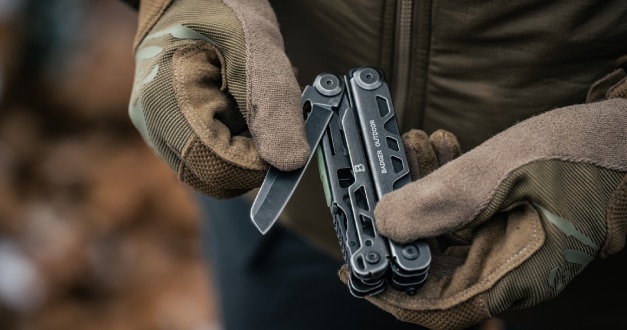
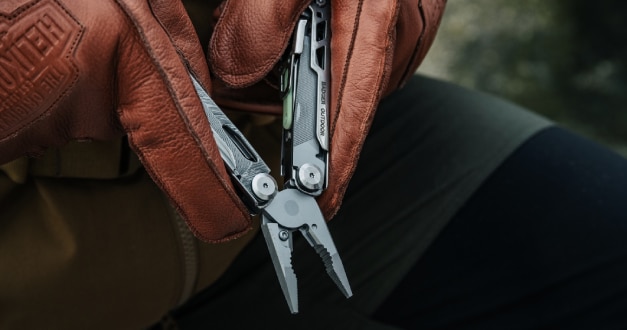
Most camping mishaps are minor — blisters, small cuts, a broken pole — but only if you're equipped to deal with them on the spot. A multitool or camping knife earns its place on every trip.
Need a hand fitting it all in? Our guide on how to pack a backpack shows you how to balance the load and keep essentials within reach.
Clothing for British weather
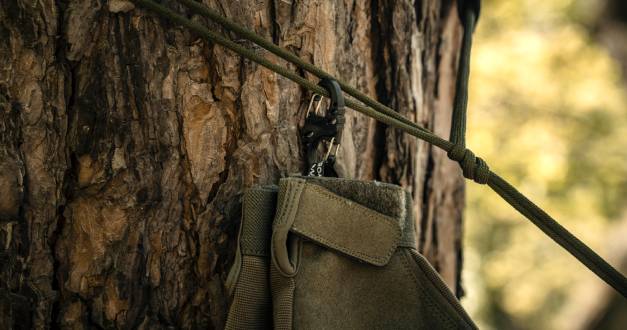
If there's one rule for the UK, it's this: dress in layers and always pack a waterproof. You can get four seasons in a single afternoon, so flexibility beats bulk. Build your clothing around a moisture-wicking base layer, a warm mid-layer such as a fleece, and a waterproof, windproof shell on top. Pack thermal base layers for spring and autumn nights, and bring more socks than you think you'll need — dry feet make a huge difference. A hat and gloves weigh almost nothing and earn their place when the temperature drops.
Hygiene and personal items
Most UK campsites have decent facilities, but you'll want your own basics for comfort: toiletries, a quick-dry towel, wet wipes, hand sanitiser, and any personal medication. Add sunscreen and a refuse bag to pack out your rubbish, and you're sorted.
UK-specific camping essentials worth knowing
A few details make all the difference on British soil:
- Midges — in the Scottish Highlands and the north between roughly May and September, a good midge repellent is as essential as your sleeping bag. Smidge and Avon Skin So Soft are popular choices.
- Ticks — carry a tick removal tool in your first aid kit, especially when camping in woodland or moorland.
- Weather — never trust a sunny forecast; a waterproof jacket and a tarp for extra shelter are always worth the space.
- Electric hook-up (EHU) — some campsites offer or require a hook-up lead, so check before you travel and pack the cable if needed.
- Fire rules — many sites forbid open fires; confirm the rules before you go and always bring a stove for cooking.
You'll find tents, sleeping bags, stoves, lighting and the rest of your camping essentials in our survival, bushcraft and tourism category.
Camping essentials — frequently asked questions
Your shelter and sleep system come first: a tent with all its pegs and poles, a 3-season sleeping bag and an insulated mat. After that, prioritise a stove with fuel, a water carrier, lighting, a first aid kit and weather-appropriate layered clothing with a waterproof shell.
Stick to the essentials and don't over-buy. A reliable tent, sleeping bag, mat, camp stove, head torch, first aid kit, layered clothing with a waterproof, and basic cooking and water gear will cover almost any UK campsite trip. Work through this checklist section by section and tick off as you go.
A 3-season sleeping bag is the safest all-round choice. UK summer nights can still drop to 7–8 °C in Scotland, Wales and the north, so choose a bag rated a little warmer than you expect to need. For late autumn or winter camping, a 4-season bag is worth the investment.
The core list is the same, but add water purification tablets or a filter, a navigation kit (map and compass), and extra emphasis on leaving no trace — pack out everything you bring in. Always tell someone your route and expected return, and carry a charged power bank and an emergency whistle.
A few things make a big difference on British soil: a good midge repellent for Scotland and northern England (May to September), a tick removal tool for woodland and moorland trips, a windbreak for exposed coastal pitches, and wellies or waterproof footwear for muddy campsites. An EHU (electric hook-up) cable is also worth packing if your pitch has power.
Absolutely. A multitool is one of the most versatile items on any camping essentials list — it handles food prep, gear repairs, opening tins, tightening loose screws on camp furniture, and dozens of other small jobs. A compact model with a knife, pliers, screwdrivers and a file adds very little weight and replaces a handful of individual tools. See our full range of camping multitools at MILITARY.