Česká republika
  Deutschland
  Österreich
  United Kingdom
  Suomi
Suomi  France
  Magyarország
  Italia
  Polska
  România
  Україна
  Europe
Best microscopes ranked - which one to buy?
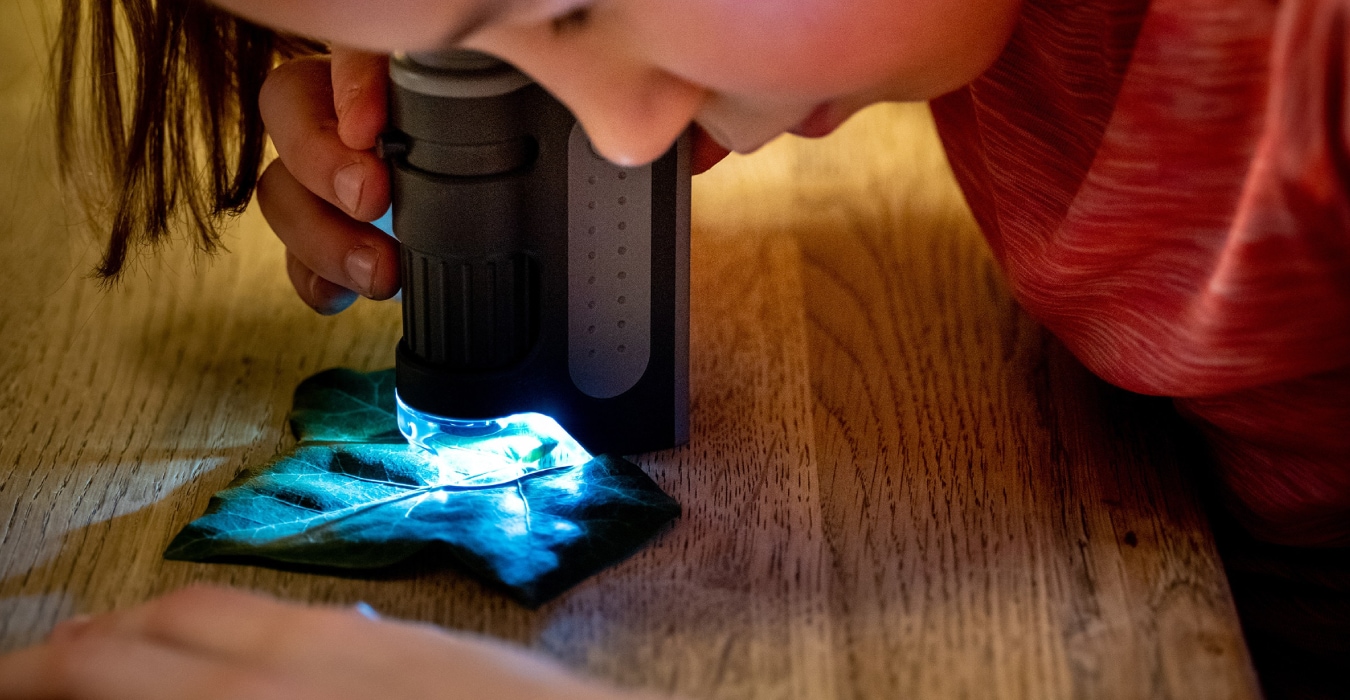
A microscope is a tool that opens the door to the fascinating world invisible to the naked eye. For those starting their journey in microscopy—students, science enthusiasts, or anyone looking for valuable educational equipment—choosing the right model can be a challenge. The market offers numerous microscopes that vary in parameters, applications, and price—from compact pocket models to classic biological microscopes. In our ranking, we present five carefully selected microscopes that are perfect for beginner users.
Microscope Ranking for Beginners
Below we present the ranking of the most frequently purchased microscopes from our offer. The order of the presented products is random and does not represent classification by effectiveness or price.
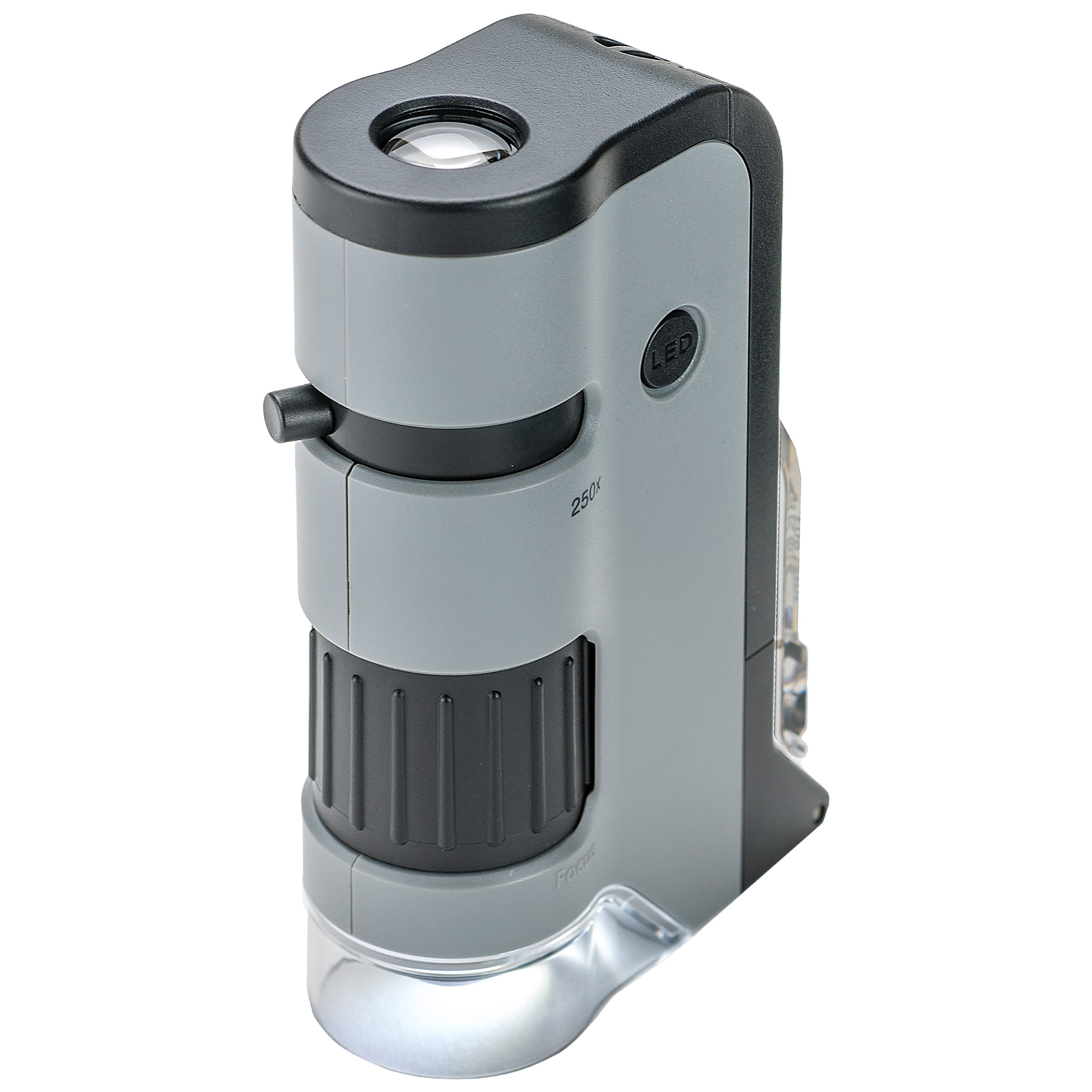
Microscope Carson Microflip LED 100-250x
A pocket microscope with high magnification of 100-250x. The aspheric lens system ensures the highest level of image quality. The microscope includes a small LED light with a UV flashlight, ideal for verifying the authenticity of documents and searching for organic substances in the dark. The product is powered by one AA battery (not included).
Pros:
|
Cons:
|
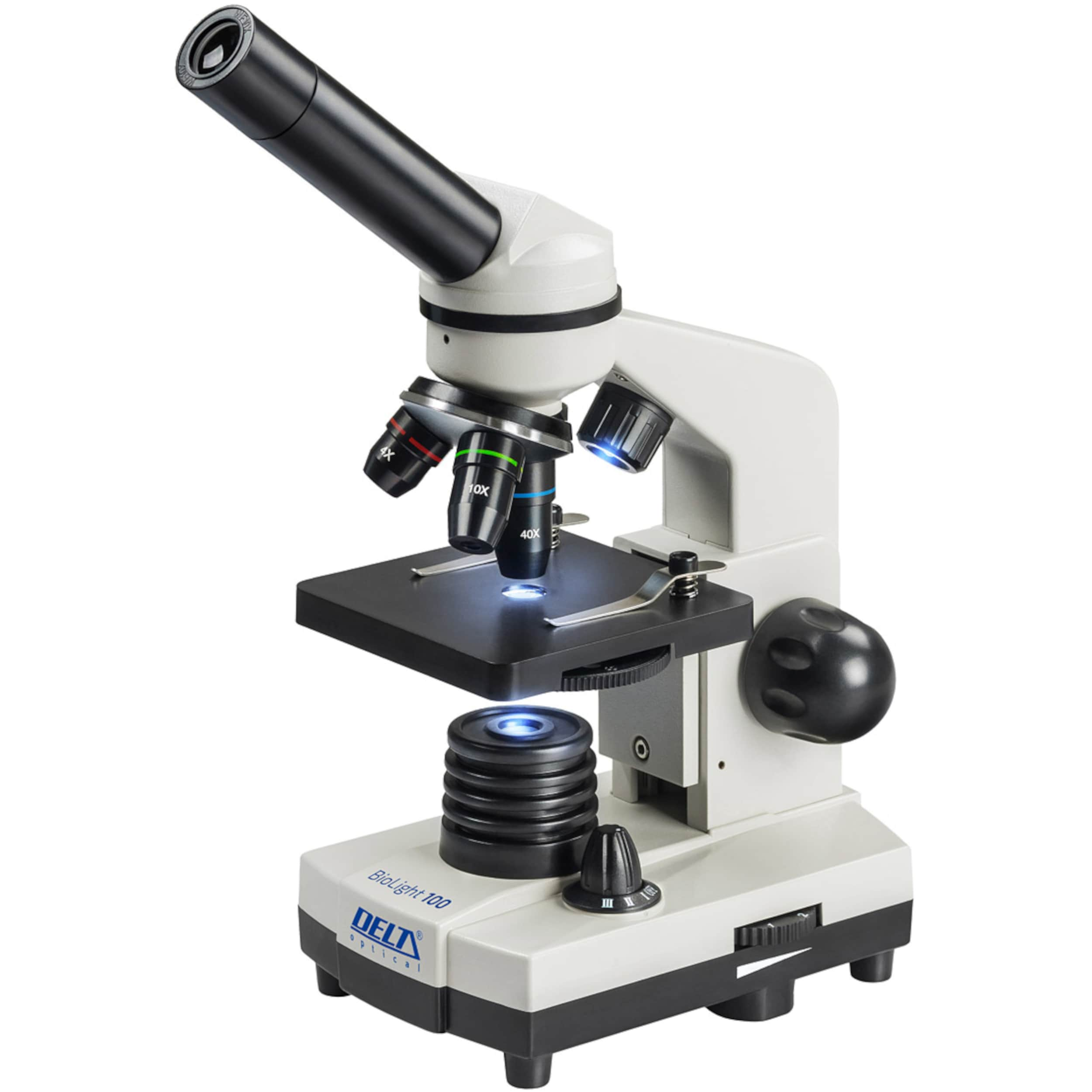
Microscope Delta Optical BioLight 100 - white
Easy to use microscope intended for beginners and as an educational tool. The ability to power it with batteries makes it perfect for field research expeditions. Three lenses provide magnification in the range of 40 - 400x.
Pros:
|
Cons:
|
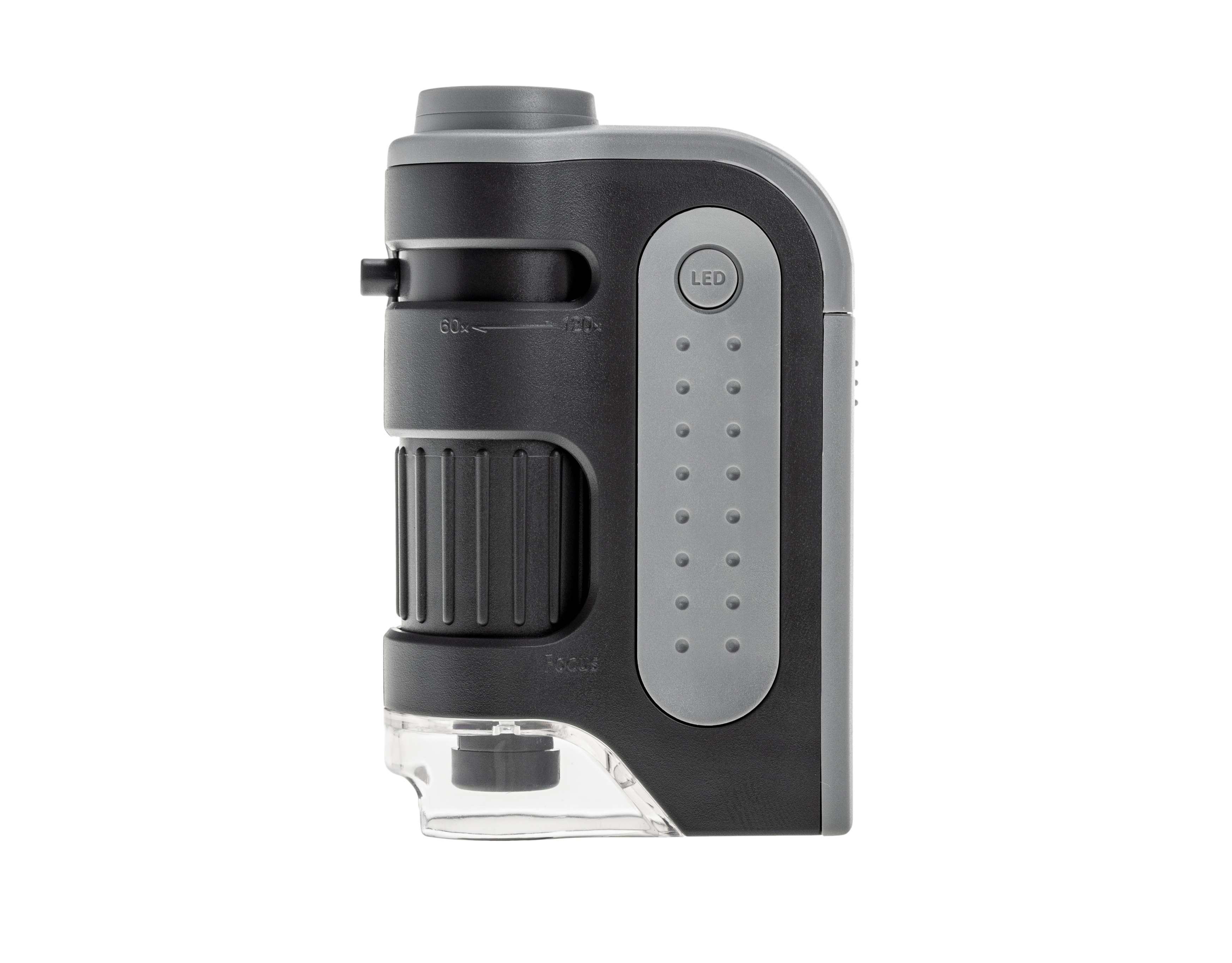
Pocket Microscope Carson MicroBrite Plus 60-120x
A pocket microscope with high magnification of 60-120x. An invaluable tool that will easily enhance any training, biology lesson, or presentation. It is equipped with a built-in LED diode that ensures a bright and clear image. It is powered by one AA battery.
Pros:
|
Cons:
|
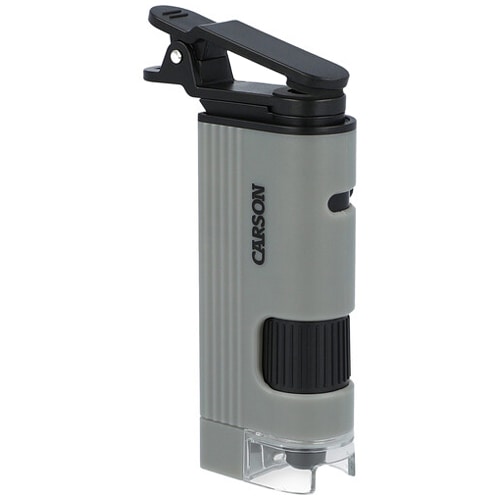
Pocket Microscope Carson MicroPic High-Resolution 120-240x
Pocket microscope with magnification of 120-240x. The MicroPic model has built-in LED lighting with two adjustable brightness levels, allowing for the search of organic substances, study of coins, or smaller living organisms.
Pros:
|
Cons:
|
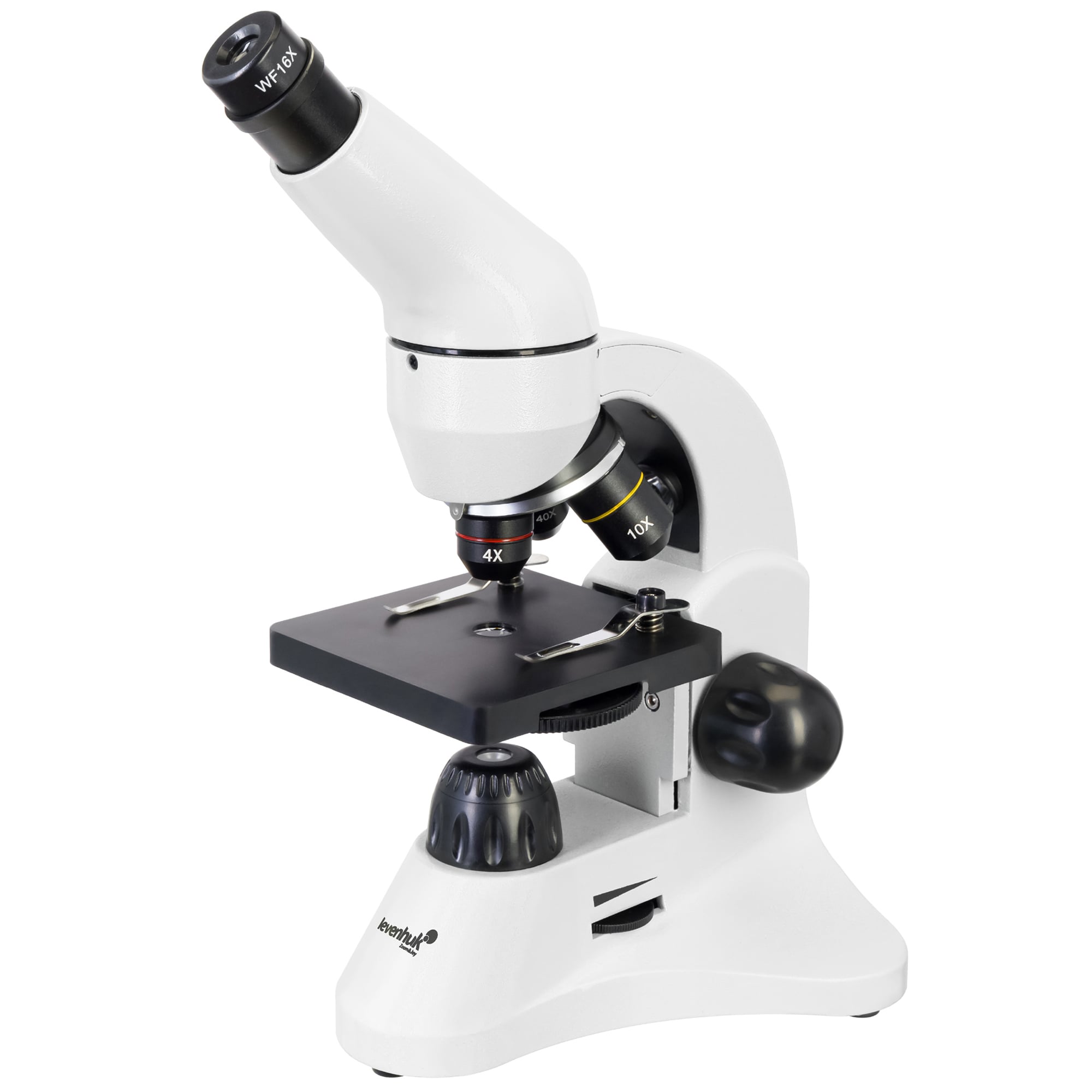
Microscope Levenhuk Rainbow 50L Plus - Moonstone
Biological microscope intended for amateur and professional use. Equipped with high-quality optics that provide bright, clear, and contrast images of observed samples.
Pros:
|
Cons:
|
A Good Microscope for Beginners — What Characterizes It?
A good microscope for beginners combines ease of use with good image quality, allowing basic observations of plant cells, simple organisms, or crystalline structures. Important features include appropriate optical glass lenses, strong and even LED lighting with brightness adjustment, and a stable, ergonomic construction with easy focus adjustments. Useful accessories and multiple lenses with different magnifications that simplify starting microscopy learning are also beneficial. A good price-to-quality ratio is crucial—the equipment doesn’t need to be professional but should allow learning and observations without frustration.
TOP 5 Microscopes for Beginners — Comparison
Before choosing the best microscope for beginners, it's important to thoroughly analyze the specifications of available models. Comparing key features, such as magnification range, type of lighting, power supply, weight, and size, will help make an informed decision.
| Features / Product | Carson Microflip LED 100-250x | Delta Optical BioLight 100 - white | Carson MicroBrite Plus 60-120x | Carson MicroPic High-Resolution 120-240x | Levenhuk Rainbow 50L Plus - Moonstone |
|---|---|---|---|---|---|
| Magnification Range | 100–250× | 40–400× | 60–120× | 120–240× | 64–1280× |
| Lighting | LED + UV flashlight | LED | LED | LED | Top and bottom LED with adjustment |
| Power Supply | 1× AA battery | AA rechargeable batteries or AA batteries | 1× AA battery | 1× AA battery | AC adapter or AA batteries |
| Smartphone Clip | Yes | No | No | Yes | No |
| Weight / Size | 73 g | 1350 g | 59.5 g | 59 g | 3240 g |
Microscopes — Frequently Asked Questions (FAQ)
What microscope for a child?
What microscope to see bacteria?
What does a microscope look like?
Who invented the microscope?
How does a microscope work?
What is a microscope used for?
Microscope Offer at MILITARY
We invite you to explore the full range of microscopes available at our MILITARY. Our assortment includes a wide variety of models—from simple pocket microscopes ideal for trips, to classic biological microscopes for students, and advanced digital microscopes for documentation.