 Česká republika
  Deutschland
  Austria
  United Kingdom
  Suomi
Suomi  France
  Magyarország
  Italia
  Polska
  România
  Україна
  Europe
How do metal detectors work? - everything you need to know before buying one
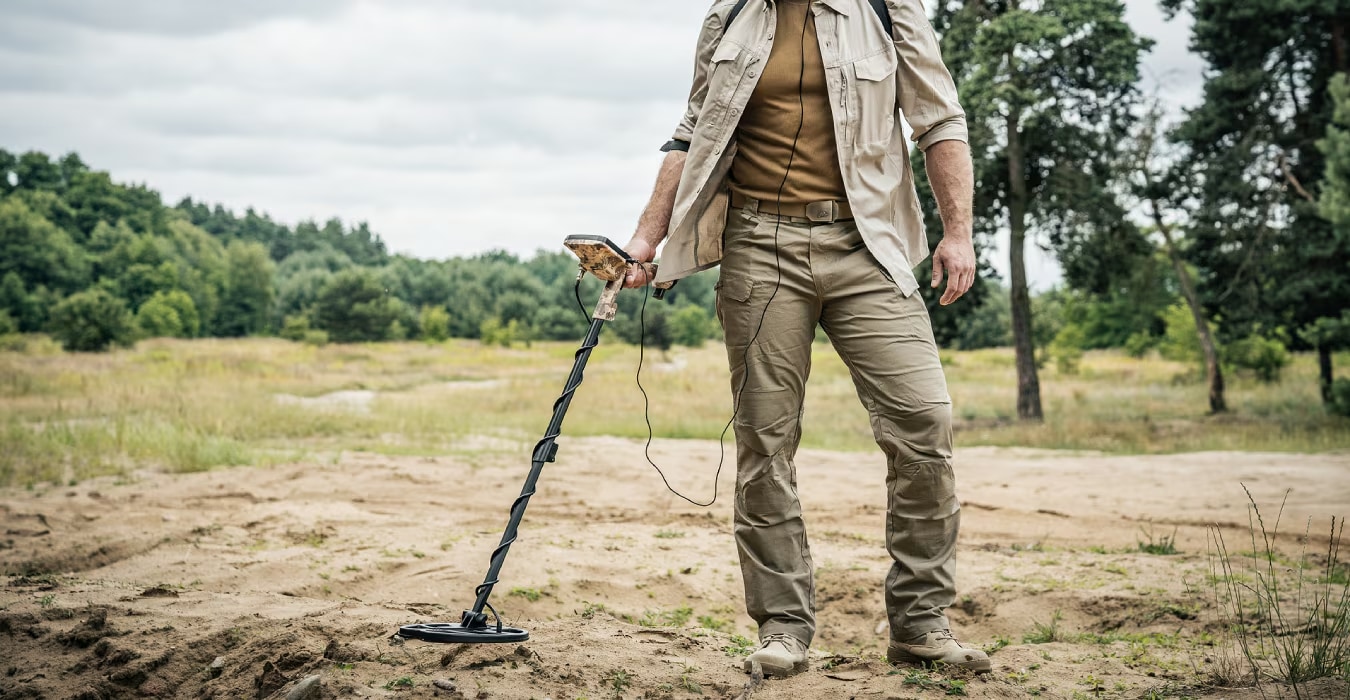
Metal detecting has become even more popular in the UK in recent years. More and more people are eager to explore different areas in search of lost items and hidden treasures.
Our guide is designed for people who are just starting their adventure with metal detectors. We explain how does a metal detector work, suggest which detector to choose at the beginning, talk about what can be found using a detector, and share other practical information — including the legal rules every UK detectorist needs to know.
How Does a Metal Detector Work? - Explanation
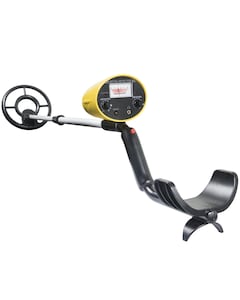
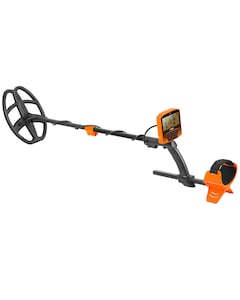
A metal detector is equipped with a search coil of an oval shape, which sends electromagnetic waves deep into the ground. When a metal object is within its range, it generates its own magnetic field that disrupts the waves emitted by the detector. The device registers these disturbances and signals the spot where it is worth starting the search. Usually, the detector indicates the presence of metal with a loud sound, sometimes vibrations or tremors, and in some modern models also information on the display. Other elements of the metal detector include:
- Control panel — used to modify and regulate the operation of the detector.
- Detector shaft — the rod that forms the structural basis of the device. There are now folding shafts that facilitate the transport and storage of the detector.
- Battery — responsible for powering the detector.



Best Metal Detector for Beginners - What to Buy at the Start?
Buying a metal detector without proper preparation is a common mistake among beginner seekers. The wrong choice can lead to frustration and quick discouragement from the hobby. Before buying, it is worth carefully analysing the following features of the detector:
- Simplicity of use — choose a detector with an intuitive and readable menu. Initially, it's better to avoid models that require manual setting of many parameters.
- Application and type of terrain — consider the terrain you will be using the detector in. For example, if you plan to search in water, choose a fully waterproof model.
- Sensitivity and detection depth — a higher frequency (e.g. 80 kHz) works better for detecting small objects close to the surface, while a lower frequency (e.g. 3–8 kHz) is more effective at detecting larger objects at greater depths. It's worth remembering that too high sensitivity can cause the device to work unstably and generate false signals.
- Detector range — determines how deep and over what surface area the detector can detect metal objects. Small objects, such as coins or jewellery, are usually detected at a depth of 10–30 cm, larger objects at 50–70 cm, and really large objects can be detected even up to 1.5–2 m. When choosing a detector, pay attention to its range – this will help you plan your searches more effectively.
- Discrimination function — with it, the detector can distinguish between different types of metals. If you are interested, for example, in gold or silver, you can set the detector to ignore other metals, such as iron or aluminium. This makes your searches more precise and less time-consuming. Check detectors with object discrimination function.
- Weight and ergonomics — the detector should not be too heavy, as you'll often carry it for hours. If possible, check if it is comfortable to hold in your hand and if its height can be adjusted.
- Screen on the control panel — allows you to easily read information about the detected metal, object depth, device settings, or battery level. A bright, readable screen facilitates work, especially in difficult lighting conditions. If the detector screen is not backlit, you can always buy a head torch.
- Dedicated applications — some detectors can be paired with special phone applications that allow you to record and analyse found items.
From Coins to Jewellery – What Else Can Be Found with a Metal Detector?
Metal detectors can detect various objects, from the smallest like coins or buttons to much larger items. With a detector, you can find:
- Coins — both modern and historical.
- Jewellery — rings, bracelets, necklaces, earrings, brooches.
- Artefacts and historical items — medals, buttons, buckles, old craftsmen's decorations.
- Military decorations — medals, badges, military emblems.
- Ammunition and weapons — bullets, cartridges, elements of firearms or swords (caution and notification of the appropriate authorities is required).
- Vehicle parts or whole vehicles — fragments of old cars, bicycles, agricultural machines, and sometimes even entire abandoned vehicles.
Metal Detecting and the Law – Basic Rules
In the United Kingdom, before you start searching with a metal detector, you must have the landowner's permission, both on private and some public land — searching without it is treated as trespass, and removing anything you find without permission can be treated as theft. It is safest to obtain this permission in writing or by e-mail, ideally setting out how any finds or Treasure reward would be shared. Regulations may vary from region to region — some beaches require a permit from the Crown Estate, and in some city parks, searching is completely prohibited. Detecting is also generally banned on Scheduled Monuments, Sites of Special Scientific Interest (SSSIs), and almost all National Trust and Forestry England land, so it's always worth checking a site's status before you go. If in doubt, it is worth contacting your local council or checking the regulations online.
Any find that may qualify as Treasure under The Treasure Act 1996 — broadly, gold or silver objects and certain coin groups over 300 years old — must be reported to your local coroner within 14 days; this is a legal duty, not just good practice, and failing to report is a criminal offence. Many detectorists also follow the National Council for Metal Detecting (NCMD) Code of Conduct, which covers things like filling in holes properly, respecting crops and livestock, and reporting significant finds through the Portable Antiquities Scheme (PAS). "Nighthawking" — detecting on protected sites without permission, often at night — is illegal and has caused real damage to historic sites such as Hadrian's Wall, so always stick to land you have permission to search.
What Are the Types of Metal Detectors? – From Simple to Advanced Models
Detectors can be divided into three main types:
- PI (Pulse Induction) — they send electromagnetic pulses and detect the echo from metals. Good at depth and in difficult terrain (beaches, water), but less precise and do not differentiate metals. They consume a lot of energy.
- BFO (Beat Frequency Oscillator) — older, simple design detecting frequency changes of the generator. Low sensitivity and sensitivity to external conditions.
- VLF (Very Low Frequency) — they work at low frequencies, providing good sensitivity and ground penetration. Usually, they have metal discrimination function and a display indicating the type and properties of metal.
Detectors can also be divided into:
- Classic metal detector — standard detector for land searches. Equipped with an adjustable handle and display.
- Underwater metal detector — waterproof detector designed for working in water (e.g. while diving).
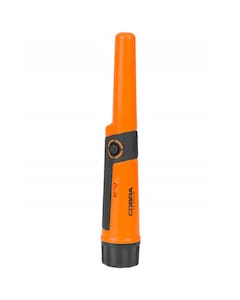
- Handheld detector (pinpointer) — small, handy device for quickly locating a find. Can also be waterproof. Useful in places where a larger detector cannot reach.
Overview of Recommended and Popular Metal Detectors for Beginners
To facilitate choosing your first metal detector, we present three popular models that are particularly suitable for beginner seekers. They are easy to use, durable, and offer the necessary features for learning and first independent searches.
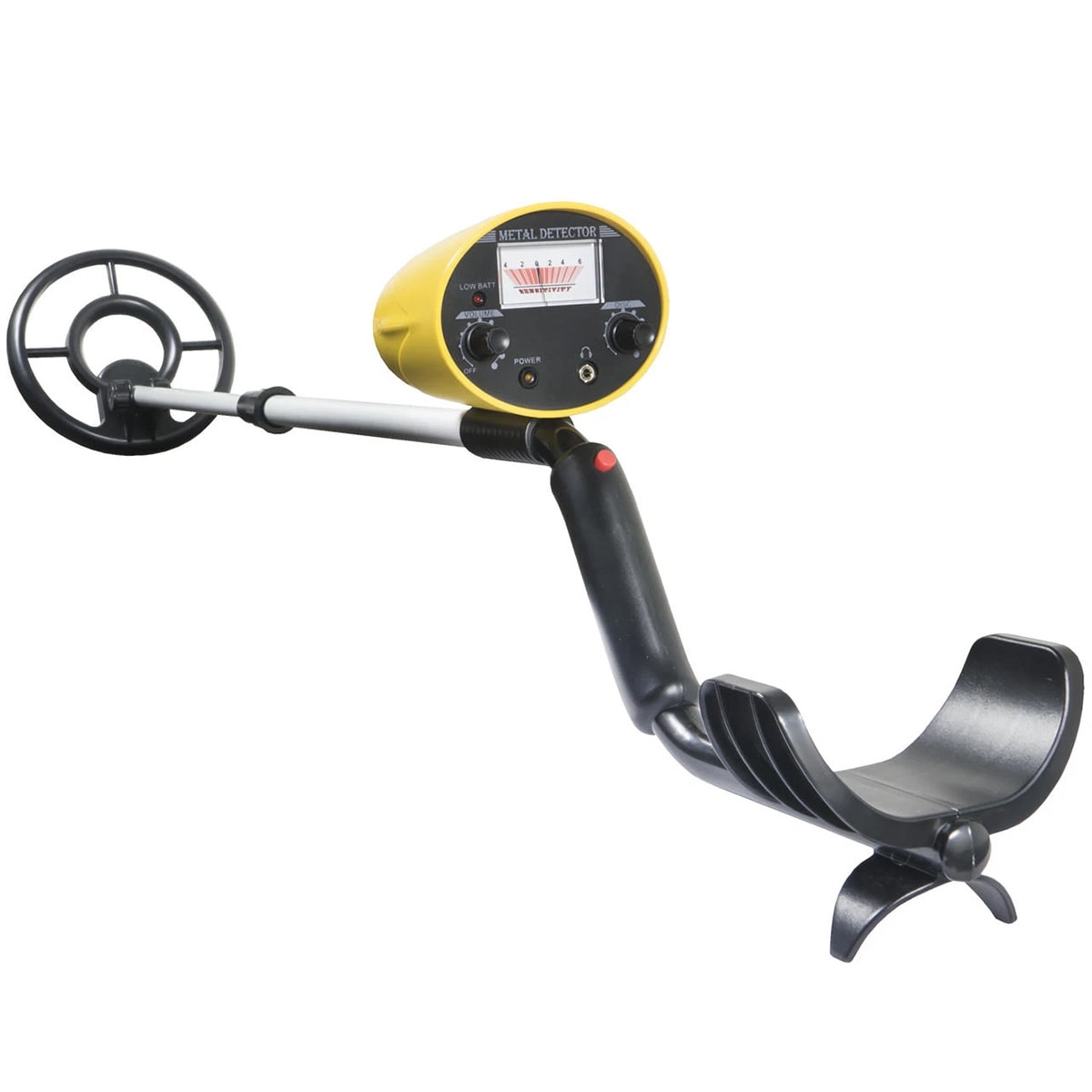
- waterproof 190 mm coil with high precision
- metal discrimination function
- audible signal and analogue display
- adjustable telescopic shaft up to 120 cm
- detection depth: small up to 18 cm, medium up to 60 cm, large over 100 cm
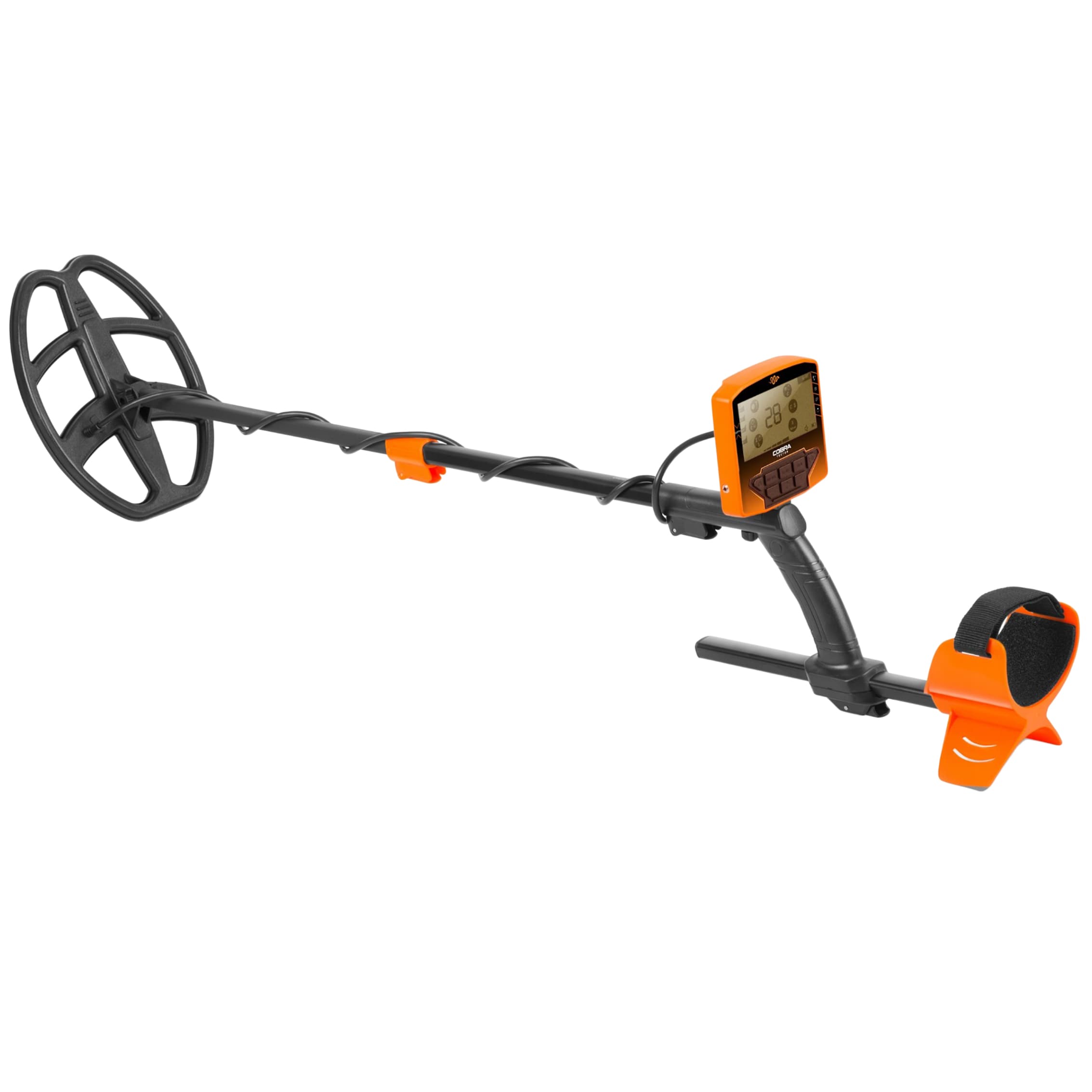
- waterproof 280 mm DD coil, low-frequency operation
- 5 operating modes: All Metal, Disc, Memory, Jewellery, PinPoint
- adjustable sensitivity and audible alerts
- clear LCD display
- telescopic handle with built-in speaker and headphone jack
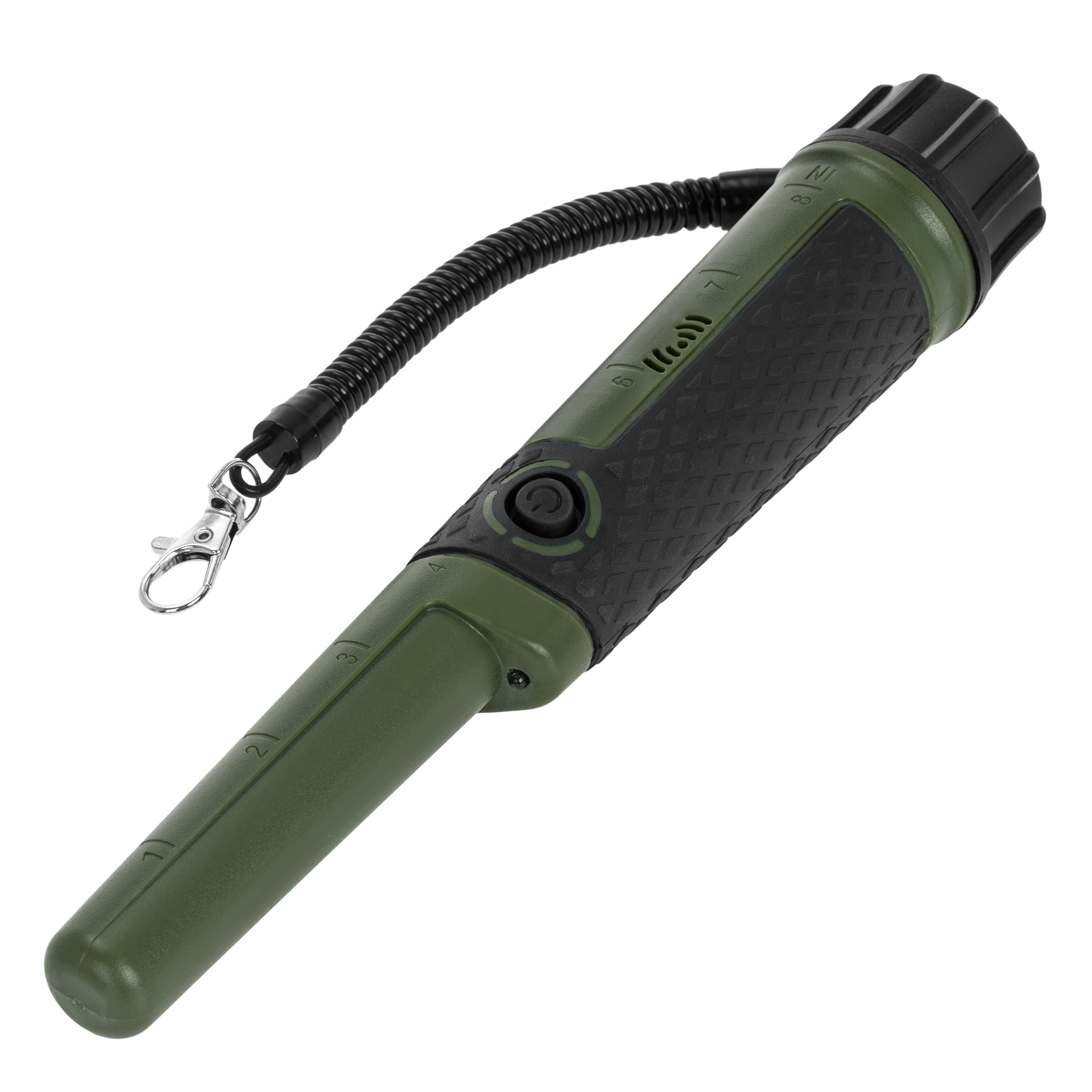
- operates at 11–11.5 kHz frequency
- three selectable alarm modes
- IPX8 waterproof rating
- integrated LED torch for visibility
- battery level indicator; lightweight and portable design
Metal Detectors in the MILITARY Offer
The MILITARY store offers a wide selection of metal detectors, both for beginners and advanced seekers. We offer renowned brands such as Cobra Tector, XP Metal Detectors.
In addition to classic metal detectors, our offer also includes handheld pinpointers that facilitate precise localisation of finds in the ground. It's the perfect addition to the equipment for any detectorist, regardless of experience level.