Coffee is an inseparable part of the morning for many people. It is a great way to start the day, but not only that – we are increasingly eager to drink it in cafes, during work breaks, or while meeting with friends. It is one of the most popular stimulants in the world, which in reasonable amounts supports the functioning of our body and provides an energy boost for the entire day. It is no different in the field when, after many kilometers traveled, you can finally sit by the campfire or during a break in the journey and enjoy the excellent aroma of your favorite drink. An increasing number of tourist food producers offer travel coffee, which you can pack into your backpack for a forest trip. Ground Arabica coffee is one of the most popular coffee varieties in the world and accounts for ninety percent of the entire global crop. It's no wonder that we would like to have its supply with us everywhere we travel.
The coffee plant, from which the black energy drink is made by grinding the grains, originates from Ethiopia, and appeared in Europe around the 16th century, quickly gaining popularity and replacing tea. Its name most likely comes from the Arabic "kahwa," although some sources suggest it derives from the Ethiopian city of Kaffa (today: Kefa). It is cultivated in the Americas, as well as in Oceania and Africa.
In ground Arabica coffee, available in our store, caffeine is the most important component, playing a stimulating role. It stimulates the brain and muscles to action, providing a new energy boost, and increases focus and cognitive efficiency. Its direct impact on our body and mind is felt about an hour after drinking it. Its positive properties are hard to count, but we will mention a few of them. First, it is scientifically proven to improve short-term memory and cognitive abilities. It is a source of antioxidants, reduces the risk of colon and liver cancer, and even decreases the risk of developing type II diabetes by fifty percent. Additionally, it improves circulation, the digestive system, and increases metabolism. That is why it is often chosen by tourists who sometimes need an extra "kick" during demanding hikes.
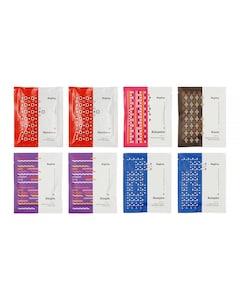
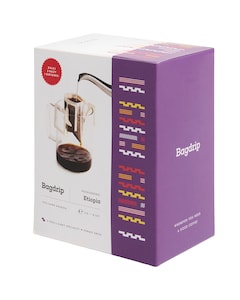
You will find ground Arabica coffee in our store in various capacities and packaging. From specially selected varieties, we offer small, easy-to-pack backpack packages that provide one or several servings of this popular drink. Their additional advantage is being waterproof, so you don’t have to worry about the packaging getting soaked in the rain and dirtying the equipment carried in the backpack or bag. In the field, you often don't have access to electricity or the possibility to bring a kettle, but there are several ways to counteract this. Of course, you can always prepare it at home and take it with you in a thermos. However, we ensure that coffee prepared by hand in the field tastes much better and is a well-deserved reward for all the effort you put into its preparation. If you have coffee beans, you can brew cowboy coffee - just boil water, throw in the coffee beans, then lower the flame and wait for the beans to settle at the bottom of the pot. This type is best prepared with gas burners since it’s hard to control the flame level at a campfire. Some manufacturers have started adding small filters to specially prepared kits, which allow coffee to be brewed without grounds that many of us dislike. A small moka pot could become an interesting piece of equipment, with various models offered by many companies dealing with tourist equipment. One of the common mistakes is pouring boiling water over the coffee – it destroys the coffee's core and aroma. The water you pour into your favorite drink should be 88-94 degrees. So, after boiling the water, just wait a moment until it cools down a bit.
Ground Arabica coffee is a stimulant, so its use and drinking frequency should be moderate. Anything in excess can harm your health. Make sure you have eaten a solid meal and do not drink coffee on an empty stomach. Also, ensure that the water you used for boiling comes from a good source. If you took it from a stream or creek - walk several hundred meters upstream to ensure the water is clean. However, it is safest to use your own water supplies, which you can be sure are safe for consumption.
 Česká republika
  Deutschland
  United Kingdom
  France
  Magyarország
  Polska
  România
  Україна
  Europe