 Česká republika
  Deutschland
  United Kingdom
  Suomi
Suomi  France
  Magyarország
  Italia
  Polska
  România
  Україна
  Europe
How to measure a jacket and choose the right size?
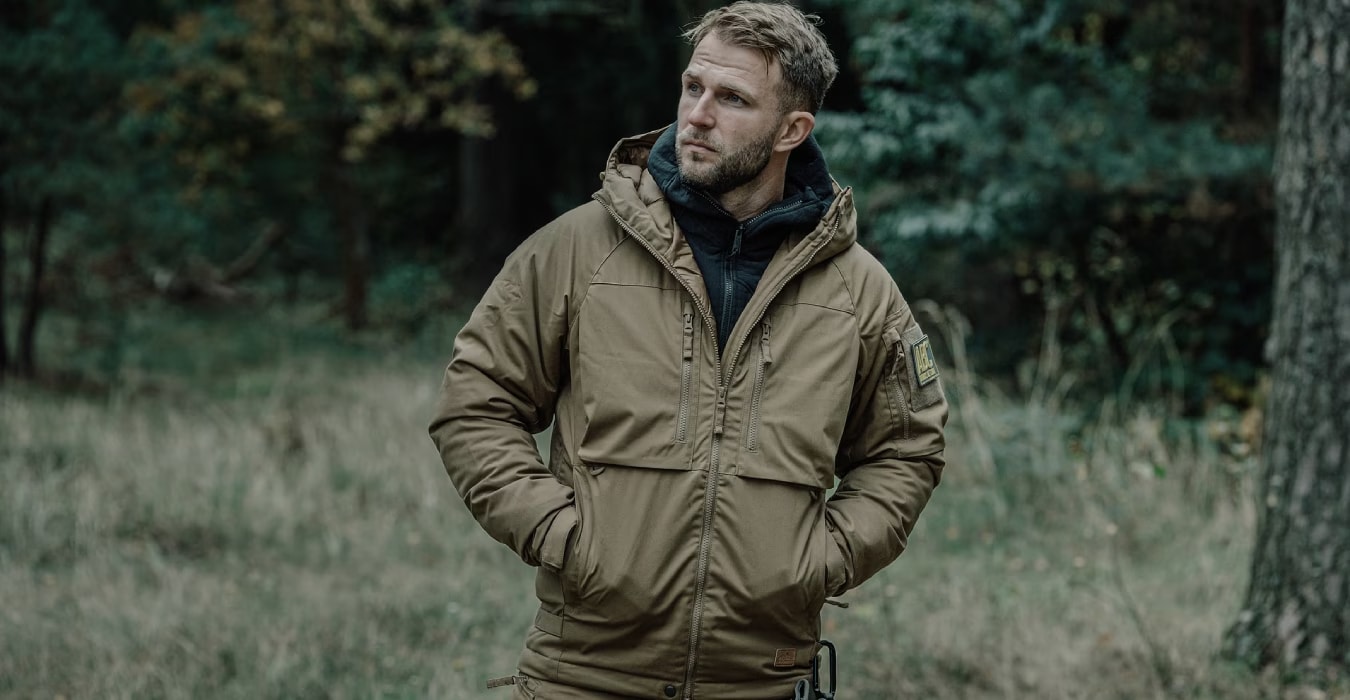
You order a jacket online in size M, which has always fit you, and when the package arrives, you find that you can barely zip it up. The problem isn't with you but with the lack of uniform size standards between brands. What one manufacturer labels as M may correspond to an L for another, and sometimes even an S. Instead of relying solely on the label, it's worth measuring a jacket you already wear and comparing its dimensions with the new model. Our guide will show you how to do it correctly to avoid a mispurchase.
How to choose the right jacket size? - Take appropriate measurements
The best way to choose the correct jacket size is to start by measuring a well-fitted jacket you already have. Even if you usually choose the same size, differences between brands and cuts can make the new jacket either too tight or too loose.
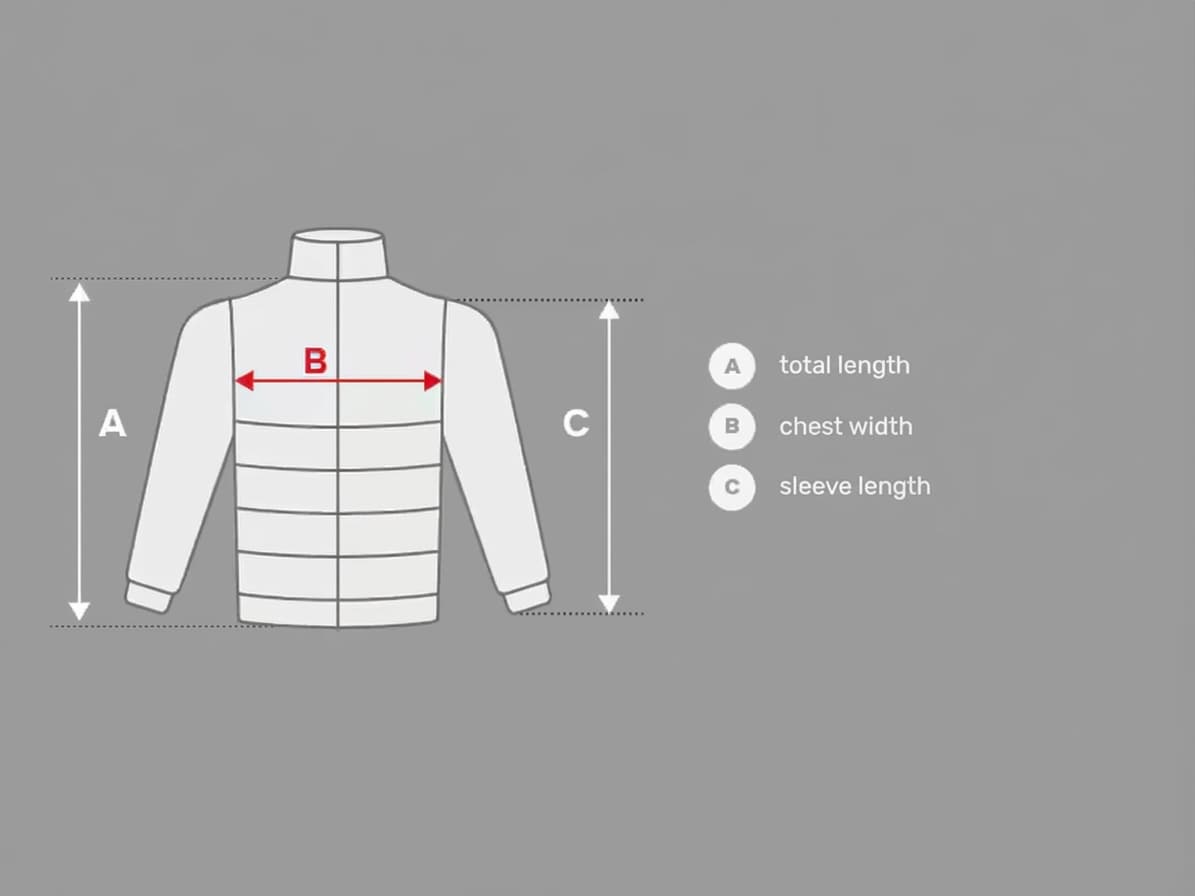
Preparing for measurement: Lay the jacket out on a flat surface, zip it up or button it, and smooth out any wrinkles. Use a tailor's tape measure or a regular measuring tape. Measure step by step and record the following dimensions in a notebook:
- Total length (A) – measure from the highest point of the collar to the bottom edge of the jacket.
- Chest width (B) – measure from one armpit to the other when the jacket is laid flat.
- Sleeve length (C) – measure from shoulder seam to end of cuff.
Now check the dimensions against the manufacturer's size chart. If the result is on the borderline of two sizes, choose the larger one if you want the jacket to be looser or the smaller one if you prefer a more fitted cut.
Jacket size charts - how to read them?
There is no universal jacket size chart, dimensions may vary depending on the manufacturer, and sometimes even between models of the same brand. So always start by checking the size chart of the specific product you wish to purchase.
Example: size chart for Brandit M65 Giant jacket:
| Size | Chest width (cm) | Sleeve length - ext. (cm) | Total length (cm) |
|---|---|---|---|
| S | 58 (57) | 67 (63) | 77 (70) |
| M | 61 (58) | 68 (64) | 78 (71) |
| L | 64 (61) | 69 (65) | 79 (72) |
| XL | 67 (63) | 70 (67) | 80 (73) |
| XXL | 70 (66) | 71 (67) | 83 (74) |
| 3XL | 73 (68) | 71 (68) | 82 (76) |
| 4XL | 76 (69) | 72 (70) | 83 (76) |
| 5XL | 79 (71) | 72 (70) | 84 (77) |
| 6XL | 85 (73) | 72 (70) | 85.5 (78) |
| 7XL | 85 (73) | 72 (70) | 87 (78) |
As you can see, the table is clear and easy to read. The letters (S, M, L, XL, etc.) represent standard sizes, and the numbers in brackets and beside them give the jacket dimensions in centimeters – chest width, sleeve length, and total length. Simply compare them with your measurements to choose the size best suited to your figure. The letter sizes are an international clothing labeling system:
- S (Small) – small.
- M (Medium) – medium.
- L (Large) – large.
- XL (Extra Large) – extra large.
- XXL (Double Extra Large) – the next size after XL, offering more space, especially in the chest, waist, and hips circumferences. Typically XXL is about 2–4 inches (approx. 5–10 cm) larger in circumference than XL (depending on the manufacturer).
- 3XL, 4XL, 5XL, etc. – subsequent sizes after XXL, offering gradually more space in the chest, waist, and hips circumferences, and often also in overall length and sleeves. Each subsequent size signifies further proportional increases in dimensions compared to the previous one, according to the manufacturer's size chart.
How to choose a jacket size according to activity and season?
Choosing the right jacket size shouldn't rely solely on your measurements. It's also important in what conditions and for what activities you will be wearing it. Different situations require different degrees of freedom of movement and space for extra clothing layers.
For example, if the jacket is for survival or other outdoor activities, it should be a bit looser to not restrict movement and allow for comfortable execution of various tasks. On the other hand, a jacket for everyday wear in the city can be more fitted, though if you prefer looser clothes, there's nothing to prevent you from choosing a larger style.
Also, remember that a different jacket will be effective in spring than in winter. A winter jacket needs to accommodate additional layers underneath, such as sweaters, hoodies, or thermal shirts, so it requires a looser cut and slightly larger size. Meanwhile, a spring or fall jacket is usually thinner and can be more fitted since you wear it directly over a T-shirt or thin blouse.
Jackets in the MILITARY store's offer
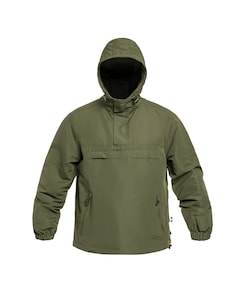
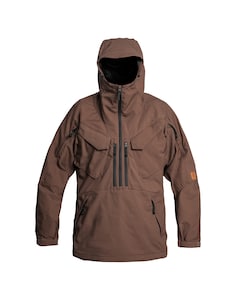
The MILITARY store offers a wide selection of jackets from brands like: Brandit, Mil-Tec, Texar, or Pentagon. We offer models both for everyday wear in the city and more durable ones ideal for field expeditions. Our offered jackets come in various color options – from camouflage to subdued colors. You can choose from models with or without a hood, with winter insulation, for autumn, waterproof, and many others.