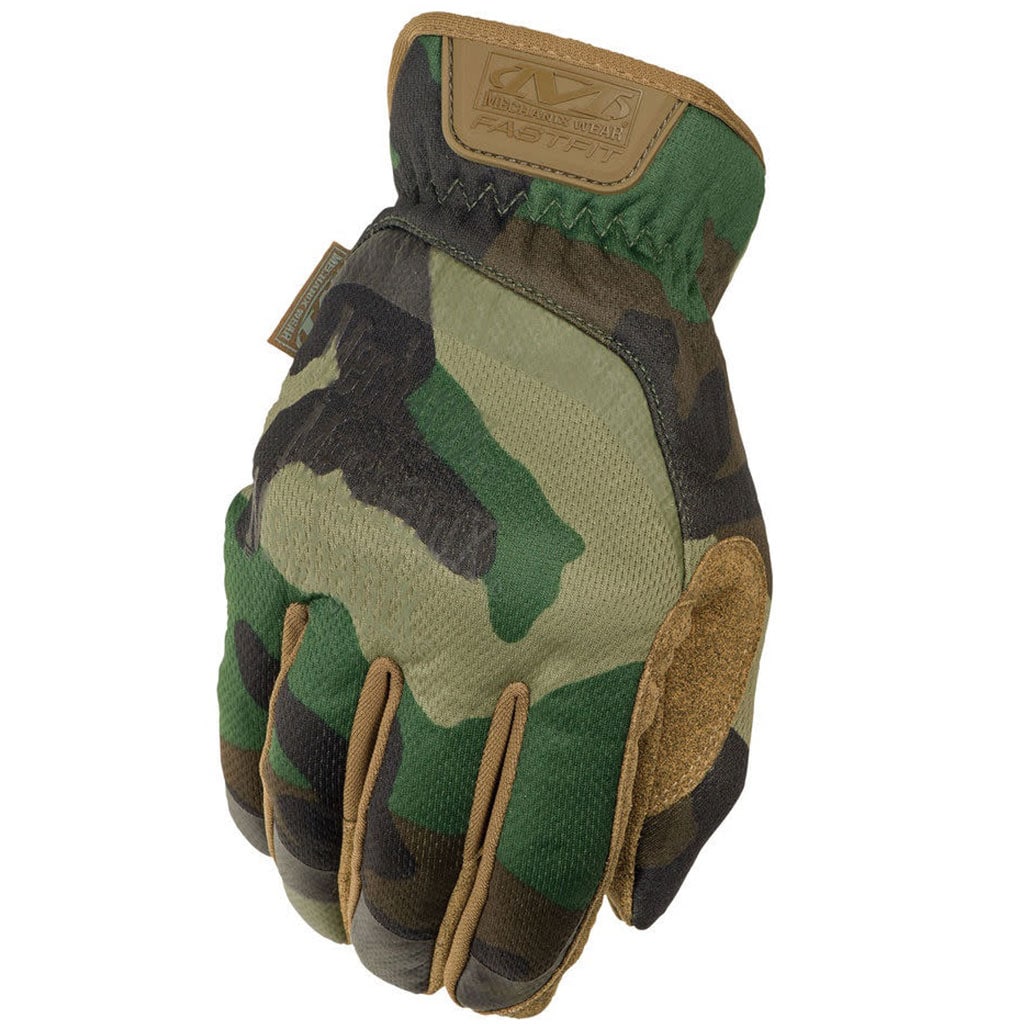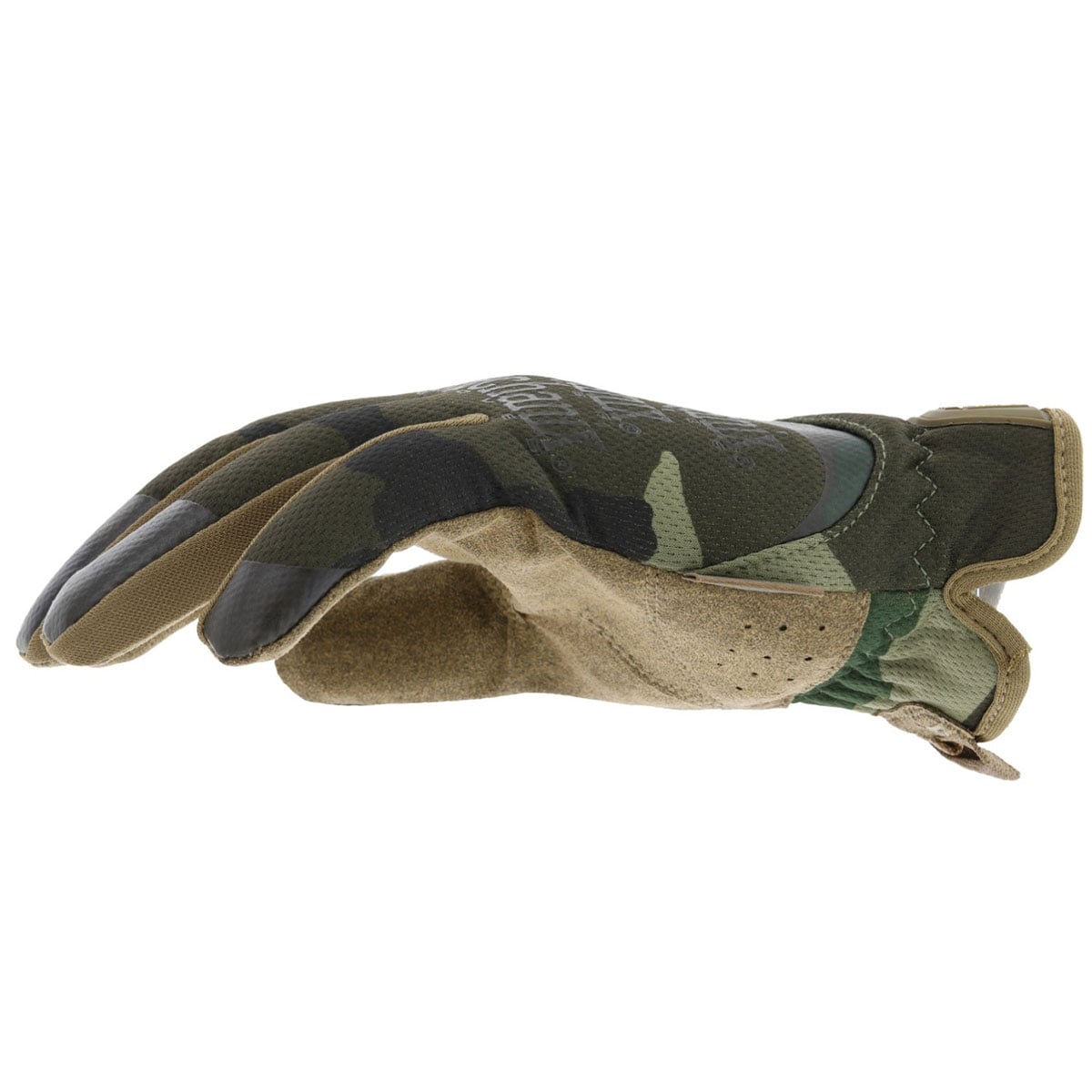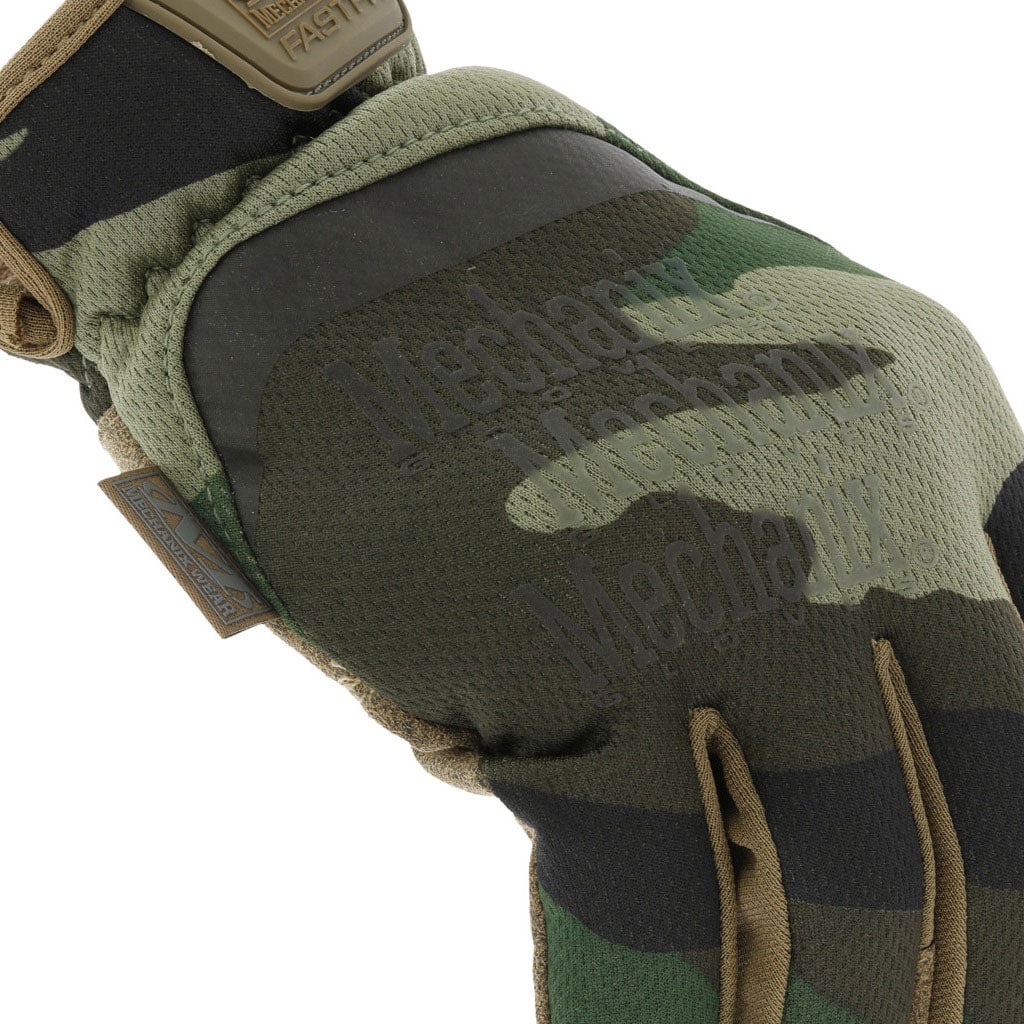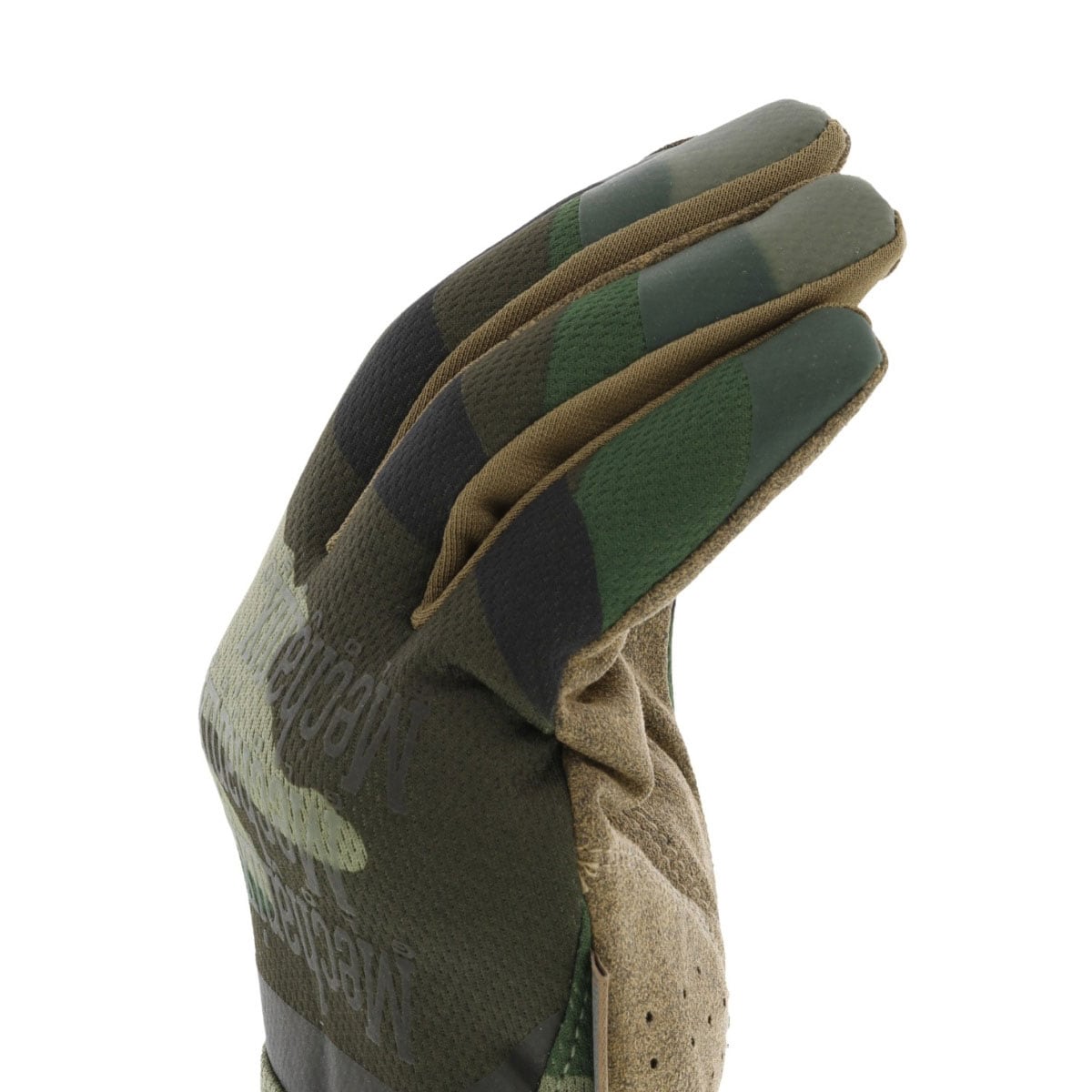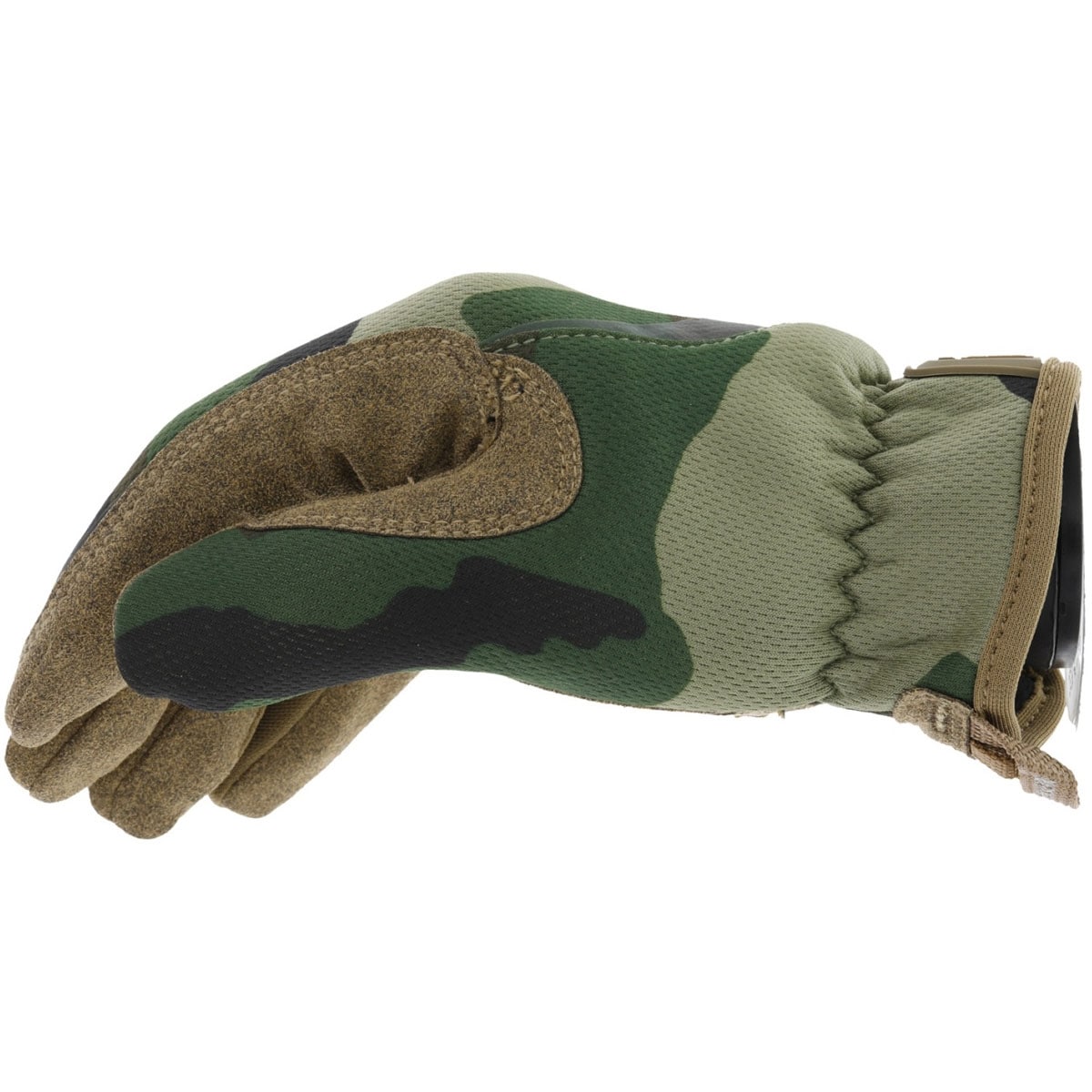
Versatile heavy-duty gloves designed to provide basic mechanical protection. Their optimal fit guarantees full grip control, allowing you to perform precise tasks without restriction. Ideal for uniformed service officers, military personnel, shooting sports enthusiasts, as well as during survival expeditions, auto repair shop work, DIY and ASG games.
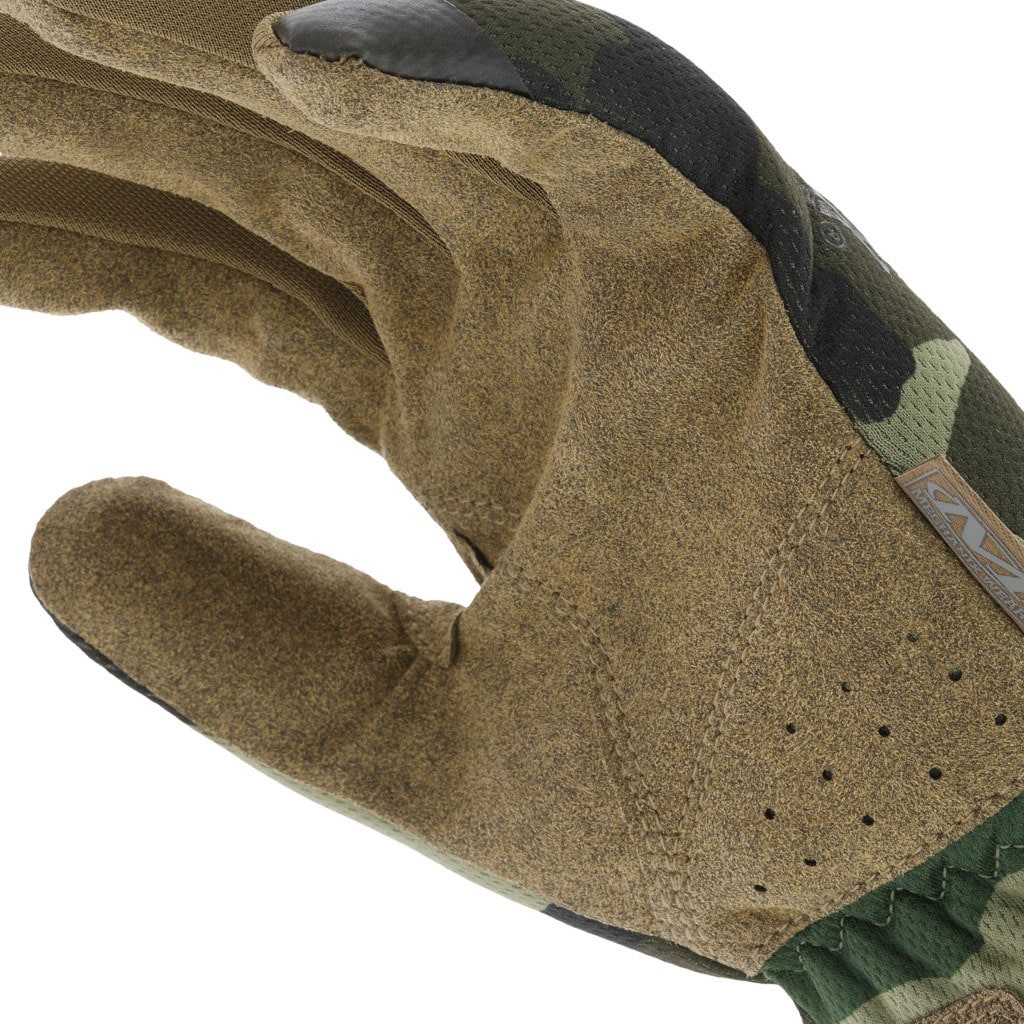
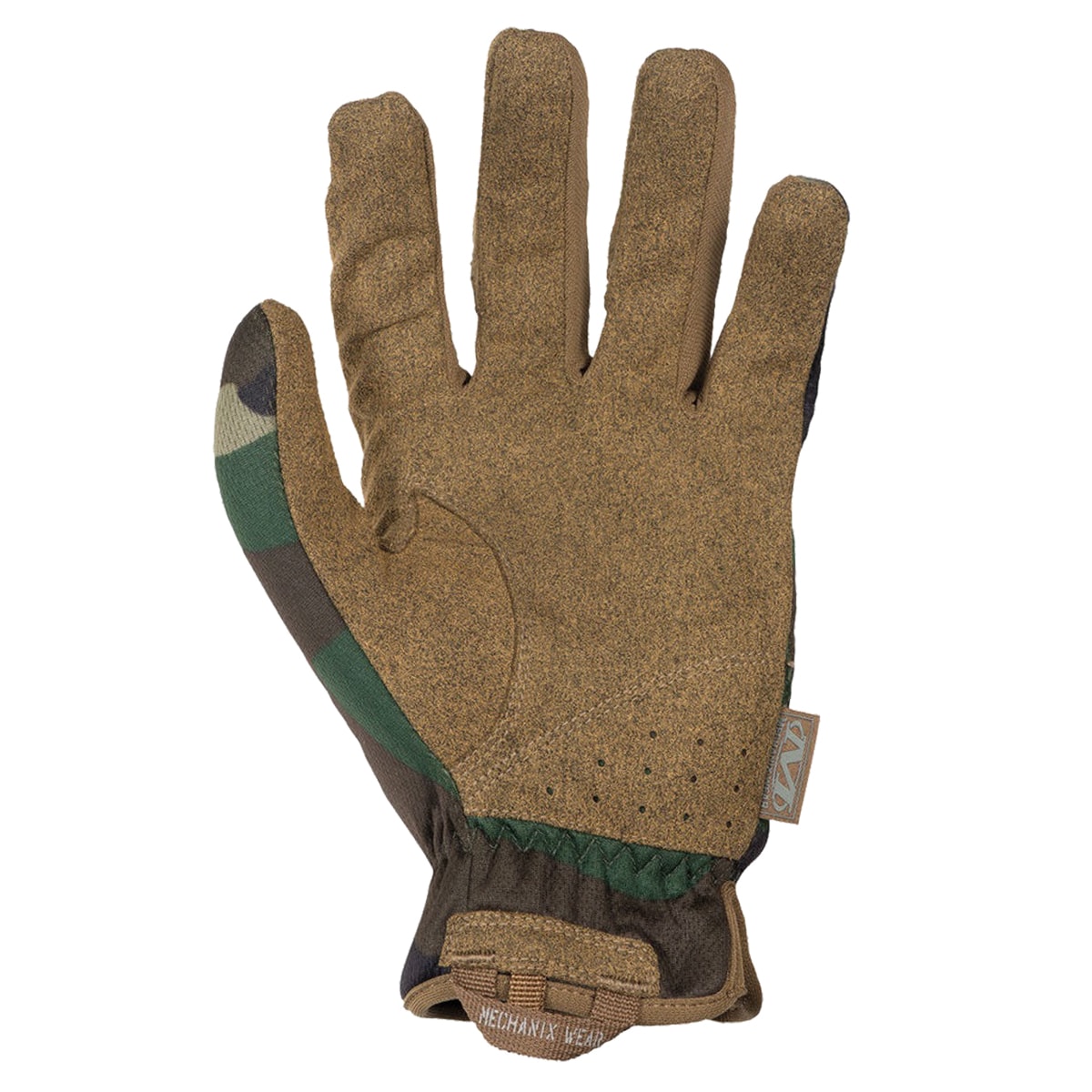
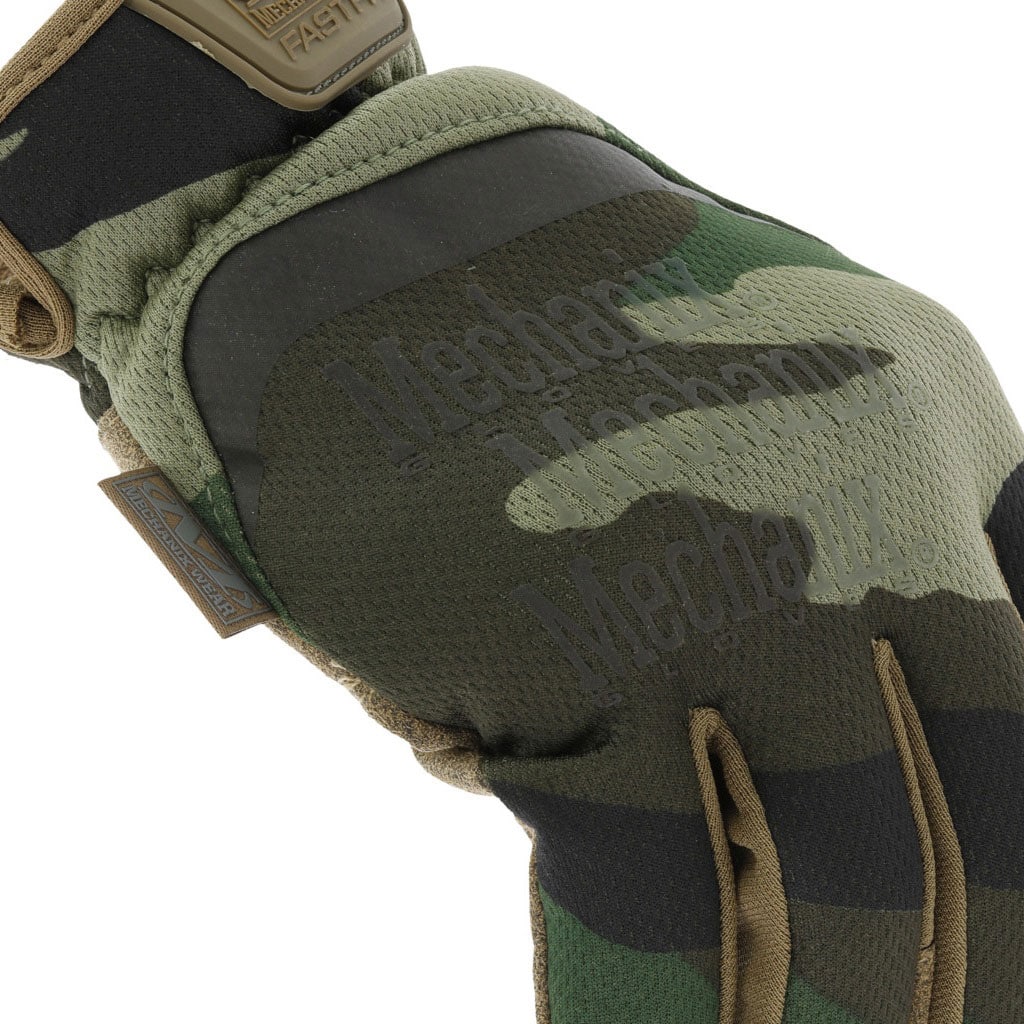
The upper part of the gloves is made of a light, breathable Form-fitting TrekDry material that effectively reduces hand sweating. The grip part is made of durable synthetic leather, ensuring a firm grip and excellent feel, also allowing operation of touch screens without having to take off the gloves. The thumb and index finger are additionally reinforced with a layer of material for greater durability.
A wide cuff equipped with ribbing guarantees additional protection and a stable fit of the glove on the wrist. The generous entrance allows you to put on the glove easily and quickly.
The gloves meet the protective standard EN388-2121X for mechanical resistance, which means:
- 2: abrasion resistance (scale 0-4)
- 1: cut resistance (scale 0-5)
- 2: tear resistance (scale 0-4)
- 1: puncture resistance (scale 0-4)
- X: cut resistance - TDM test (ISO 13997) (scale A-F)
The scales given in the EN388 standard define the level of protection of the gloves: the value 0 means no protection, while the highest values (4, 5) indicate the maximum level of resistance.
In TDM (ISO 13997) testing, letter designations are used, where A indicates the lowest protection, and F the highest.
The designation X informs that the parameter was not tested or is not applicable.
Woodland, also known as U.S. Woodland or M81, is a classic camouflage pattern introduced to the US Armed Forces in the early 1980s, based on the earlier ERDL camouflage. For over two decades, it remained the standard pattern used by the US military until the end of the first decade of the 21st century. It is characterized by large, irregular patches in shades of green, brown, beige, and black, which provide good camouflage and deformation properties, especially in wooded areas. Thanks to its effectiveness and global recognition, it has spawned numerous variations that have found their way into over 60 uniform formations around the world. The pattern has also had a huge impact on popular culture, shifting from military applications to everyday fashion.